
Get all your news in one place.
100’s of premium titles.
One app.
Start reading
Windows Central
Windows Central
Technology
Kevin Okemwa

Google’s fine print may cost your Fourth Amendment rights — Pennsylvania Supreme Court allows authorities to access your search history without a warrant

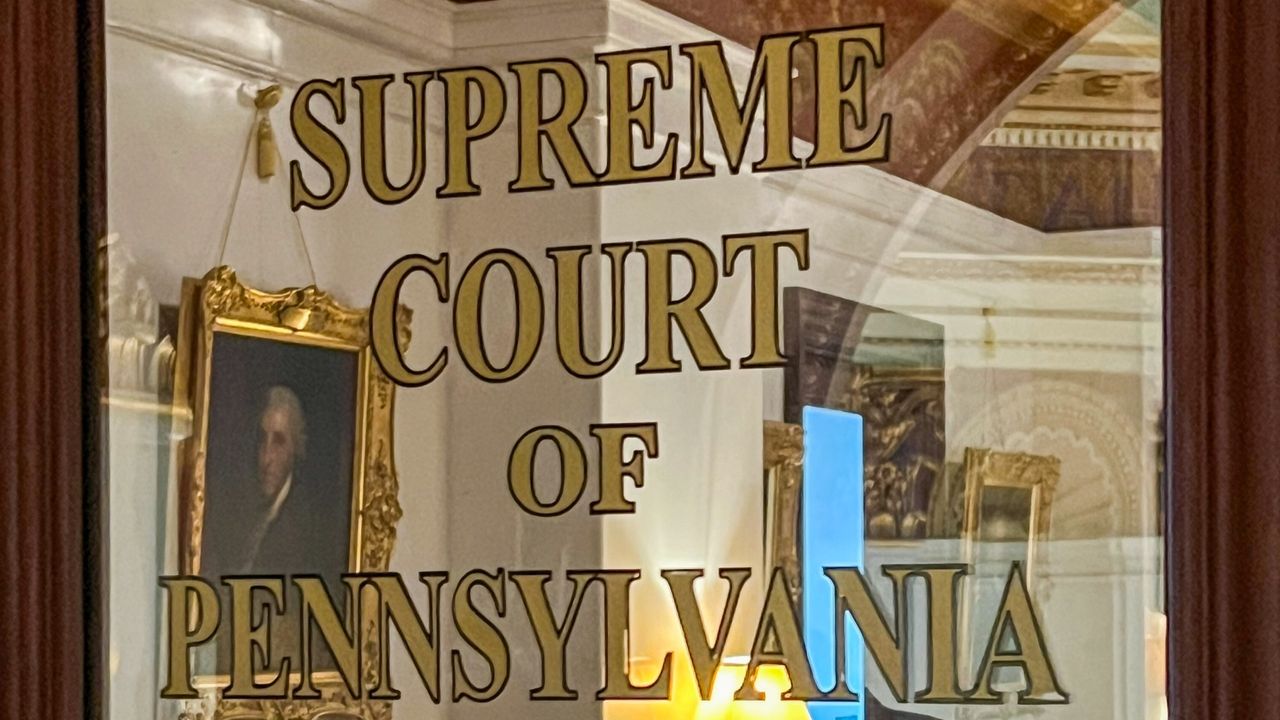
Glass doorway to the Supreme Court of Pennsylvania at the State House in Harrisburg.

Privacy and security are among the most sought-after elements when users are selecting a browser for their day-to-day activities, especially as companies like Perplexity make their debut in the landscape with AI-powered browsers like Comet.

For the longest time, your browsing history has remained exclusive to you, save for speculations that companies like Google and Facebook are tracking your digital footprint and using your search history to serve ads.

The Pennsylvania Supreme Court recently revolutionized the way we view privacy when interacting with web browsers, following its long-awaited ruling in the Commonwealth v. Kurtz case.

For context, the police have been trying to establish who committed a sexual assault of a person with the initials "K.M." The authorities submitted that the person behind the heinous crime might have searched Google for K.M.'s name or address before committing the crime (via Forbes).

As such, the court ruled that the authorities were within their rights to access a potential offender's search history without a warrant. The court argued that everyone using these services knows they are being watched anyway.

According to the court: “It is common knowledge that websites, internet-based applications, and internet service providers collect, and then sell, user data.”

Consequently, the authorities obtained a “reverse keyword search warrant,” which allowed them to ask Google to hand over the I.P. address of any user who googled the name or address of the victim leading up to the commission of the crime. The software giant complied and released the information, highlighting the exact IP address that had been used to conduct two searches for K.M.'s address just a few hours before the attack.

(Image credit: Future)

Interestingly, the IP address was traced back to the residence of the defendant. The authorities didn't suspect Kurtz of the crime, but they had started to watch him closely and even obtained a DNA sample that was traced back to the crime scene.

While the loophole buried in legal fine print might have been used to bring a criminal to book and conclude the case, it still raises critical privacy concerns. But the justices argued that Google's privacy policy sort of constitutes a consent form:

In the case before us, Google went beyond subtle indicators. Google expressly informed its users that one should not expect any privacy when using its services.

This formed the foundation and basis of the court's argument that users had already signed away their Fourth Amendment rights by agreeing to comply with Google's privacy policies.

What's more, the court argued that users could avoid creating data trails by choosing not to interact with the internet entirely. "The data trail created by using the internet is not involuntary in the same way that the trail created by carrying a cell phone is," the justices concluded.

Did you think the court is right about waiving your privacy and Fourth Amendment protections by agreeing to Google's privacy policy? Let me know in the comments and vote in the poll!

Follow Windows Central on Google News to keep our latest news, insights, and features at the top of your feeds!

Sign up to read this article
Read news from 100’s of titles, curated specifically for you.
Already a member? Sign in here
Related Stories
Top stories on inkl right now
One subscription that gives you access to news from hundreds of sites
Already a member? Sign in here
Our Picks
Fourteen days free
Download the app
One app. One membership.
100+ trusted global sources.