
What you need to know
- Google just made Xreal its lead hardware partner, signaling a long-term, all-in push for the Android XR ecosystem.
- The partnership goes deep, with both companies co-designing hardware and software so Android XR apps behave naturally in real-world space.
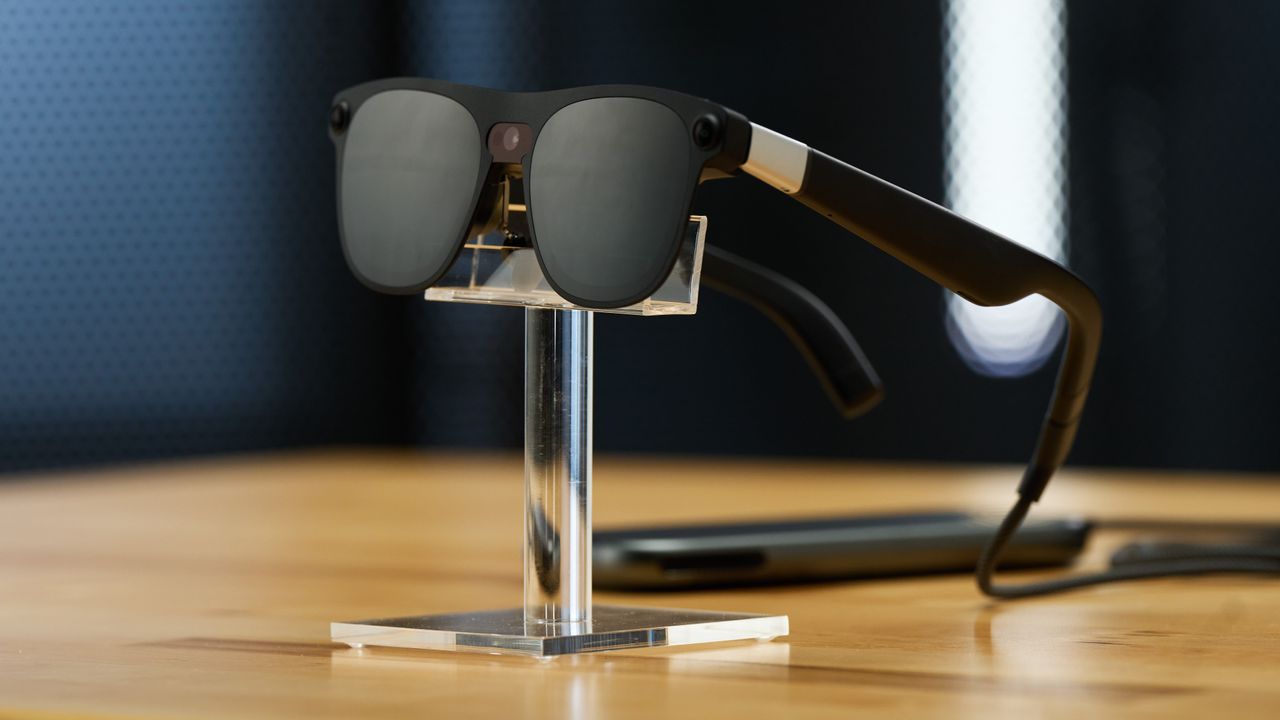
- The first real product is Project Aura, arriving in 2026 with a wide 70-degree field of view and a tethered design to keep the glasses light.

Google and Xreal have taken their close relationship to the next level with a multi-year partnership. Xreal is now the main hardware partner for Google’s new Android XR ecosystem.
Google’s XR journey has had its ups and downs, starting with the promise and later retreat of Google Glass, followed by years of quiet work as others moved ahead. Things shifted late last year when Google launched Android XR, a new operating system for devices ranging from mixed-reality headsets to lightweight AR glasses.
The first products focused on bigger devices, like Samsung’s Galaxy XR headset, but Google has made it clear that glasses, not large headsets, are the real goal.
Google's AR focus is on glasses
This is where Xreal fits in. The company is known for making AR glasses that are ready for everyday use, not just prototypes. With this expanded partnership, Xreal becomes Google’s main hardware partner for "optical see-through devices."
Google and Xreal will now co-develop hardware roadmaps, align software features with physical design, and ensure Android XR apps work as people expect when projected into real space.
The first tangible result of that collaboration is Project Aura, a new pair of Android XR glasses slated to arrive in 2026. These aren’t just prototypes. They’re built to give a wide field of view, about 70 degrees, while staying connected to an external computer. This keeps the glasses themselves light.
Android XR includes familiar Android development tools, supports OpenXR, and is closely integrated with Gemini AI. Google believes this is key to hands-free, context-aware computing.
It’s still early days for Android XR. The platform is new, developer tools are still improving, and useful apps will take time to arrive. Still, the direction is clear, with Google setting the stage for XR devices people will actually want to wear.