
Get all your news in one place.
100’s of premium titles.
One app.
Start reading
Android Central
Android Central
Technology
Jay Bonggolto

Google flags new wave of online scams fueled by AI fakes and holiday hustles

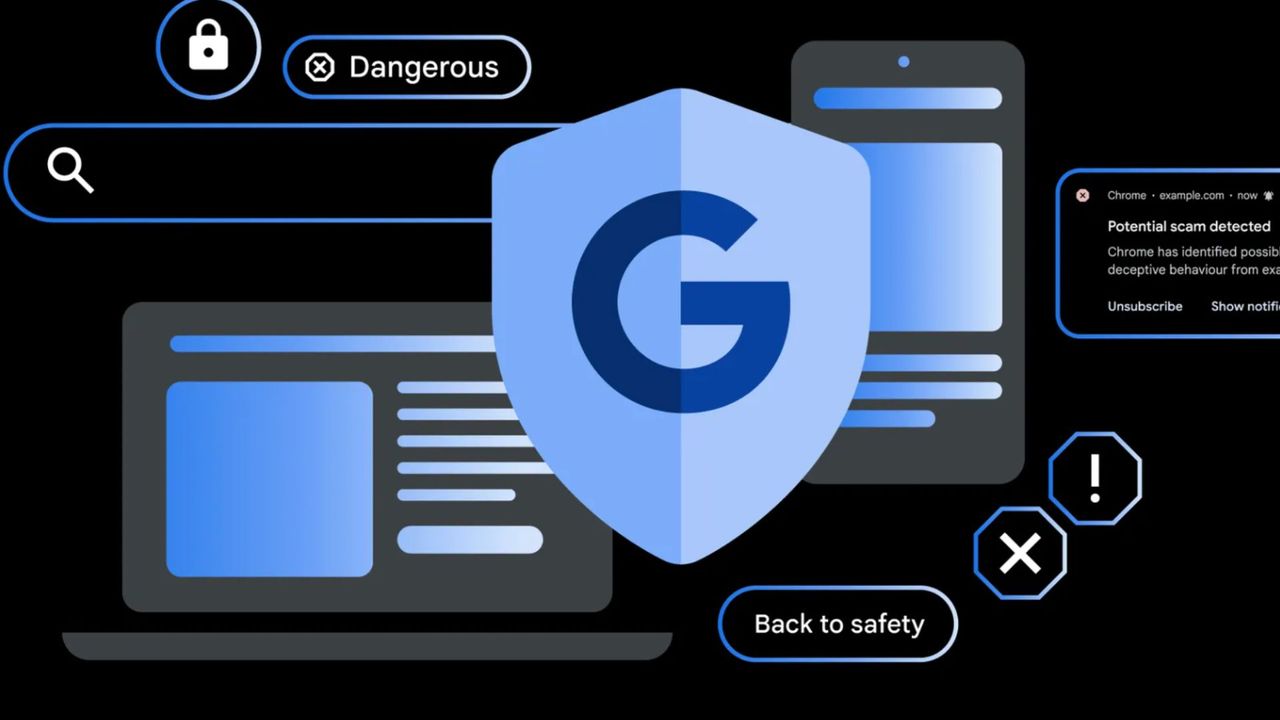
Google Chrome, Search and Android are Gemini to defend users against scams.

What you need to know

  • Google's latest advisory warns that fraudsters are using generative tools to make fake job posts, apps, and sites look frighteningly real.
  • Scammers clone company pages and create fake recruiter profiles to steal personal info or charge bogus “fees.”
  • Attackers spam fake one-star reviews, then demand money to make them disappear. Google now lets merchants report these directly.

Enjoy our content? Make sure to set Android Central as a preferred source in Google Search, and find out why you should so that you can stay up-to-date on the latest news, reviews, features, and more.

As people get ready for holiday sales and end-of-year job searches, a new wave of online fraud is targeting them. A recent Google advisory explains how these criminals are working right now.

According to the advisory, scammers are upgrading their playbook using AI tools to make their tricks look painfully real. From fake job listings to malicious VPN apps, the scams are multiplying fast and preying on anyone who lets their guard down online.

Google highlights fake job offers as a major trend. Scammers pretend to be big companies by copying their career pages, posing as recruiters, and posting fake government jobs. Google says they often ask for “processing fees” or get people to download fake interview software that steals information. Remember, real employers never ask for money or banking details before hiring.

Business owners aren’t off the hook either. A newer scam making waves involves “review extortion,” where attackers flood a business with one-star reviews and then demand money to remove them.

Google provides a direct way for merchants to report these extortion attempts straight from their profiles.

AI impersonation scams are on the rise

Then there’s the booming category of AI impersonation scams. Fraudsters are faking websites and apps pretending to be “exclusive” or “free” versions of popular AI tools. The endgame is always the same — install malware, steal credentials, or push overpriced “fleeceware” subscriptions.

Google says its AI-powered Safe Browsing and Play Store policies are catching many of these, but users should still double-check URLs and only download from official sources.

Other warnings include malicious VPN apps disguised as privacy tools but actually loaded with malware, fraud recovery scams targeting people who’ve already been scammed, and holiday shopping scams that ramp up during Black Friday and Cyber Monday with fake storefronts and “too-good-to-be-true” deals.

Google’s Trust & Safety team says scammers are becoming quicker, smarter, and more widespread, but defenses are improving too. With real-time scam detection in Google Messages and Gmail, plus better AI-based browser protections, the company hopes these tools can protect users before they get hurt.

Sign up to read this article
Read news from 100’s of titles, curated specifically for you.
Already a member? Sign in here
Related Stories
Top stories on inkl right now
One subscription that gives you access to news from hundreds of sites
Already a member? Sign in here
Our Picks
Fourteen days free
Download the app
One app. One membership.
100+ trusted global sources.