Good news can feel scarce because progress rarely arrives with the drama of a crisis. It often appears as a better process, a cheaper tool or a local idea that quietly reaches more people. None of that erases war, inequality or environmental risk. It does show that difficult problems are not frozen in place.
Innovation also grows through unexpected links between sectors. The same digital habits that help people learn, bank or enjoy lukki casino games NZ can support remote health services and public information. Technology is only one part of the answer, but thoughtful design can help a good idea travel farther.
Cleaner energy reaches more communities
Solar and wind power continue to expand, supported by lower technology costs, storage improvements and stronger electricity networks. In places far from a stable grid, small solar systems can power lights, refrigeration and communications without waiting for a large central project.
The benefits extend beyond carbon. Cleaner household and community energy can reduce harmful air pollution, while reliable electricity supports schools, clinics and small businesses. Projects work best when local technicians can maintain them and communities share in the economic value.
Health innovation becomes more practical
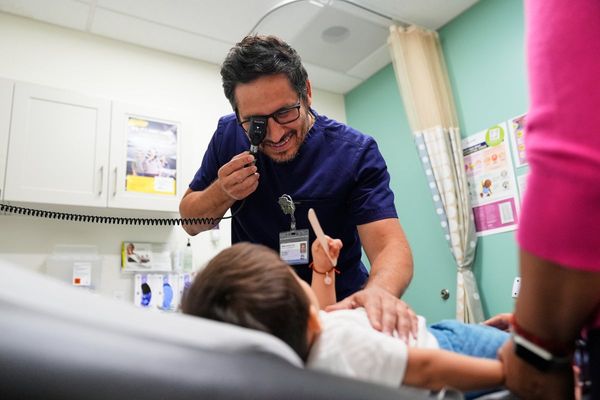
Some of the most important medical advances improve delivery rather than inventing a new miracle treatment. Portable diagnostics, simpler vaccine storage, telehealth and better disease surveillance help existing knowledge reach people sooner. Digital systems can warn health teams about outbreaks, but trust and trained workers remain essential.
The World Health Organization notes that global maternal mortality has fallen by more than 40% since 2000 and deaths among children under five by over 50%. Its World Health Day 2026 overview connects those gains with scientific progress and international cooperation. Progress is uneven, yet the direction proves sustained action matters.
Food systems waste less
Farmers and food businesses now use weather forecasts, soil data and targeted irrigation to reduce water and fertiliser use. Mobile services can share market prices or pest warnings with growers who once received that information too late.
Cities are also testing food-rescue networks that connect surplus from shops and restaurants with charities. Composting and anaerobic digestion keep some unavoidable waste out of landfill. The glamorous future of food may involve fewer bins, which is not a bad plot twist.
Nature returns to urban planning
Tree planting, restored wetlands and greener roofs help manage heat and rain while creating habitat. These projects can improve neighbourhood health when cities place them where heat exposure and poor air quality are greatest, rather than only where a glossy photograph looks good.
Nature-based solutions still need care. Trees require water and maintenance, wetlands need space, and residents should help shape changes to shared areas. Planting day is the beginning, not the victory lap.
Accessibility drives better design
Captioning, screen-reader support, step-free routes and flexible interfaces often begin as accessibility measures, then help a much wider audience. Clear captions work in noisy spaces. Kerb cuts support wheelchairs, prams and luggage. Plain language helps almost everyone understand public information.
The common thread across these innovations is not technology alone. It is attention to the real barrier, followed by patient testing and delivery. Positive change becomes credible when people can see who benefits and how results are measured.
Good news should never ask us to ignore what remains broken. It should show where effort works, which ideas deserve support and how success can spread. Hope is most useful when it comes with instructions.