
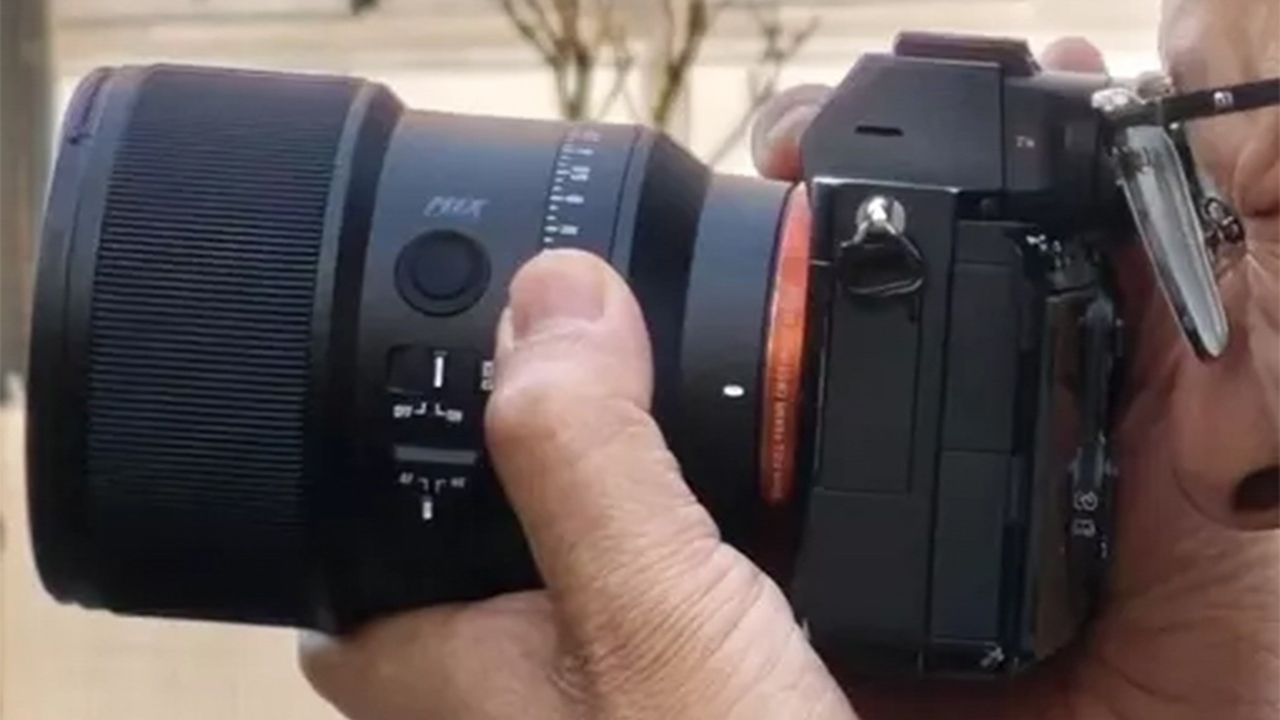
The first images of the Meike AF 85mm f/1.4 II l Mix, a previously-rumored lens, have surfaced. Meike’s new Mix lens will be designed for Sony E-Mount, Nikon Z-Mount and L-Mount cameras and succeed the AF 85mm f/1.4 Mix.
The original lens represented a breakthrough for Chinese optics, as it was the first ever 85mm f/1.4 autofocus lens from a Chinese manufacturer – demonstrating just how far lens development in the country has come, with ultra-fast AF portrait glass now both possible and highly affordable.

The Mix series consists of premium, fast-aperture, full-frame autofocus prime lenses designed to compete with other third-party alternatives such as the Sigma 85mm f/1.4 DG DN Art and Viltrox AF 85mm f/1.4 Pro.

The original Meike 85mm f/1.4 Mix lens produced creamy backgrounds, boasted respectable sharpness (especially in the f/2.8-f/4 range) and had rugged build quality, which judging from the photos the mark II also possesses.
However, fans will no doubt be hoping for a reduced minimum focusing distance (which was 1m in the original lens) more in line with that of the Viltrox AF 85mm f/1.4 Pro (0.79m) along with improved autofocus speeds.
The Meike AF 85mm f/1.4 II Mix lens is reportedly set to debut at the CP+ 2026 show in Japan next week, where its full specs will be revealed.

Also set to appear at the CP+ show is the Meike Air APS-C prime series. Rumors have been swirling about this set of primes and, early in February, images of the Meike Air lenses appeared online.
The Air series will feature a 15mm, 35mm and 56mm f/1.7 prime lens for Sony E-Mount, Fujifilm-X Mount and Nikon Z-Mount APS-C systems.
While it’s great to see APS-C cameras getting the prime lens love they deserve, I don’t expect the Meike Air series to bring anything groundbreaking.
Considering that Viltrox only released its own series of Air-branded APS-C lenses last year, and that Meike’s namesake series is rumored to feature the exact same specs, if anything Meike is just trying to keep up.
You might also like…
Discover our take on the best cheap lenses in 2026, which includes a few nifty primes, and the best lenses for portraits.