Australian shares logged their worst weekly performance in nearly a month on Friday, as escalating tensions between the U.S. and Iran dampened hopes for an imminent peace deal.
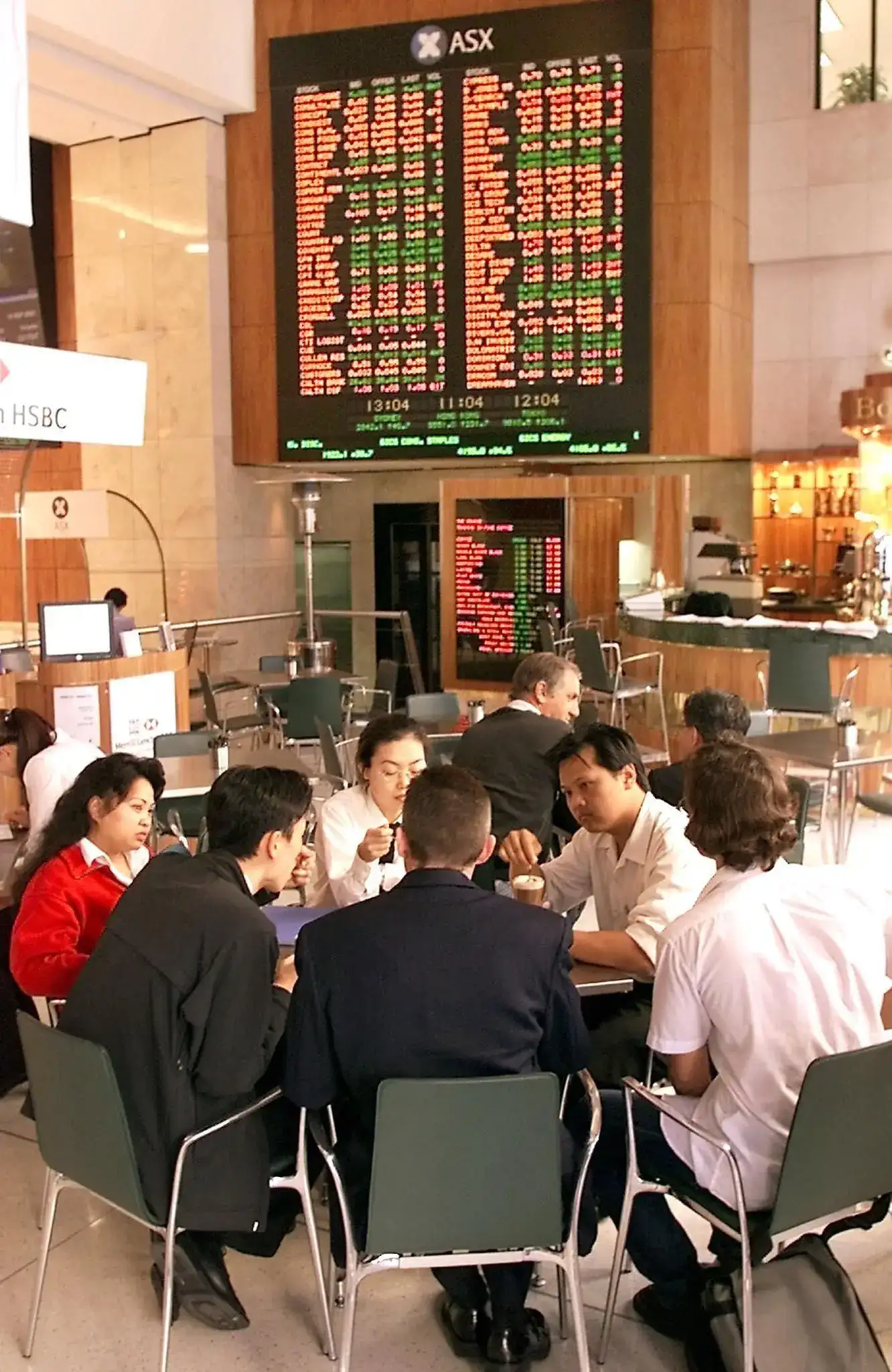
The S&P/ASX 200 index ended down 0.7% at 8,625.10, its lowest since May 28.
The benchmark has declined 1.2% for the week, its biggest slide since May 11, capping a week of conflicting headlines from the Middle East that left traders on edge.
The Iran-backed Hezbollah militia rejected a new ceasefire in Lebanon while Israel said it would not withdraw troops from the country, undermining U.S. President Donald Trump's efforts to halt fighting and forge peace with Tehran.
Australian investor sentiment is uneasy heading into the weekend, with traders booking profits and reconsidering risks from high oil prices and geopolitical tensions, KCM Trade chief market analyst Tim Waterer said.
Oil prices were little changed on Friday, but were set for weekly gains amid concerns of a prolonged energy shock.
"The 9,000 (level) would be a stretch on the ASX200, which would equate to a 4.3% increase from current levels. The banks would most likely have to drive such a move, which is unlikely given the weak economic backdrop," said Craig Sidney, senior investment adviser at Shaw and Partners.
Financials lost 0.9% and logged their second week in the red. Top lender Commonwealth Bank of Australia shed 1.7% on Friday.
The resources sub-index declined 2.5%, tracking weak iron ore and copper prices. BHP and Rio Tinto slipped 2.5% and 1.9%, respectively.
The sector marked its steepest weekly drop since April 20.
Among gold miners, Northern Star Resources and Evolution Mining fell 2.5% and 3.1%, respectively.
Healthcare stocks and the consumer staples were among the outliers on the benchmark, finishing up 3.5% and 1.1%, respectively.
New Zealand's S&P/NZX 50 index ended up 0.5% at 13,161.97. The benchmark, however, posted a 0.6% loss for the holiday-truncated week, following two straight weekly gains.