A number of well-known consumer and industrial groups — including Costco, Revlon, Kawasaki Motors, and Bumble Bee Foods — are mounting a wave of legal challenges to Donald Trump’s sweeping “Liberation Day” tariffs. The goal is to seek refunds for the duties they have paid so far and prevent further costs.
Court records from the US Court of International Trade show that more than 70 companies have now filed lawsuits asking judges to declare the tariffs unlawful, order refunds, and block the administration from levying the duties in the future.
Many of the filings have been lodged in recent weeks, as the US Supreme Court deliberates on whether Trump had the authority to impose the measures under the International Emergency Economic Powers Act (IEEPA).
The IEEPA is a 1977 US law that lets the president declare a national emergency over an external threat and then use broad economic tools — like sanctions and asset freezes — against foreign countries, entities, or individuals.
The companies filing the lawsuits believe the IEEPA is designed for targeted sanctions in emergencies, not classic, across-the-board tariffs on imports.
These recent filings mark a shift in the corporate response to the tariff regime, with earlier cases being brought mainly by smaller importers. The stakes have significantly shifted now that major multinationals with global supply chains are joining in, arguing that the duties have distorted trade flows and driven up costs across multiple markets.
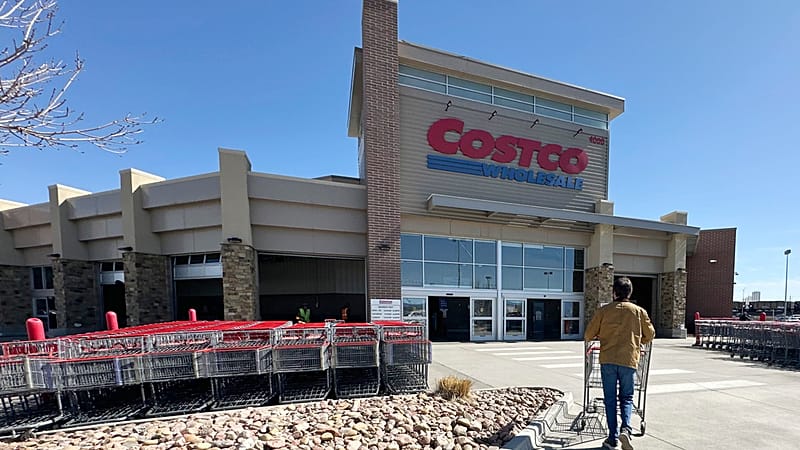
Costco, the US-based warehouse retailer with operations in Asia and Europe, sued the administration in November, demanding a full refund of tariffs it has paid and an injunction against future collections.
It argued that the IEEPA does not clearly authorise the White House to set customs duties and that the tariffs, imposed via emergency powers, should therefore be struck down.
Revlon, the cosmetics group with production and distribution hubs in North America, Europe and Asia, is also seeking reimbursement and a ruling that Trump’s use of IEEPA is unlawful.
In its filing, the company warned that some of the entries on which it has paid duties could be finalised or liquidated as early as mid-December, which would sharply limit its ability to seek refunds later.
Multinational manufacturers in the automotive and industrial sectors are heavily represented among the plaintiffs.
Court filings show that subsidiaries of Japan’s Toyota Group are suing US Customs and Border Protection over higher levies on car parts and metals, while Kawasaki Motors and a cluster of auto suppliers argue that the tariffs on vehicles, steel, and aluminium have significantly increased their costs.
Aluminium producer Alcoa, packaging group Berlin Packaging, fitness equipment maker iFit and plumbing supplier Ferguson Enterprises have also joined the fray.
Food companies with far-flung sourcing networks say they have been hit particularly hard. Bumble Bee Foods, which buys seafood from Brazil, Ecuador, Panama, Mexico, Indonesia, China and India for its global brands, contends that its import costs increased when the tariffs took effect.
The Supreme Court has already heard arguments on the core legal question, namely whether a president can rely on IEEPA to levy broad, country-wide tariffs.
Three lower courts have already ruled against the Trump administration. Several Supreme Court justices also signalled scepticism about the administration’s position during the hearing, but raised concerns about the complexity of any refund process if the duties are overturned, warning that unwinding years of collections could be disruptive.
Costco’s case has drawn additional attention after the retailer recently nominated Gina Raimondo, who served as commerce secretary under President Joe Biden, to its board of directors.
Raimondo’s appointment will be put to a shareholder vote in January, while the Supreme Court’s ruling on the legality of Trump’s tariff strategy is due no later than the end of its term in June 2026.