The Netflix series Adolescence has sparked important conversations about the role of social media in spreading harmful content. It has widened the public’s understanding of the rampant uptake of digitally disseminated misogyny, the legacies of Andrew Tate and those like him, and the violence perpetuated by the manosphere. Prime Minister Keir Starmer has even supported a plan to show the series to young people in schools.
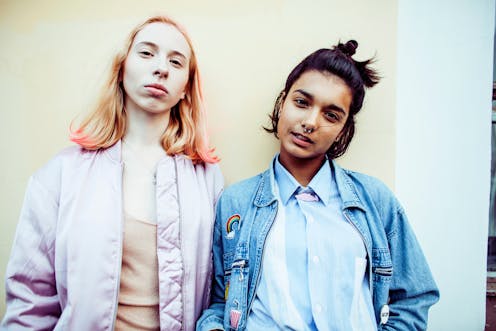
But when the term “misogyny” is brought up in reference to the manosphere, girls and women often become abstract representations of victimhood. Their voices are missing. Conversation around Adolescence, as well as wider coverage on the online misogyny, tends to prioritise the opinions, behaviour and experiences of boys and how they can be supported.