

After stepping out of a helicopter onto the Antarctic Peninsula for the first time, Nerilie Abram needed a cup of tea.
"The first moment ... was one of 'oh my goodness, what am I doing, I can't do this'," the climate scientist recalled.
She was lucky there were British explorers around with tea bags on hand.
"There's many times in Antarctica where it's take a deep breath, have a cup of tea", she told AAP.
"It gets in your blood."
Professor Abram, the Australian Antarctic Division's chief scientist, joined a menagerie of huskies, penguins and journalists at the National Museum in Canberra to unveil an exhibition showcasing the world's coldest, driest and most mysterious continent.
"Australia and Antarctica have been inextricably linked for millennia", senior curator Laura Cook told AAP.
"The oldest object in the exhibition is the 300 million year old piece of ... fossilised wood."
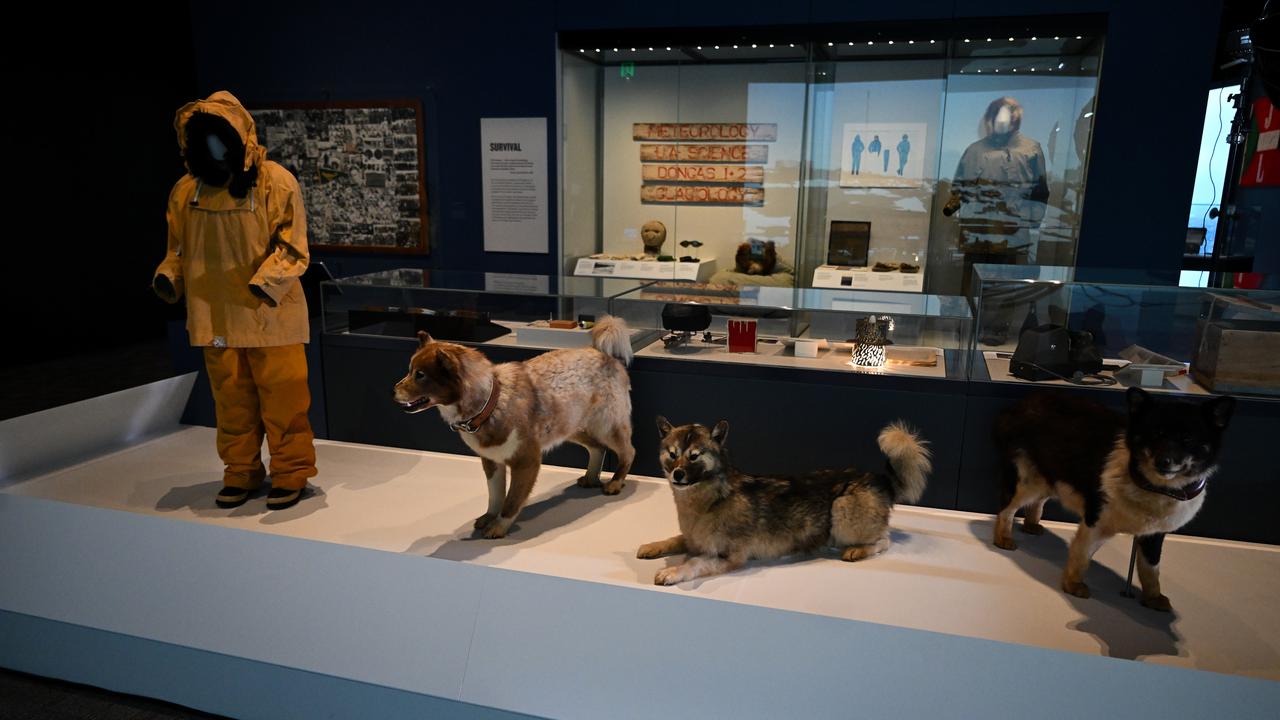
Australia claims the largest chunk - more than 40 per cent - of the icy desert, and staffs three bases there year-round, including during its ever-dark winters.
Prof Abram has visited Antarctica five times. But she doesn't usually sleep in the solid, insulated permanent shelters while she's there, where the temperature can reach minus 20C in summer.
"The tents are pretty amazing, what they will stand up to, but it is chilly," she told AAP.
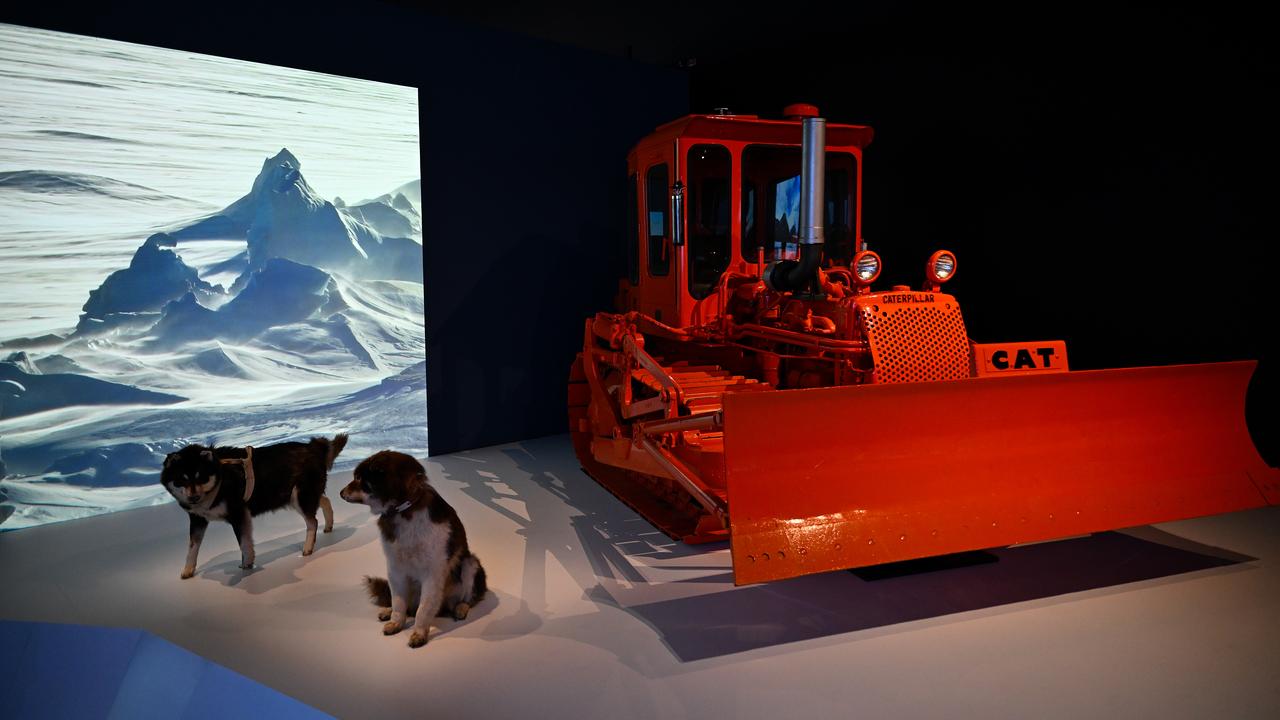
"It's so cold that ... when you go into the tent you want to put your head right inside your sleeping bag anyway."
Prof Abram recalls when back-to-back blizzards trapped her inside a tent for days, wondering if the thin layer of fabric between her and the world's most inhospitable environment would hold.
Antarctica is, to the surprise of many, the world's largest desert, but that squares perfectly with what she describes.
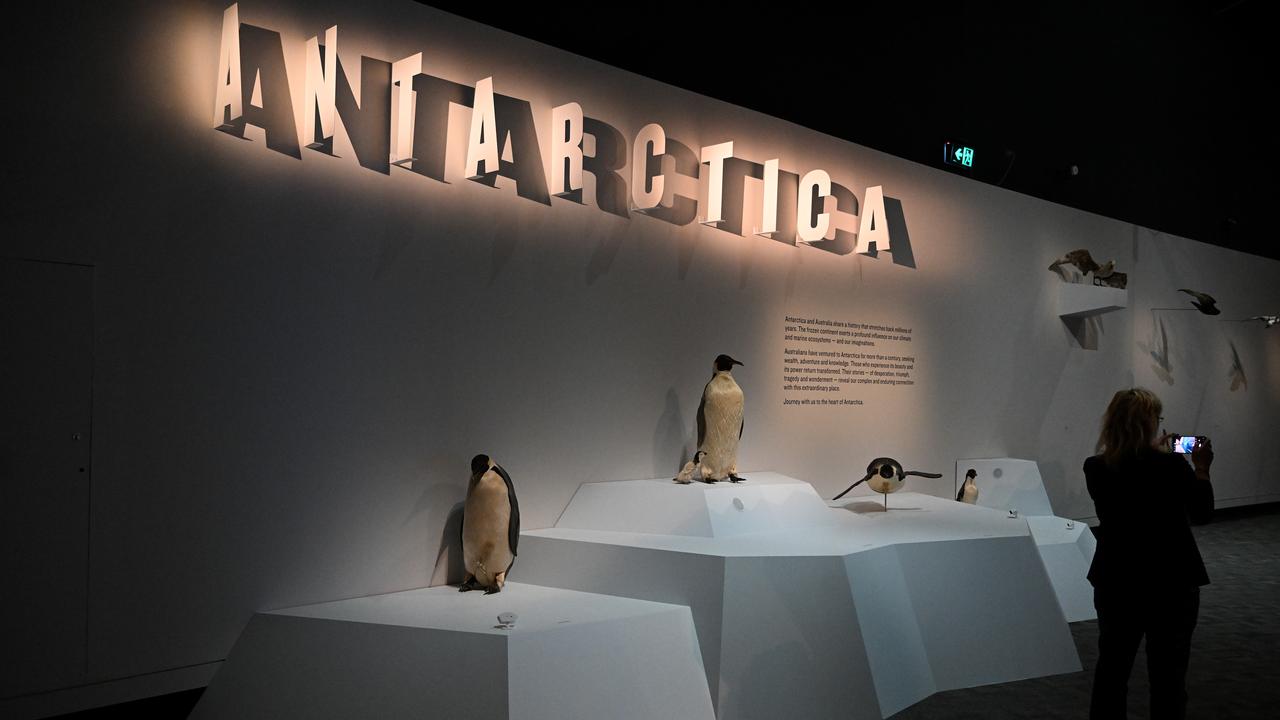
"Some days it's like sparkling crystals, and then when the wind blows, it starts to move ... all these beautiful patterns in the snow," Prof Abram said.
The continent's ever-changing frozen surface mimics its sandy cousins elsewhere, even producing dunes.
Visitors to the National Museum can tour the Antarctic exhibition until October 11.