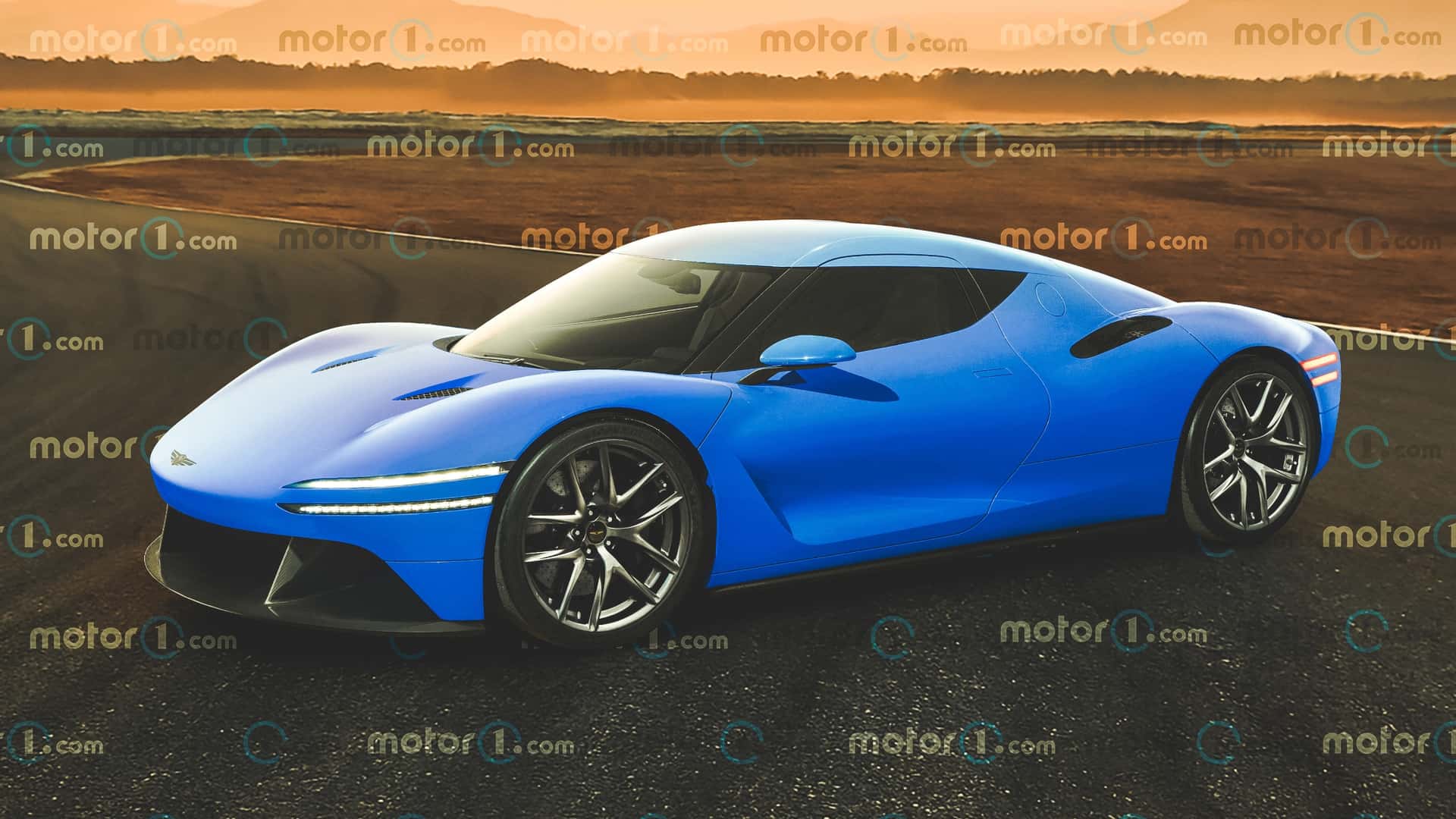
Genesis dropped a shocker on us last month with the introduction of the Magma GT Concept. The low-slung, mid-engine supercar will help define the brand’s next decade—and all signs point to Genesis actually building the damn thing.

The nascent luxury brand has bold racing ambitions, with plans to enter the World Endurance Championship in 2026 and IMSA in 2027. With that, it needs a matching road car—and not just one variant. A production Magma GT could potentially spawn track and lightweight versions, including a proper GT3 R model. As Genesis President and Chief Creative Officer, Luc Donckerwolke, says: "You will have the whole palette."
Despite the concept’s production-ready appearance, the brand wasn’t eager to provide any real information about the car. It sounded like it had a V-8 engine at its debut, even though Genesis doesn’t have a V-8 option in its lineup (yet). Executives are staying quiet about the powertrain for now.
The Magma GT Concept signals a huge step for the Genesis brand. A proper mid-engine supercar tied to its racing aspirations shows others in the industry the brand is serious about performance cars and racing, and we’re eagerly awaiting the GT’s arrival. Until then, this is everything we know about the Genesis mid-engine supercar.
What Will Genesis Call It?

Genesis currently uses an alphanumeric naming scheme for its vehicles—G for sedans and GV for crossovers and SUVs, with a number denoting the size. The Magma sub-brand that Genesis recently introduced results in Genesis tacking the name to the end of the model, like the Genesis GV60 Magma.
Magma GT isn’t the worst name, but it’s unclear if Genesis will keep it through to production. The brand is tentatively calling its Le Mans hypercar the GMR-001, which sounds like a bioengineered ingredient for candy that’ll never spoil.
What Platform Will It Ride On?
The Genesis lineup doesn’t have a mid-engine platform, so the GT will likely ride on bespoke architecture. The Hyundai Group has been working on a mid-engine platform for nearly a decade, but it’s unclear if that project will assist the Genesis brand at all. It’ll likely have extensive use of carbon fiber and other lightweight materials, but details are scarce.
What Engine Will It Have?

While Genesis hasn’t said anything about the powertrain, the concept that the brand showed off last month likely had a V-8. Genesis is building a new, twin-turbocharged V-8 for its Le Mans fighter, combining two 1.6-liter four-cylinders, but Genesis is designing it for racing, and it might not end up in the production version.
If Genesis plans to launch a range of mid-engine supercars, it could utilize several different powertrains. While the base car that Genesis showed off had a V-8, a production base model might have something else, like a version of the brand’s twin-turbo V-6 hybrid.
The 3.5-liter hybrid engine in the GV80 makes 409 horsepower, which doesn’t seem like enough for a car as slick as the Magma GT. But it could be the starting point. The fanciful X Gran Berlinetta concept had a V-6 engine and electric motors making a combined 1,071 horsepower, which sounds much more appropriate for a supercar.
Will Genesis Electrify It?
It seems likely that one iteration of Genesis’ new supercar will have some form of electrification. The brand has a mild-hybrid setup, and a version of that setup will likely help power the Magma GT.
What Will It Look Like?

The production version of the Magma GT should look a lot like the concept. The car will retain the concept’s mid-engine layout, the brand’s twin-line lighting design, and the twin-line lighting accents. A few minor design tweaks here and there, and the concept should be ready for production.
When Does The Genesis Supercar Debut?
Genesis hasn’t announced when a production version of the Magma GT could debut. The automaker plans to enter the World Endurance Championship in 2026 and IMSA in 2027, so we would expect the GT sometime around then.
The concept looks nearly production-ready, featuring normal-sized wheels and side mirrors, so it appears designers don’t have much left to finish. A debut by the end of 2026 is most likely.
How Much Will It Cost?
Pricing for a production version of the Magma GT is a complete mystery. Considering the bespoke design and unknown powertrain lineup, the car should easily cost over $100,000 to start. The plethora of variants could spread out the GT’s cost, but we wouldn’t be shocked if the GT3 variant cracked the $200,000 mark.
Gallery: Genesis Magma GT Supercar Rendering by Motor1