
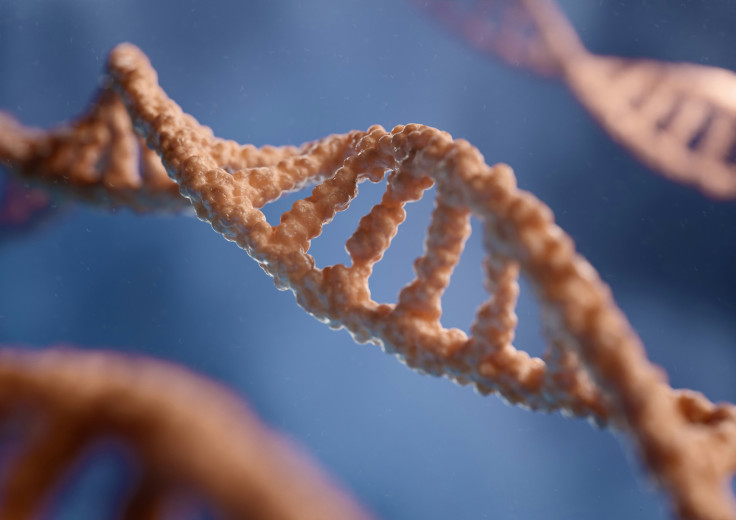
CRISPR has rapidly become one of the most influential breakthroughs in modern science. As a precise gene-editing tool, it allows researchers to cut, modify, or replace DNA sequences with remarkable accuracy. This capability has opened new pathways for treating inherited diseases, improving agricultural output, and advancing biological research.
Yet with such power comes equally significant responsibility. The growing conversations around CRISPR explained, alongside rapidly evolving policies, reflect society's need to weigh both the benefits and consequences of altering the building blocks of life. As gene editing expands, ethical discussions intensify regarding who should have access, how modifications should be used, and where we must draw boundaries. These issues shape the ongoing debate surrounding the gene editing pros and cons and the future of responsible genetic engineering.