Get all your news in one place.
100's of premium titles.
One app.
Start reading
AAP
AAP
Maeve Bannister

Australia to remain vigilant on gender equality policy

Federal parliament is examining gender equality as a national and economic security imperative. (David Crosling/AAP PHOTOS)

Australia is viewed as a global leader in gender equality, but experts say there are still too many local structures allowing inequality to persist. 

Federal parliament has held its first public hearing examining gender equality as a national and economic security imperative.

Gender Equality Ambassador Michelle O'Byrne appeared as well as Office for Women executive director Padma Raman, both of whom recently attended the United Nations 70th session on the Commission on the Status of Women (CSW). 

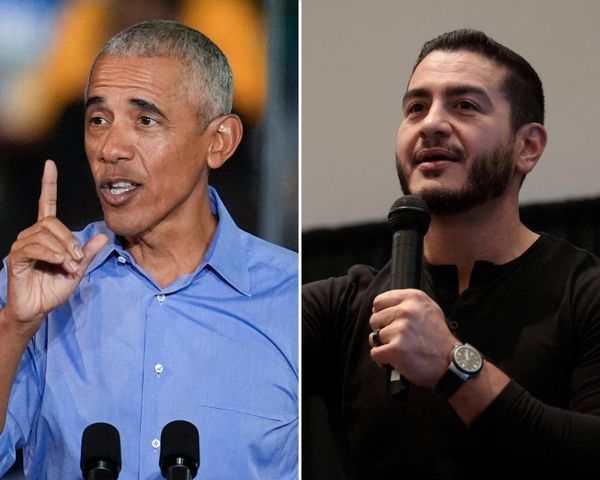
Michelle O'Byrne (file image)
Michelle O'Byrne says gender inequality is a sign of unstable democracies. (Darren England/AAP PHOTOS)

Issues around women had been historically seen as "softer" diplomacy issues when in fact gender equality was often a predictor of peace, Ms O'Byrne told the parliamentary committee.

"(Gender inequality) is an identifier of unstable democracies and unstable economies that could fall into conflict," she told the committee on Friday. 

"It may not be the absolute cause of war that gender inequality exists, but it does speak to deeper structural problems that might be within democracies and economies. 

"And if we genuinely understand that, and I think we do because the evidence says it, then we need to also think about how we then ensure that we're embedding (gender equality) as a security issue."

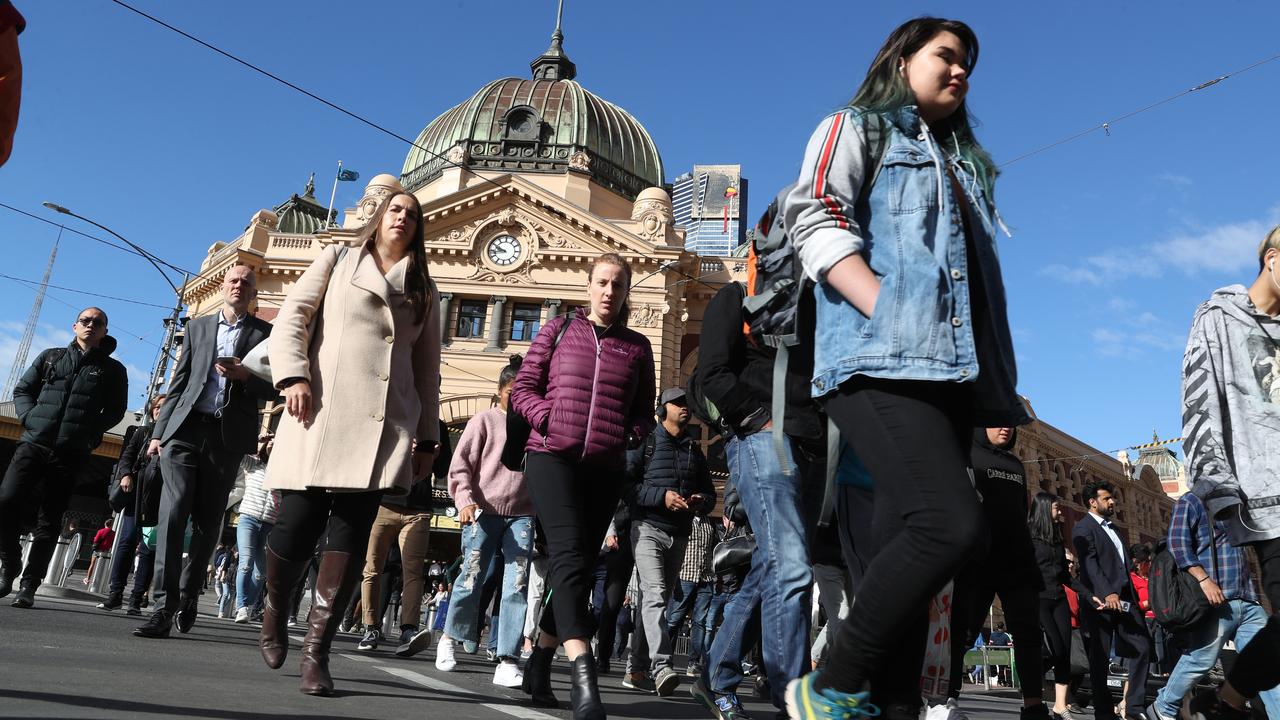
People are seen disembarking a train (file image)
Gender equality is vital for Australia's foreign policy, the committee has been told. (James Ross/AAP PHOTOS)

Australia was demonstrating to other nations that when governments place gender equality at the heart of decision making, they can make real progress, Ms Raman added. 

"There's a great deal of interest in what Australia is doing, especially in terms of some of the big structural change we've made in terms of the gender pay gap and women's (economic) participation," she said.

Ms Raman said Australia was also seen as a leader in keeping women and girls safe online with the establishment of the eSafety Commission. 

"We know that there is interest in the ways (Australia) has tried to regulate platforms, and that we are seen as being ahead of the pack in terms of some of the work we're doing within the eSafety Commission," she said.

"But this is an area where internationally, regulation is just not keeping up with the pace at which technology is moving and I think we need to be really vigilant around technological spaces in terms of safety of women and girls." 

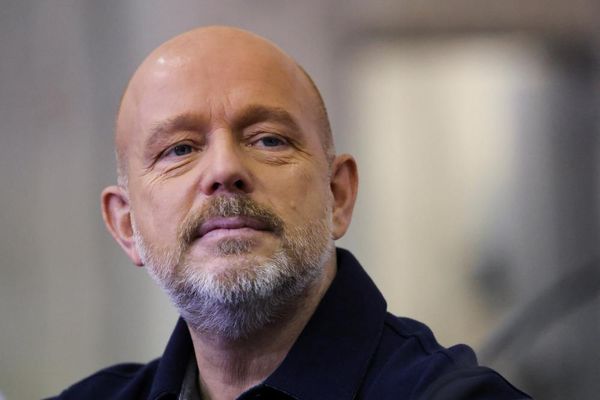
Padma Raman (file image)
Other nations are closely watching Australia's action on gender equality, Padma Raman says. (Lukas Coch/AAP PHOTOS)

In submissions to the committee, experts say previous policies to address gender inequality concentrated on managing its impacts rather than addressing structures that allow inequality to persist. 

"Evidence consistently demonstrates that gender inequality is driven by deeply embedded gender roles and stereotypes that shape expectations about care, work, leadership, economic value, health and safety," Australian Gender Equality Council chair Coral Ross said.

"The current global environment makes it imperative that there is intervention at these foundational levels, and without it progress toward gender equality will remain slow and uneven and may even go backwards."  

A woman walking (file image)
Women face barriers in gaining power at senior levels of society, a global leadership group says. (Julian Smith/AAP PHOTOS)

The Global Institute for Women's Leadership also warned women faced a "diplomatic glass cliff", despite reaching parity within Australian diplomacy.

Power and resources in Australia's international affairs had shifted toward agencies such as defence and home affairs, where women were least represented, institute deputy director Elise Stephenson said.

"This creates a gendered imbalance: women occupy leadership roles in diplomacy just as its functional power declines, while men continue to dominate the growing national security and intelligence sectors," Dr Stephenson said.

Sign up to read this article
Read news from 100's of titles, curated specifically for you.
Already a member? Sign in here
Related Stories
Top stories on inkl right now
One subscription that gives you access to news from hundreds of sites
Already a member? Sign in here
Our Picks
Fourteen days free
Download the app
One app. One membership.
100+ trusted global sources.