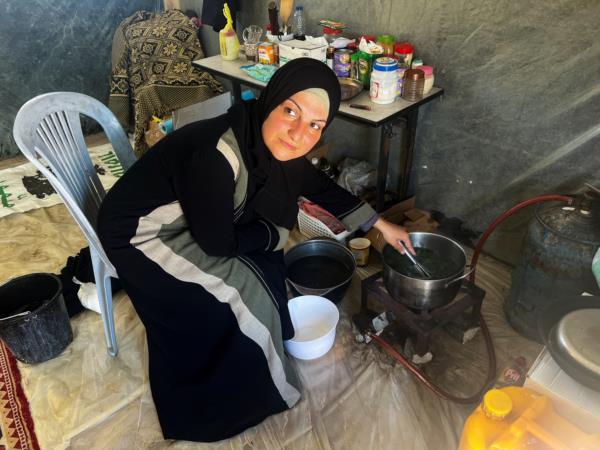
Recent reports indicate that all 2.2 million people in Gaza are currently struggling to meet their food needs, with a staggering 677,000 individuals facing catastrophic hunger. The situation is dire, and if the ongoing conflict escalates, projections suggest that half of the population could be affected by severe hunger between mid-March and mid-July.
Amidst these challenges, providing essential medical care becomes increasingly difficult. Dr. Amber Alayyan from Doctors Without Borders (MSF) highlighted the critical need for pain management, proper nutrition, antibiotic treatment, and fluid management for patients in Gaza. Unfortunately, she noted that these fundamental pillars of care are severely lacking in the region.

Dr. Alayyan emphasized the complexity of treating patients who are both injured and malnourished. She expressed deep concern over the high mortality rate among individuals with significant injuries, stating that many are dying before they can receive adequate medical attention. Initially, medical professionals were attending to individuals with severe abdominal and thoracic injuries, but the situation has worsened over time.
The lack of access to intensive care units (ICUs) further compounds the challenges faced by healthcare providers in Gaza. While efforts are being made to treat those in critical condition, delays in reaching the necessary medical facilities are proving fatal for many patients.