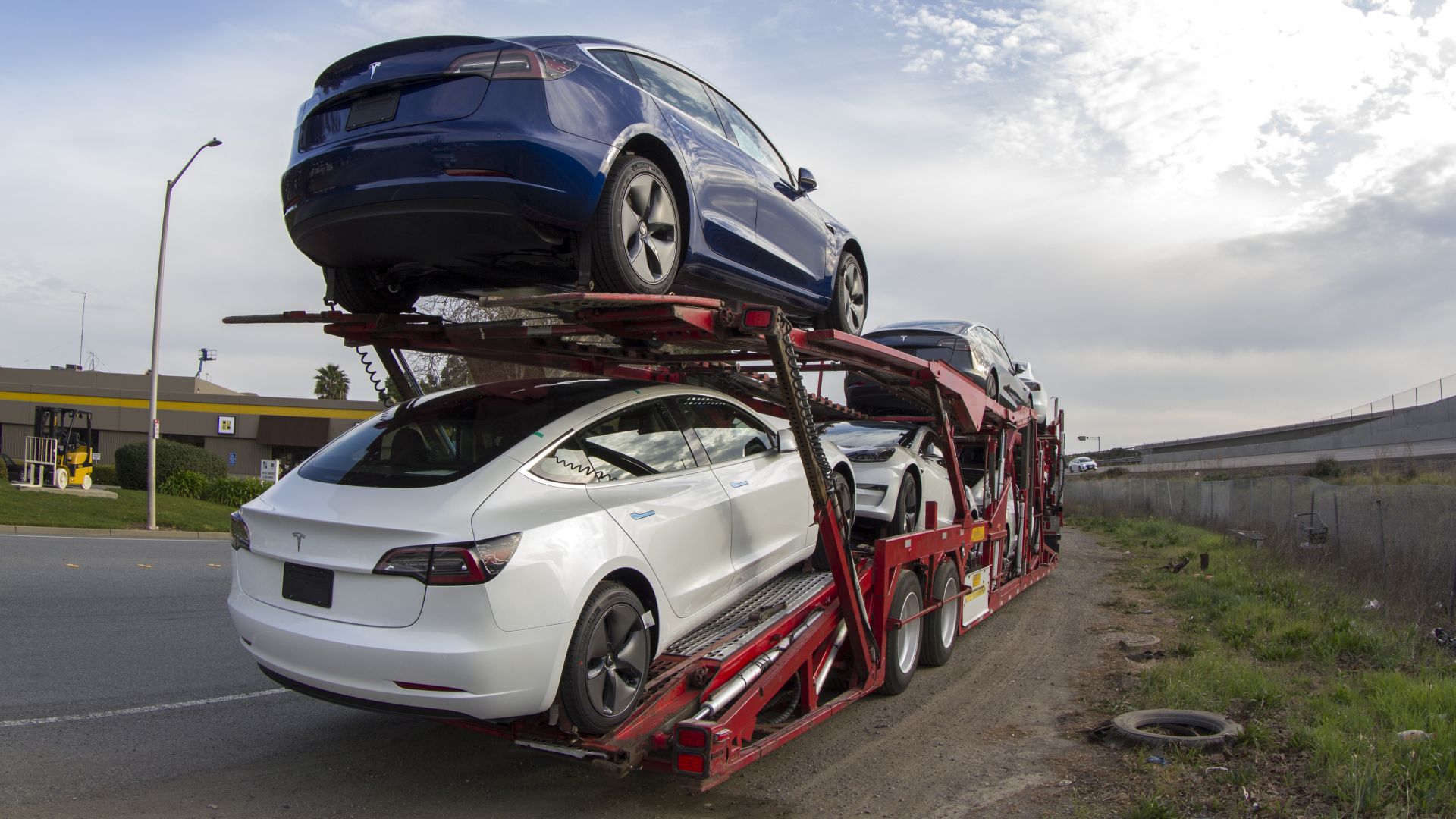
Gas prices are climbing again — and this not only affects drivers at the pump, but prospective car buyers as well.
Check Out: I’m a Mechanic: 5 Electric Cars That Are Actually Worth Buying in Spring 2026

Read Next: 7 Low-Risk Accounts Financially Savvy People Trust for Reliable Returns – And How You Can Use Them
Global instability tied to the Iran war is pushing fuel costs higher, with the national average gas price now over $4 a gallon. Historically, when prices at the pump rise, consumer demand shifts quickly toward fuel-efficient vehicles. That surge can put upward pressure on prices for hybrids and EVs, which can impact buyers who wait too long to buy.
Here’s a closer look at what’s happening and why shoppers considering a hybrid or EV may want to act sooner rather than later.
How Rising US Gas Prices Could Drive Up Hybrid and EV Costs
Higher gas prices tend to reshape car-buying behavior almost immediately. As fuel costs rise, drivers look for ways to reduce their long-term expenses, often by shopping for vehicles that require less gas or none at all.
“A sustained rise in gas prices reliably pushes consumers toward more fuel-efficient vehicles, and we’re already seeing a slight uptick in interest for new and used EVs on CarGurus as prices climb at the pump,” said Kevin Roberts, director of economic and market intelligence at car-shopping site CarGurus.
Learn More: Maybe You Shouldn’t Buy That Car From Costco, Actually
What Past Gas Price Spikes Reveal About Demand
Historically, consumer interest in cleaner powertrains tends to ebb and flow with gas prices.
“The gas price spikes of 2008 and 2022 both produced what I’d call a ‘sugar rush’ response — demand for fuel-efficient vehicles surged quickly, then moderated just as fast once gas prices cooled,” Roberts said.
In 2022, when gas prices crossed $5 per gallon nationwide, the impact on EV pricing was swift.
“When prices reached $4, EV interest on the CarGurus platform surged, and used EV prices climbed sharply — a clear signal of demand outpacing supply,” Roberts said. “Between February and June 2022, the average used EV price rose from roughly $54,000 to $68,000 before eventually moderating as gas prices eased.”
While we can’t predict the future, history provides a good indication of what’s likely to happen.
“With how dynamic and unpredictable the current oil situation is, it’s too soon to tell whether this will be the start of a longer-term shift in buyer behavior,” Roberts said. “Either way, the directional relationship is clear: higher gas prices mean more interest in hybrids and EVs, and that increased demand can put upward pressure on prices.”
How Fast Hybrid and EV Prices Could Rise in the Current Market
As for how quickly pricing for fuel-efficient vehicles could rise amid geopolitical tensions, Roberts noted that it’s a supply-and-demand equation — and there are already constraints on the supply side.
“We’re in the heart of tax refund season right now, and vehicle prices tend to rise on their own as seasonal demand picks up,” he noted. “That’s a tailwind that’s already in motion regardless of gas prices.”
The good news for shoppers is that supply conditions are healthier than they were during the last major fuel price spike.
“We’re currently in a better position for supply of new and used EVs and hybrids compared to the last gas price spike in 2022, so prices would likely take longer to elevate meaningfully,” Roberts said. “More inventory acts as a buffer, but it’s not unlimited.”
One indicator worth watching is used Tesla pricing.
“After trending downward for much of the last year, used Tesla prices are starting to tick up,” Roberts said. “According to CarGurus’ price trends data, the average used Tesla has increased nearly 6% in price over the past month, compared with almost 3% for the broader used market.”
That divergence suggests demand may already be accelerating for electric vehicles as gas prices rise.
Why Now May Be the Best Time To Buy a Hybrid or EV
If you’re in the market for an EV, right now is an exceptional time to be shopping, Roberts said.
“Demand is down, market days supply is up sharply, and deals are out there to be had,” he said. “Used EVs continue to represent some of the best values in the entire used market for budget-conscious buyers looking for a cleaner powertrain.”
However, hybrids are a different story.
“Supply is already quite tight, so the deals aren’t as generous to start, and any meaningful shift in demand could make that situation even more challenging,” Roberts said.
“The bottom line: EV buyers have the leverage right now, hybrid shoppers less so, and both could see conditions tighten if gas prices stay elevated.”
EV Models Showing Some of the Biggest Price Drops Right Now
Despite growing uncertainty around fuel costs, several electric vehicles are still selling at significant discounts compared to last year, creating opportunities for buyers who move quickly.
According to CarGurus data, models with notable price declines include:
GMC Sierra EV
- Average price: $72,937 (down 23.5% vs. 2025)
Chevrolet Equinox EV
- Average price: $35,313 (down 21% vs. 2025)
Hyundai Ioniq 5
- Average price: $39,544 (down 22.6% vs. 2025)
Dodge Charger Daytona
- Average price: $59,020 (down 13.6% vs. 2025)
Volkswagen ID.Buzz
- Average price: $59,344 (down 11.8% vs. 2025)
As gas prices creep higher, those discounts may not last — especially if more drivers decide that waiting could cost them more in the long run.
More From GOBankingRates
- 21 Insider Costco Moves That Could Add Up to Thousands in Yearly Savings
- 5 Reliable Cars That Will Have Massive Price Drops Ahead of Spring 2026
- 5 Clever Ways Retirees Are Earning Up to $1K Per Month From Home
- 9 Low-Effort Ways to Make Passive Income (You Can Start This Week)
This article originally appeared on GOBankingRates.com: Gas Prices Are Rising: Buy a Hybrid or EV Now — or Pay More Money Later