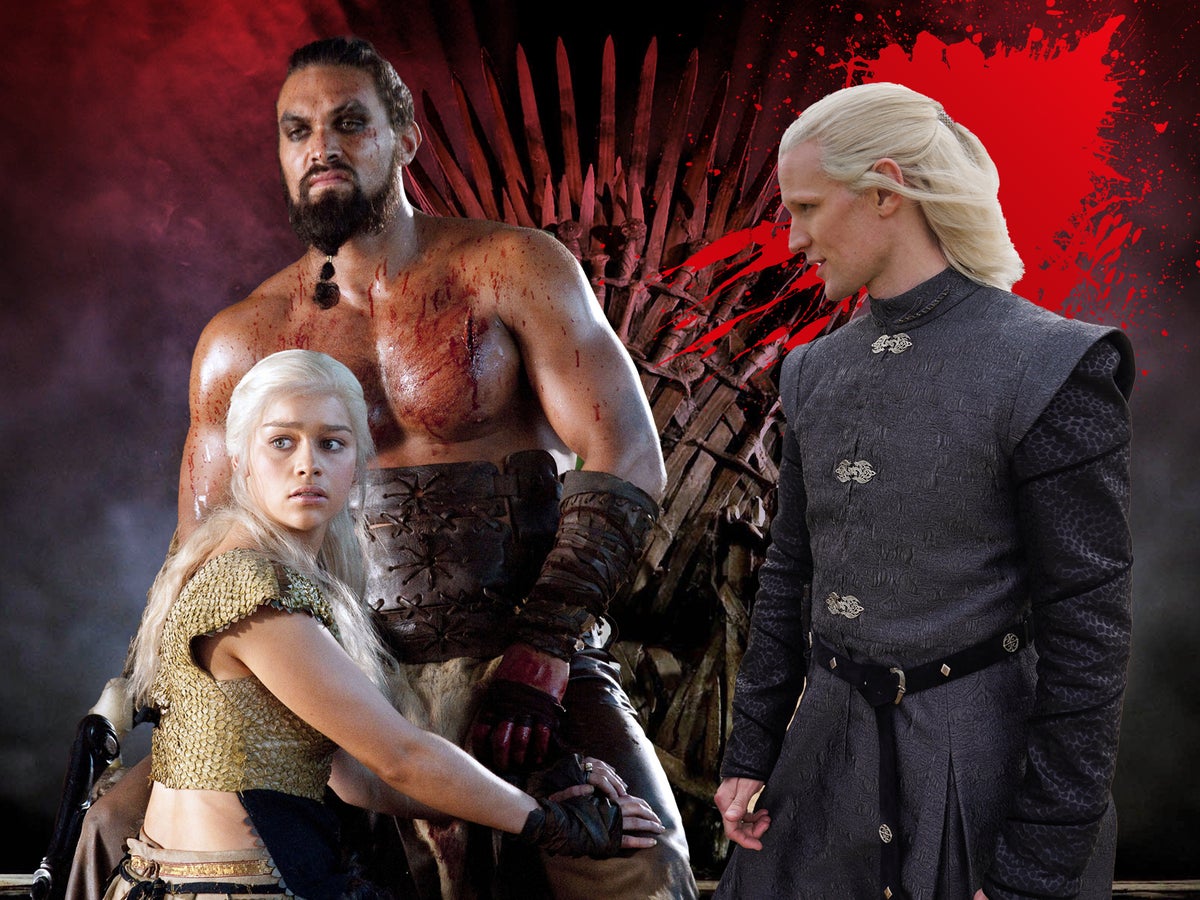
Moralising about TV shows is an art almost as ancient as the medium itself. Think back – if you’re in your seventies or older – to the controversies around showing Lucille Ball’s pregnancy on I Love Lucy, a move that resulted in CBS insisting that the character could only be referred to as “expecting”. Indeed, censoriousness has stalked television so relentlessly that the original series of HBO’s Gossip Girl, in reality a fairly tame depiction of teenage sex lives, harnessed the outrage as part of their advertising campaign. “Every parent’s nightmare” and “a nasty piece of work”, the show’s posters proclaimed. But perhaps no show has generated such a whirlwind of hand-wringing as HBO’s Game of Thrones.
It is a series, set in a fantasy world where technology and politics roughly resemble the Middle Ages, brimming with sex and violence. So naturally, a cottage industry of comment pieces sprung up to condemn the show throughout its eight-year run. “Thrones’ treatment of women has irreparably tainted the series,” one announced. Another concluded that “a series which subjected its female characters to endless sexual violence was on their attackers’ side”, while, damningly, another asked, “How much misogyny and racism are we expected to put up with in the name of entertainment?”