Get all your news in one place.
100's of premium titles.
One app.
Start reading
The Economic Times
The Economic Times

G20 trade ministers deadlock on excess capacity, forced labour as US seeks tougher rules

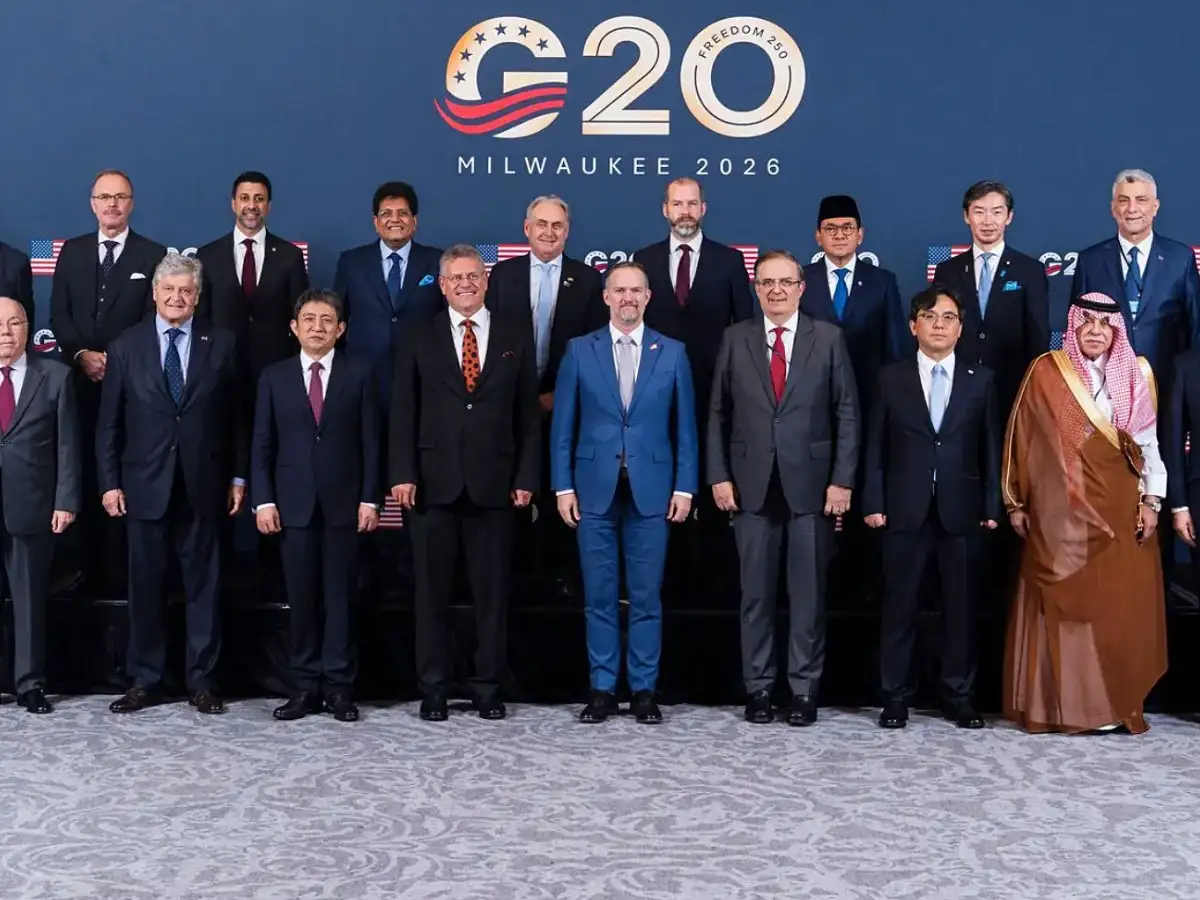
Milwaukee: G20 trade ministers failed to reach an agreement Thursday to curb the flooding of markets with overproduced, underpriced goods, a practice the Trump administration says undercuts American manufacturers.

US Trade Representative Jamieson Greer, emerging from the gathering, said talks were constructive despite not reaching consensus on the issue, which is known as "excess capacity."
Also Read: India-US trade deal 'not imminent'; USTR Greer says 'sticking points' identified

"Nearly all countries agreed that this is an issue that required action. And nearly all countries agreed that our current system of trade remedies and responses is inadequate to solve this problem," Greer said.

The White House has accused trading partners of producing a gamut of goods in quantities surpassing demand, claiming it sends prices downward and unfairly skews competition. The Trump administration views China as the leading offender, but has opened investigations into countries from Norway to Bangladesh.

Besides Chinese-made steel, the administration has claimed industries including autos, batteries, paper and semiconductors have been plagued by overproduction, causing the US to lose ground to competitors.

The gathering in Milwaukee of representatives from the G20, which includes both the biggest industrialized countries and some emerging markets, bore no signs of a breakthrough on the biggest trade dispute of the moment, between the US and Canada.

Animosity between the two countries have been growing since the summer, when President Donald Trump slapped 50 per cent tariffs on about USD 20 billion worth of Canadian imports, leading Canada to promptly counterpunch with tariffs of its own. It further devolved this week, with Trump banning nearly USD1 billion worth of Canadian imports, including alcoholic beverages, dairy products and motorcycles.

"The reality is there are a handful of outstanding issues that are quite difficult to resolve," Greer said Thursday.

Canada is a seemingly unlikely target of Trump's trade war. No country buys more from the United States than its northern neighbor, an ally long considered so close that the countries share an unprotected border.

Also Read: Piyush Goyal meets EU Trade Commissioner, discusses progress on signing FTA

Canadian trade minister Maninder Sidhu, pleaded for cooperation, saying: "You're facing some of the same challenges that we're facing. Let's help each other and let's work through something."

In other discussions at the meeting, trade leaders also failed to reach a deal on forced labour, an issue the Trump administration has used as a justification for double-digit tariffs on more than 60 countries. The breadth of the levies, which cover 99 per cent of US imports, suggests another motivation: replacing worldwide tariffs that Trump imposed last year only to see them struck down by the Supreme Court in February.

"Believe it or not, we have countries in the G20 that do not want to commit to having a prohibition on the import of goods made with forced labor," Greer said. "At the end of the day, we all know forced labor is wrong, and it will distort our markets, and we won't have it."

Sign up to read this article
Read news from 100's of titles, curated specifically for you.
Already a member? Sign in here
Related Stories
Top stories on inkl right now
One subscription that gives you access to news from hundreds of sites
Already a member? Sign in here
Our Picks
Fourteen days free
Download the app
One app. One membership.
100+ trusted global sources.