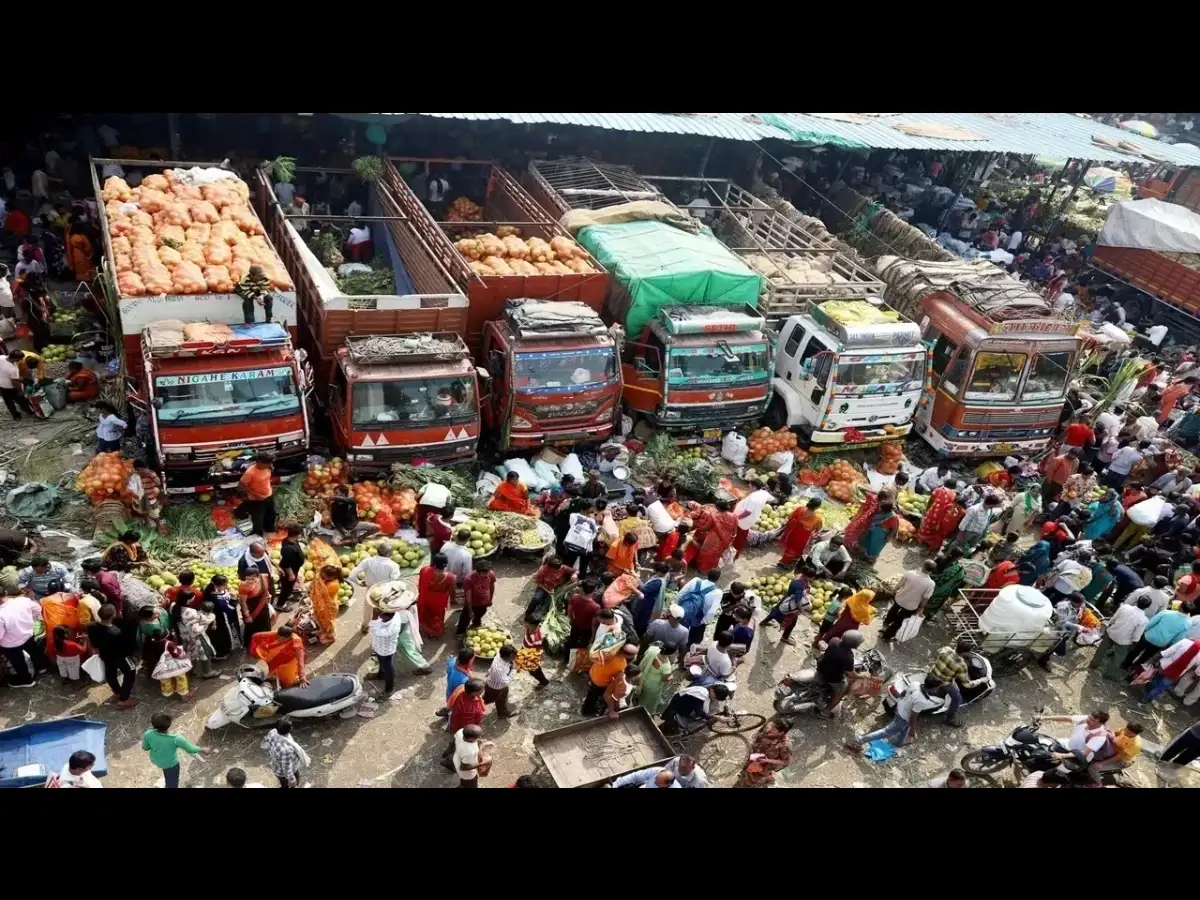
Recent hikes in petrol and diesel prices could soon nudge up fruit and vegetable rates in the national capital, traders at Delhi’s Azadpur mandi said on Monday.
Oil Marketing Companies raised petrol prices by ₹2.61 per litre and diesel by ₹2.71 per litre — the fourth increase in under two weeks — triggering concerns over rising transport costs.

Rajinder Sharma, president of the Azadpur Mandi Federation of Fruit and Vegetable Associations, said there has been no immediate impact on wholesale prices so far, but a sustained increase in fuel prices could eventually affect rates, reported PTI.
"As of Monday, there has been no impact on the prices but with fuel prices expected to increase more in the coming days, we might see some impact. While small increments in the price do not always impact wholesale prices right away, a larger accumulated increase in fuel prices will of course lead to an increase in pricing," Sharma said.
Also Read | Petrol, Diesel price hike: Fuel rates increased for fourth time in less than two weeks
According to Anil Malhotra, general secretary of the Vegetable Traders' Association, any increase in transportation costs would directly affect the prices of fruits and vegetables arriving in Delhi.
"Trucks are used to transport crops, fruits and vegetables from every part of the country to Delhi, including places like Rajasthan, Hyderabad and Kolkata. Loaders rent these trucks and as the fuel prices go up, it will inevitably impact the transportation costs," Malhotra said.
However, Sharma said the extent of the price rise would depend on how much transporters increase truck rentals.
"We cannot predict the exact increase yet as it will depend on how much truck rentals rise," he said.
Dilip Kumar, a tomato seller at Azadpur mandi, said retailers and consumers usually begin feeling the impact once transporters revise freight charges.
"If diesel prices continue to rise, transporters will charge more and that cost eventually comes to the mandi. Retail prices may go up slightly over the next few days if the fuel hikes continue, directly impacting consumers," Kumar said.
Vendors at the mandi also said any increase in logistics expenses is eventually passed on to consumers through higher retail prices.