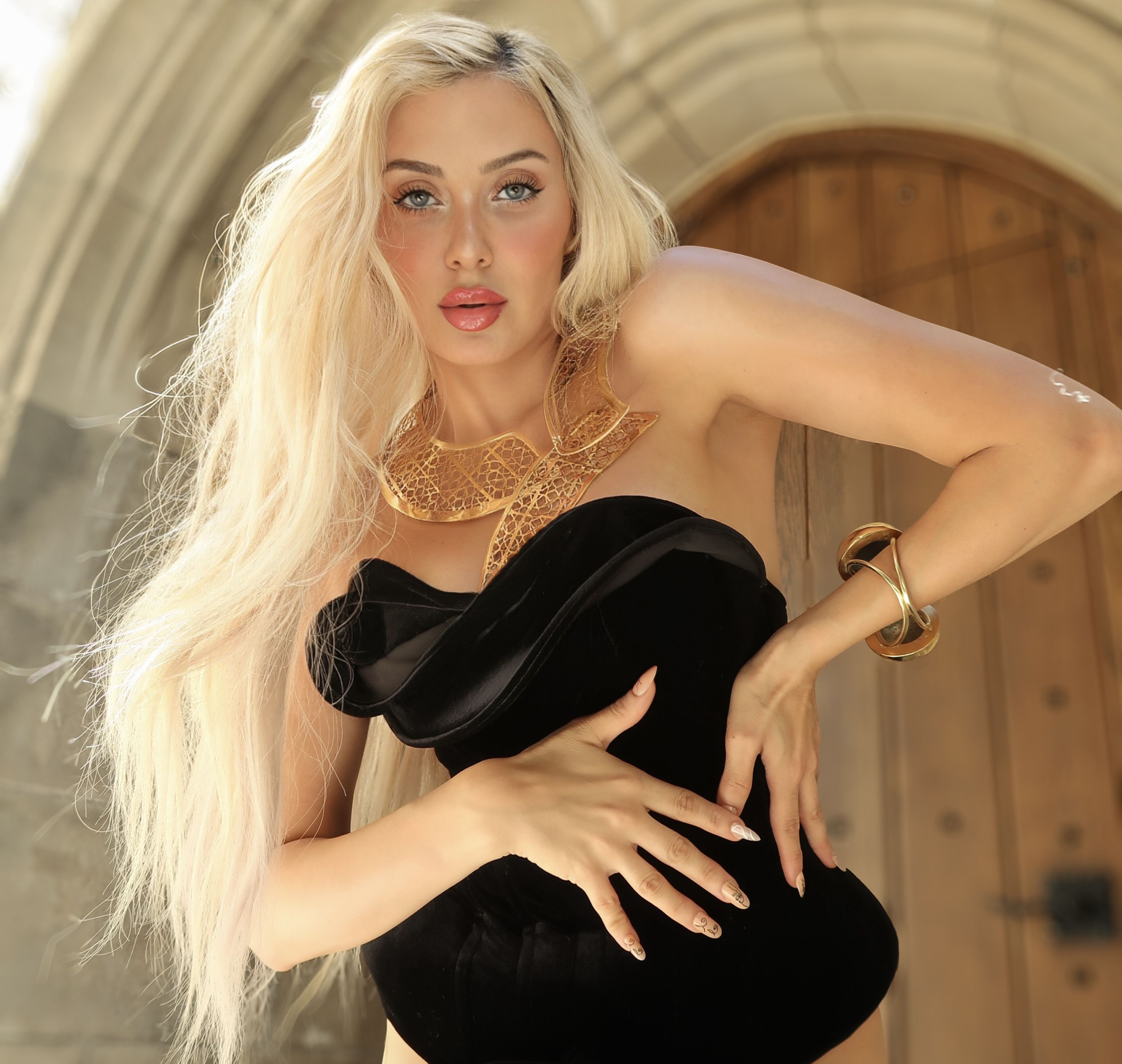
When Iranian-American actress Jewell Farshad walked onto the set of HBO’s Euphoria for Season 3, she understood the significance of the moment.
She was not only stepping into a major television series. She was bringing Persian representation to a show watched by audiences around the world.
But there was something else that mattered just as much to Farshad.
She was there to play a character.
Not an Iranian character.
Not a Middle Eastern stereotype.
Not a storyline designed to explain her culture.
Just a woman.
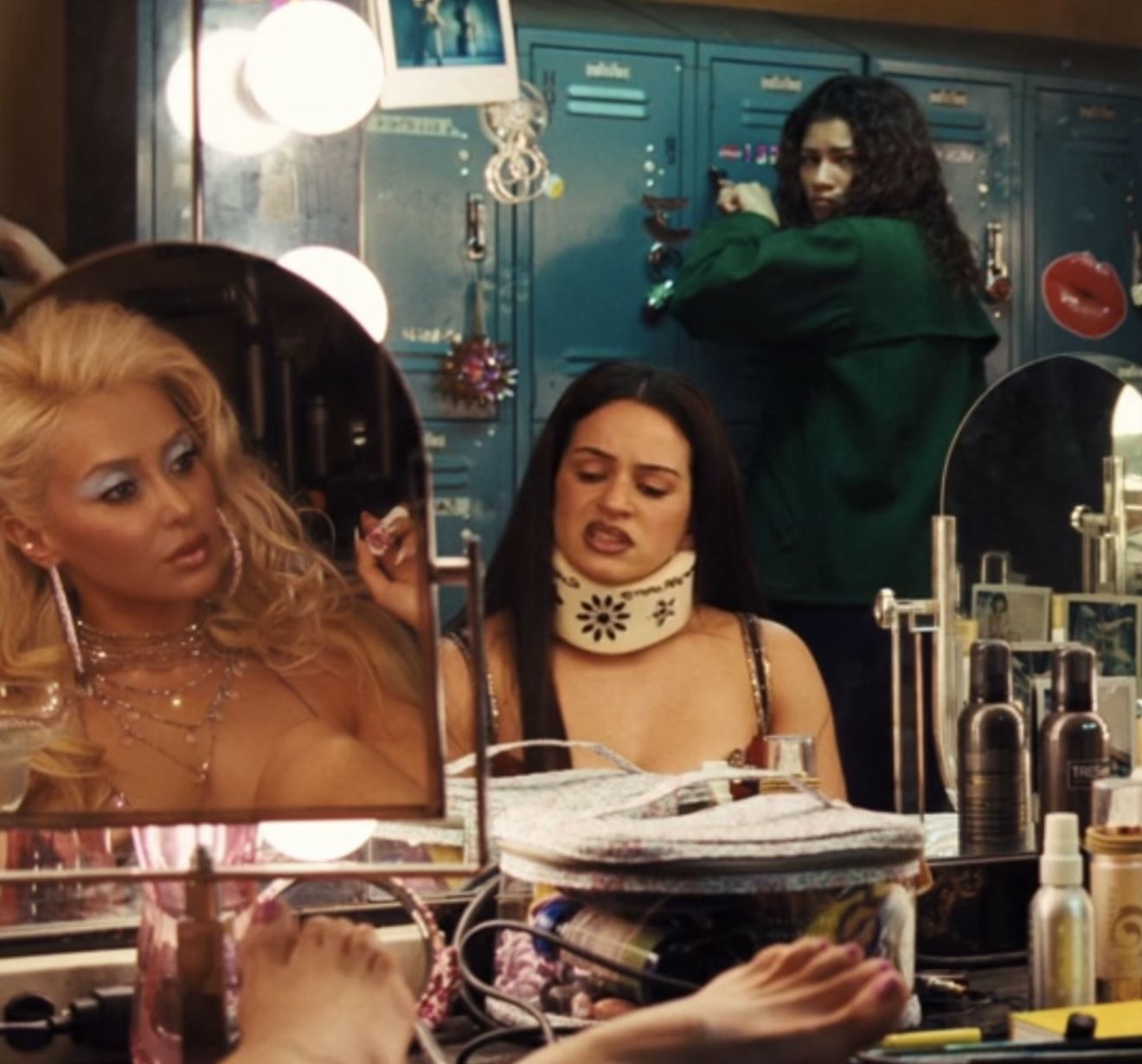
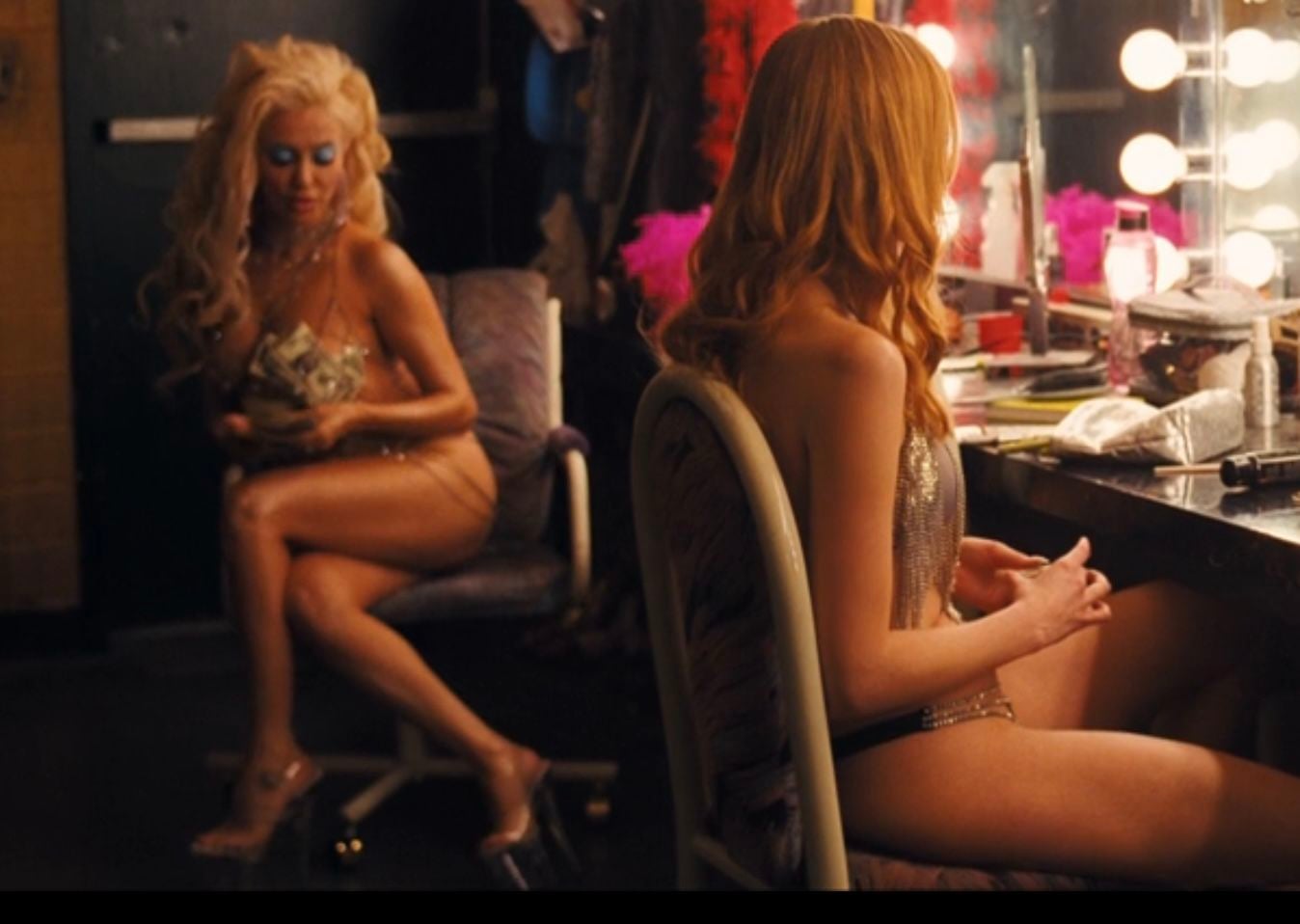
In Season 3, Farshad portrays Penelope, a glamorous and unapologetic character whose dramatic blonde hair, bold wardrobe, and larger-than-life personality make her a natural fit for the heightened world of Euphoria. She appears alongside Zendaya and global superstar Rosalía.
For Farshad, being able to step into that role without being defined by her ethnicity represents the kind of diversity she hopes to see more of across Hollywood.
“I loved that I got to play this over-the-top blonde bombshell with crazy fun hair and outfits,” Farshad says. “I wasn't cast as a typical Middle Eastern character. I got to just be a woman and have fun.”
That freedom is important to her.
Because while representation matters, Farshad believes the ultimate goal should be an entertainment industry where actors from diverse backgrounds are not limited to roles written specifically around their ethnicity.
Representation Should Mean More Possibilities
For Farshad, diversity in entertainment should not mean simply adding different faces to existing stories.
It should mean expanding the number of stories those actors are allowed to tell.
An Iranian actress should be able to play an Iranian woman, but she should also be able to play a character whose ethnicity is never mentioned.
She should be able to play the romantic lead.
The villain.
The best friend.
The CEO.
The comedic character.
The fashion icon.
The blonde bombshell.
Or simply a woman navigating her own life.
Farshad believes that is where true representation begins to feel meaningful.
“I want to see more women like me being given the opportunity to step into roles as they are,” she says. “Not every role needs to define us by our background.”
For her, Euphoria provided exactly that opportunity.
Penelope is not introduced to audiences as “the Iranian character.”
She is simply Penelope.
And Farshad gets to bring her own experiences, personality, and perspective to the role.
A Career Built Between Cultures
Farshad's perspective on representation comes from personal experience.
Born in Tehran, she left Iran at 18 after winning the U.S. Green Card Lottery and moved to Los Angeles to pursue modeling and acting.
Building a career in Hollywood as an immigrant meant learning how to navigate an industry where she did not necessarily see people with her background occupying every kind of role.
She began modeling, appeared on international magazine covers, worked in fashion, created digital content, and continued pursuing acting.
Her connection to Euphoria began during Season 2, when she was cast to play herself as an influencer and appeared in Episode 2 alongside Kat, played by Barbie Ferreira.
The following year, she auditioned for Idol, the HBO series created by Sam Levinson and Abel “The Weeknd” Tesfaye. Farshad was pinned for a role in Season 1, but after becoming sick with COVID during the week of filming, she had to pass on the opportunity.
When Euphoria returned for its third season, Farshad was ready.
This time, she had the chance to step into a more substantial role.
And she wanted to make the most of it.
Being the Only One in the Room
Hollywood has made progress in representation, but Farshad says there are still moments when she is acutely aware of being different from the people around her.
She has built her career independently rather than coming from a famous Hollywood family. She did not arrive with a major studio machine behind her.
She had to build her résumé one opportunity at a time.
“I was very aware that I was not the person in the room with a famous family or a massive Hollywood following,” she says. “I had to build everything myself.”
That experience has made the idea of taking up space particularly meaningful to her.
For Farshad, taking up space does not mean competing with other women.
It means refusing to believe that there is only one seat at the table for someone from an underrepresented background.
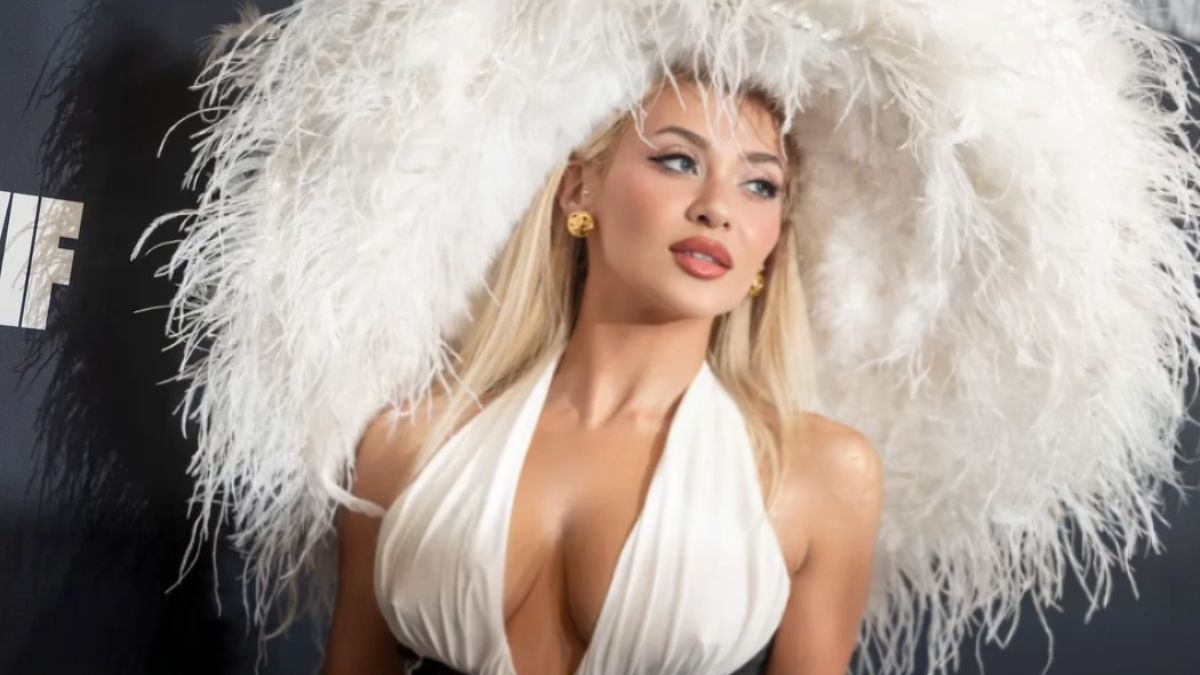
“I think women are sometimes taught to make themselves smaller,” she says. “I want women to feel like they can walk into a room and take up space without apologizing for who they are.”
Her appearance on Euphoria became a personal example of that philosophy.
She was there because she had earned the opportunity.
And she did not want her cultural background to become a limitation.
Persian Representation Without Being Defined by It
Farshad is proud to be Persian.
She is proud to bring that identity into Hollywood.
But she also wants to move beyond the idea that an Iranian actress can only be valuable when she is specifically representing Iran.
That distinction is central to how she thinks about diversity.
Representation should open doors rather than create new boxes.
“I want to be able to play the role because I'm the right actress for it,” she says. “And if I'm Iranian, that's part of who I am. It doesn't have to define the character.”
For Farshad, seeing someone like herself on Euphoria is therefore both meaningful and encouraging.
She became the first and, following the conclusion of the series, the only Iranian actress to appear on the show.
But she hopes she will not be the last person from her community to receive opportunities like this.
“I would love to see more Persian actresses, more Middle Eastern actresses, and more women from different backgrounds in all kinds of roles,” she says.
Not just the roles specifically written for them.
All of them.
Why Seeing Yourself Matters
There is a reason representation continues to matter even as audiences become more diverse.
People often understand what is possible by seeing someone else do it first.
For a young Iranian girl watching Euphoria, seeing a Persian actress on one of the world's most recognizable television series can create a different kind of possibility.
She can see herself as an actress.
But Farshad hopes that young women take something even bigger from her story.
They do not have to wait until someone else decides they fit an expectation.
They can define themselves.
“I dreamed of Hollywood so that one day a girl in Iran could see a beautiful Persian woman on screen—not a terrorist, but a leading woman. Powerful. Free. Seen.”
For Farshad, that statement is not about replacing one stereotype with another.
It is about creating room for complexity.
An Iranian woman can be glamorous and intelligent.
She can be ambitious and feminine.
She can be traditional in some ways and completely unconventional in others.
She can be proud of where she comes from while creating a life somewhere else.
She can represent her culture without being reduced to it.
The Future of Representation
Farshad believes the entertainment industry is moving toward a more inclusive future, but she hopes diversity eventually becomes so normal that it no longer feels like an unusual event.
The goal should not be for audiences to constantly ask why a Persian actress is playing a certain role.
The goal should be for audiences to simply accept that she belongs there.
That is the future she wants to be part of.
A Hollywood where an actress can walk into an audition and be considered for the character first.
Where ethnicity can add depth to a performance without becoming a restriction.
Where women from underrepresented backgrounds are not asked to represent an entire culture every time they appear on screen.
And where the next Iranian actress does not have to be the first.
Taking Up Space, Making Room
Farshad's journey from Tehran to Los Angeles has given her a particular understanding of what representation can mean.
She knows what it feels like to be the person who does not see many people like herself in the places she wants to go.
Now that she is there, she wants to make the path wider for others.
Her Euphoria role is one milestone.
But the bigger goal is what comes after it.
More Persian actresses.
More Middle Eastern actresses.
More women from immigrant families.
More diversity behind and in front of the camera.
And, most importantly, more freedom for those performers to play characters who are not defined by where they come from.
“I don't want the conversation to end with, ‘She's an Iranian actress on Euphoria,’” Farshad says. “I want it to become normal for women like me to be everywhere.”
That may be the most meaningful kind of representation.
Not simply being the first.
But helping make sure that eventually, nobody has to be.
About Jewell Farshad
Jewell Farshad is an Iranian-American actress, model, and content creator based in Los Angeles. She has worked across television, film, fashion, and digital media. Farshad appeared in Season 2 of HBO's Euphoria and returned for Season 3 as Penelope, becoming the first and only Iranian actress to appear on the series. Her work focuses on acting, fashion, Persian representation, women's empowerment, and creating greater opportunities and visibility for women from diverse backgrounds.