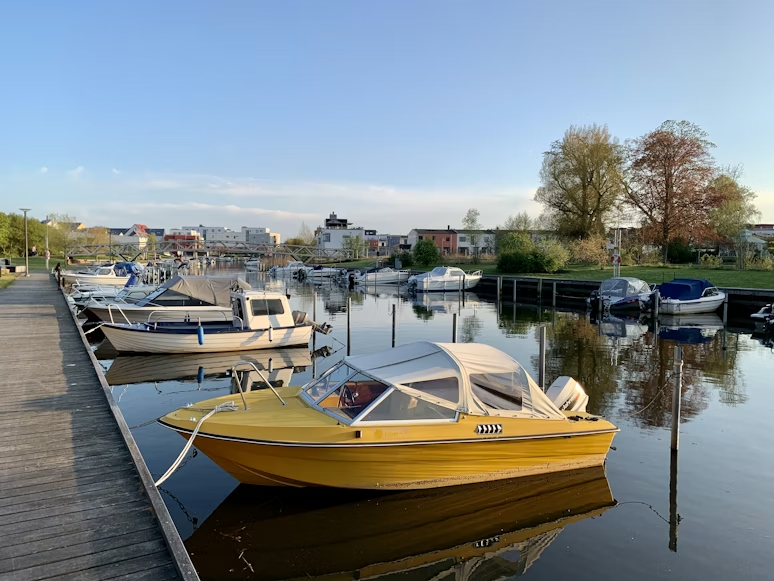
Image Source: Unsplash
Owning a boat is an incredible experience, but it also comes with responsibility. Boats constantly face harsh environmental conditions that can quickly damage their surfaces and structural components. From saltwater corrosion to intense sun exposure, every trip out on the water exposes your vessel to elements that can gradually break down materials. Without proper protection, these conditions can lead to fading, cracking, rust, and expensive repairs. That’s why marine coating and sealant systems are essential for maintaining a boat’s durability and appearance. These specialized products are designed to create protective barriers against water, UV rays, and environmental contaminants. When applied correctly, marine coatings and sealants not only extend the life of your boat but also help it maintain its value and performance.
Why Marine Coatings Are Essential for Boat Protection
Marine coatings serve as the first line of defense against environmental damage. Unlike traditional paints, these coatings are engineered specifically to withstand constant exposure to water and salt. The hull, deck, and exposed metal components of a boat are especially vulnerable to corrosion and oxidation if they are not properly protected. One of the biggest threats to boats is saltwater corrosion, which can quickly weaken metal parts and damage painted surfaces. Marine coatings create a strong barrier that prevents salt and moisture from reaching the underlying materials. Many coatings also contain UV inhibitors, which protect surfaces from fading, chalking, and cracking caused by prolonged sun exposure. By applying high-quality marine coatings, boat owners can significantly reduce wear and tear while keeping their vessel looking clean and polished.
How Marine Sealants Prevent Water Damage
While coatings protect larger surfaces, marine sealants are used to seal smaller areas where leaks can occur. Boats contain many joints, seams, and fittings that must remain watertight to prevent water intrusion. Areas such as windows, deck hardware, and railings rely heavily on durable marine sealants to keep moisture out. Marine sealants are formulated to remain flexible, allowing them to expand and contract as the boat moves and temperatures change. This flexibility ensures that the seal remains intact even under constant vibration and movement. When properly applied, sealants create a strong waterproof bond that prevents water from entering hidden structural spaces where mold, rot, and corrosion could develop. Regular inspection and replacement of worn sealants is essential to maintain this protective barrier.
The Impact of Sun and Saltwater on Boats
Sunlight and saltwater are two of the most damaging forces in the marine environment. Constant UV exposure can cause oxidation and fading on gelcoat and painted surfaces, leaving the boat looking dull and worn. Over time, this damage can weaken the vessel's outer layers and reduce its resistance to moisture. Saltwater compounds this problem by accelerating corrosion on metal components and slowly degrading protective finishes. Without proper coatings, salt crystals can settle on surfaces and gradually eat away at paint and exposed materials. Marine coatings and sealants work together to combat these threats. Protective coatings shield surfaces from UV radiation while sealants block moisture from entering vulnerable areas. This combination provides comprehensive protection against the harsh marine environment.
Maintaining Marine Coatings for Long-Term Performance
Applying marine coatings and sealants is only part of the process. Regular maintenance is essential to ensure that these protective layers continue to perform effectively. Boat owners should routinely clean their vessels to remove salt buildup, dirt, and other contaminants that can weaken coatings over time. Inspecting sealants around fittings, windows, and deck hardware can help identify small cracks or gaps before they lead to leaks. Touching up coatings and replacing worn sealant areas when necessary helps preserve the protective barrier. By staying proactive with maintenance, boat owners can ensure their vessel remains protected from corrosion, sun damage, and moisture intrusion for years to come.
Protecting a boat from saltwater corrosion, UV damage, and constant exposure to moisture is essential for maintaining its performance, appearance, and long-term value. Marine coatings and sealants work together to create a durable shield that guards surfaces, prevents leaks, and helps reduce costly repairs over time. By choosing high-quality products and keeping up with routine maintenance, boat owners can ensure their vessel stays protected and ready for every adventure on the water. If you're looking for reliable products designed specifically for marine protection, visit marinedetailsupplygreaterboston.com to explore solutions that help keep your boat in top condition year after year.