The conflict in the Middle East has disrupted global supply chains and triggered price rises across a range of categories, prompting accusations of price gouging and warnings of worse to come if the conflict persists.
Here we take a look at the impact so far.
Petrol
Fuel pump prices have risen slightly across the UK and Europe since Israel and the US started bombing Iran on Saturday and much higher rises are expected. Brent crude, the global benchmark for oil prices, jumped 10% to $82 (£61) a barrel on Monday before easing on Wednesday to $78. Britain’s AA has said record prices could come within the next two weeks.
The Irish taoiseach, Micheál Martin, said there was “no excuse” for fuel price rises because Ireland’s oil came from the North Sea. “We don’t want any price gouging going on,” he added. Spain’s government said it was monitoring petrol prices to avoid speculative movements.
Heating oil
Some suppliers in Northern Ireland, where almost two-thirds of homes use oil for heating, have increased prices by more than a third. On 26 February the average price of 500 litres was £307 but some providers are now charging up to £425, the BBC reported.
Airline tickets
The price of flights between Europe and Asia have jumped since the closure of large Middle East hubs led to thousands of flights being cancelled. Stranded passengers who have tried switching to other carriers and routes have encountered higher fares and limited availability.
Michelle Wiese Bockmann, a commodities analyst, said on X that airlines were “gouging” people who were desperate to get home. She has been quoted fares ranging from €2,400 to €3,600 to get to London. “Governments need to step in and take control. This is worse than the pandemic. Disgraceful,” she added.
Private jet operators have ratcheted up prices even further, with one charging £20,000 per seat on a jet leaving Oman for Milan on Monday, the Financial Times reported. A charter from Oman to Paris was selling for €215,000 for a 13-seater aircraft, almost double standard rates.
Groceries
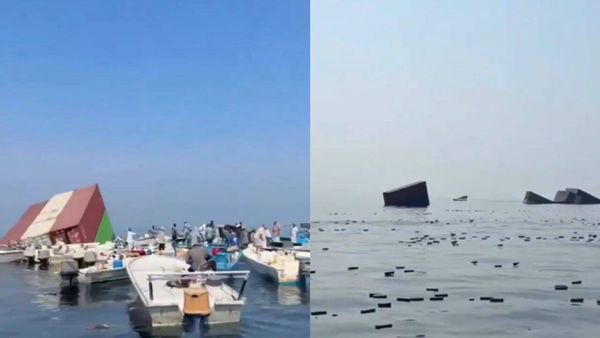
Supermarket bills have yet to increase but a knock-on effect is expected from the closure of the strait of Hormuz, disrupting shipping and in effect halting a fifth of global oil and gas supplies and a third of fertiliser supplies.
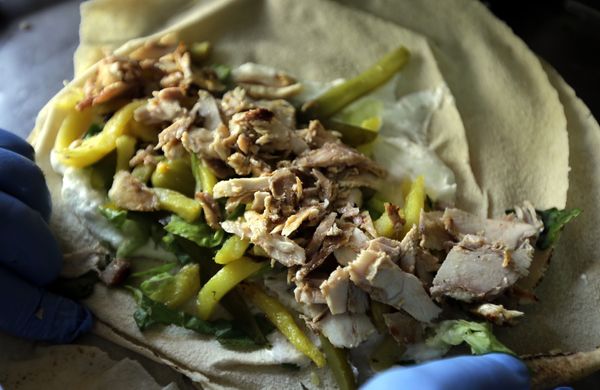
Grain prices are rising and Asian shrimp, dried fruit and nuts will require longer, costlier routes to Europe, according to the commodity price reporting agency Expana. Disruption of Iran’s sizeable exports of pistachio, walnuts, almonds, saffron and dates could also drive up prices.
However, if Brazil’s supply of beef and poultry to the Middle East is rerouted to Europe that could lead to lower prices for European consumers, according to the Association of Independent Meat Suppliers.
Maritime insurance
Leading maritime insurers have cancelled war risk cover for vessels operating in the Gulf with effect from Thursday, but many are expected to offer to reinstate war coverage at new terms. Mutual P&I cover offered by the insurers is unaffected. Marcus Baker, the global head of marine at the insurance broker Marsh, said insurance rates could go up by 50% to 100%, or even more, from 0.25% to 0.5% or 1% of the value of the insured asset.