
Get all your news in one place.
100’s of premium titles.
One app.
Start reading
Times Pets
Times Pets
Aradhana Jha

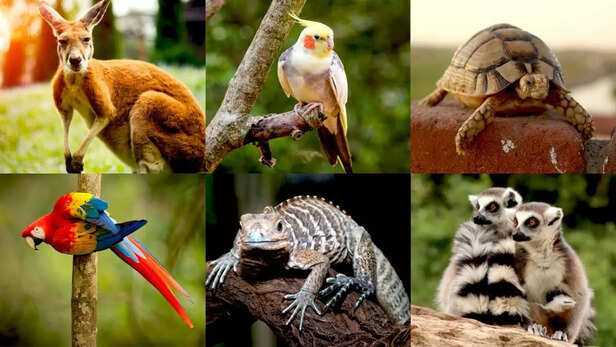
From large wild animals to native birds- pets that are banned in India

India is one of the biologically most diverse nations in the world, with thousands of species of animals and birds. In an attempt to conserve this rich diversity of wildlife, there are very stringent rules and regulations regarding which animals can be kept as pets and which cannot. Here’s a look:

Big cats and large wild animals

Large wild animals such as tigers, lions, leopards, and bears cannot be kept as pets in India. Moreover, there are some species such as the Bengal Tiger and the Asiatic Lion are prohibited as they are endangered species. They need large habitats, special diets, and natural environments that cannot be provided at home.

Reptiles and amphibians

All indigenous species of snakes in India are protected by law. This includes venomous and non-venomous snakes such as the Indian Cobra. Other reptiles such as monitor lizards, crocodiles, gharials, and the Indian star tortoise are also banned from being kept as pets. Even though they are quite common in the exotic pet trade, these animals cannot be kept as pets without a special permit from the government.

Monkeys and other primates

Monkeys and primates are quite common in public places, but this does not mean that they can be kept as pets. Rhesus macaques, langurs, and slender lorises are all protected species. They cannot be caught, sold, or kept in homes. These animals are quite social and intelligent, and removing them from their natural habitat can be quite stressful for them.

Native birds

India also bans the keeping of most native birds as pets. The Indian peacock, which is the national bird of India is a protected species and cannot be kept at home. Moreover, native parrots, parakeets, and owls are also banned from being kept as pets.

Pets that are generally allowed

Domesticated pets such as dogs, cats, rabbits, guinea pigs, hamsters, and exotic pets are generally allowed. However, it is always important to check with the local authorities regarding the same.

Celebrate the bond with your pets, explore Health & Nutrition, discover Breeds, master Training Tips, Behavior Decoder, and set out on exciting Travel Tails with Times Pets!

Sign up to read this article
Read news from 100’s of titles, curated specifically for you.
Already a member? Sign in here
Related Stories
Top stories on inkl right now
One subscription that gives you access to news from hundreds of sites
Already a member? Sign in here
Our Picks
Fourteen days free
Download the app
One app. One membership.
100+ trusted global sources.