Get all your news in one place.
100's of premium titles.
One app.
Start reading
The Conversation
The Conversation
Zak Kassas, Professor of Electrical and Computer Engineering, The Ohio State University

From Hormuz to the cockpit: How warfare and criminal activity undermine GPS and the race to safeguard navigation

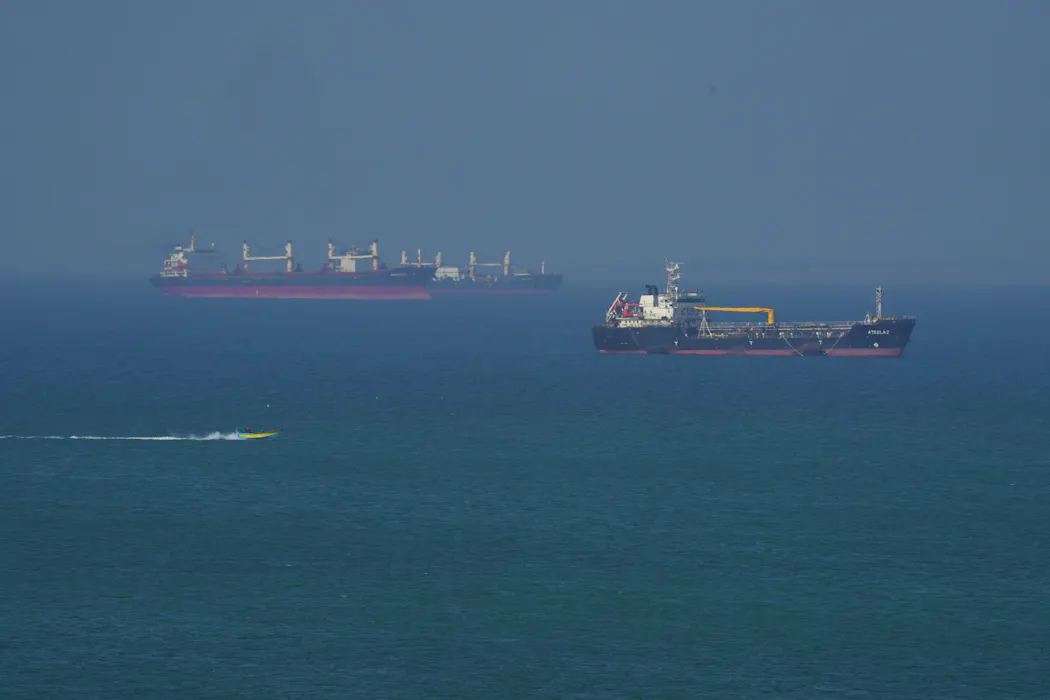
The Strait of Hormuz is just one example of a busy shipping lane where GPS signals are blocked and faked. Asghar Besharati/Getty Images

Few people want to get lost when traveling. But if there are places where being lost feels especially unsettling, they tend to be the sea, desert and sky. These environments share a defining feature: the absence of distinctive visual cues. Where horizons blur, landmarks disappear and every direction can look deceptively similar. Knowing where you are depends on information that you cannot see for yourself.

For most of human history, finding your way in such environments required skill, judgment and constant attention. Satellite navigation marked a fundamental shift. The advent of GPS has made navigation almost effortless: Press a button and voilà, location and heading appear instantly.

Sign up to read this article
Read news from 100's of titles, curated specifically for you.
Already a member? Sign in here
Related Stories
Top stories on inkl right now
One subscription that gives you access to news from hundreds of sites
Already a member? Sign in here
Our Picks
Fourteen days free
Download the app
One app. One membership.
100+ trusted global sources.