The night of 9 November 1989 was undoubtedly one of the most dramatic of the 20th century. The Berlin Wall in Germany – the armed border that had separated citizens of East and West Berlin since 1961 – was finally opened, kickstarting its dismantling. But what should be done with the ghost line that remained? Erase it from memory as if it had never existed?
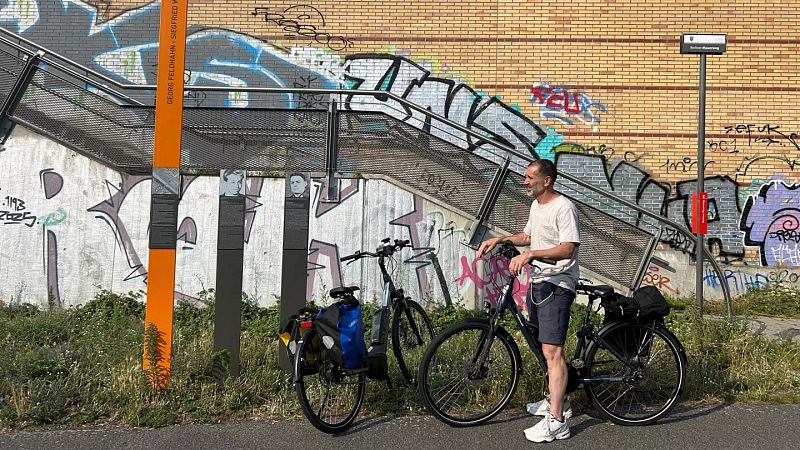
In local politician Michael Cramer’s mind, an alternative idea was beginning to take shape. His vision was to retain some of the border’s components and to make a trail of its 160-km-long outline that would be more than a place of recreation for Berliners. It could be a memorial against division, and perhaps a place to teach future generations about the wall’s human stories.