
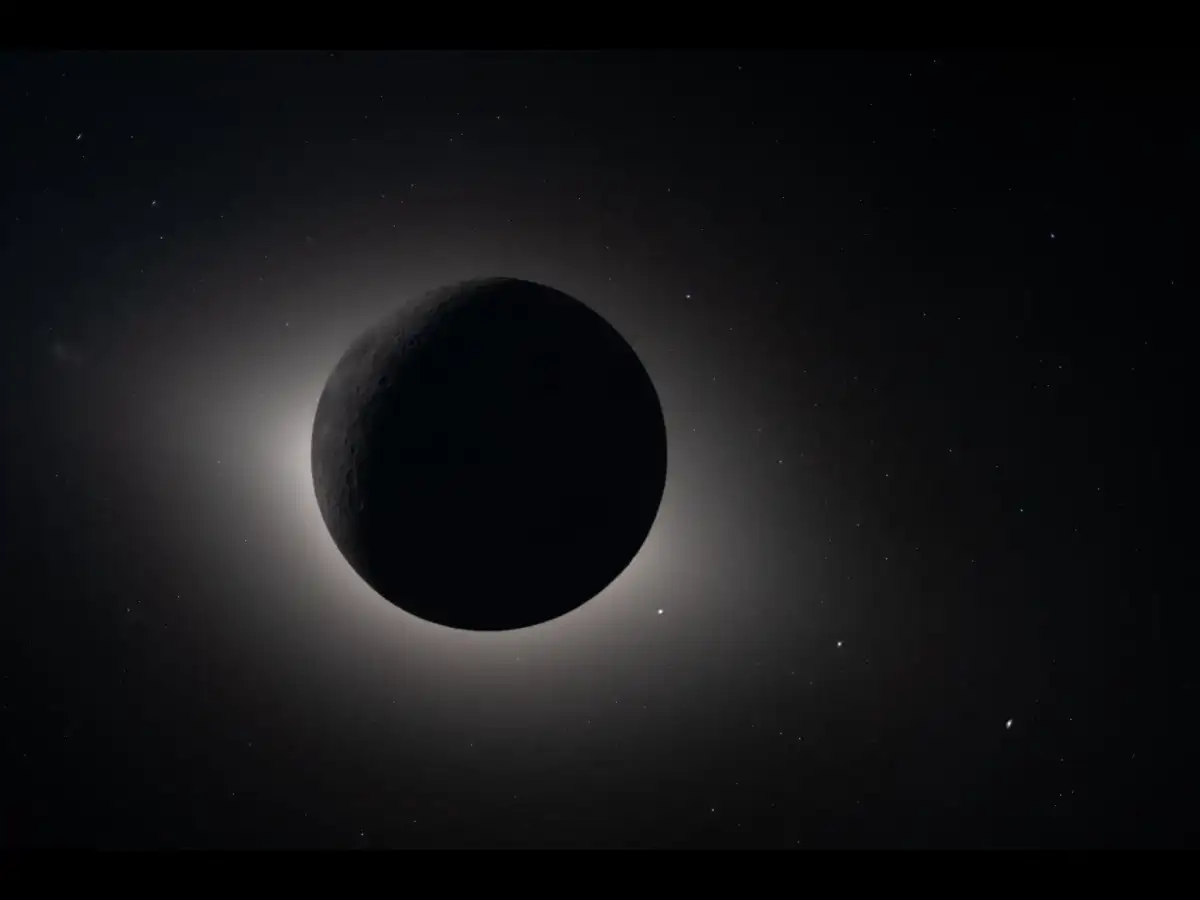
Long before eclipses became a subject of modern astronomy, they were recorded in rock carvings, ancient manuscripts and religious texts. Across thousands of years, humans have watched the Sun and Moon disappear from the sky and tried to understand what these rare events meant.
According to a blog post in NASA's website, one of the earliest possible records of an eclipse dates to November 30, 3340 B.C.E. at the Loughcrew Megalithic Monument in County Meath, Ireland. Archaeologists discovered spiral-shaped and circular petroglyphs carved into the rocks. In front of one carving showing overlapping concentric circles, they also found the charred remains of nearly 50 individuals. Researchers continue to debate what the carvings represented and whether they were connected to an eclipse.














