Get all your news in one place.
100’s of premium titles.
One app.
Start reading
The Free Financial Advisor
Amanda Blankenship

From $37K to $8 Million: The Staggering Evolution of Super Bowl Ad Costs

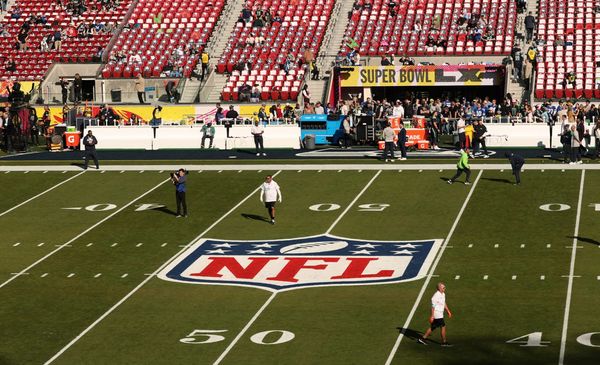
Image Source: Shutterstock

Super Bowl ad costs have transformed from a modest marketing expense into one of the most expensive investments in modern advertising. What started as a $37,500 to $42,500 price tag for a 30-second spot in 1967 has ballooned into an unprecedented average of $8 million to over $10 million for a 30-second spot in 2026.

Brands aren’t just paying for airtime. They’re paying for cultural impact, global reach, and the chance to dominate social media for days. The Super Bowl has become the one event where commercials are as anticipated as the game itself, driving demand and prices higher every year. Let’s take a look at the evolution of Super Bowl ads and how far they’ve come over the years.

The Early Days: When Ads Were Cheap and the Audience Was Small

In the first Super Bowl, advertisers paid just $37,500(ish) for a 30‑second spot, a number that seems almost unbelievable today. The game wasn’t yet a cultural juggernaut, and networks had no idea how valuable the event would become.

Super Bowl ad costs were low because the audience was modest and the stakes were minimal. Brands treated the game like any other broadcast, not a once‑a‑year marketing spectacle. Those early years laid the foundation for what would eventually become the most coveted advertising real estate in the world.

The 1980s: When Creativity Began Driving Prices Up

The 1980s marked a turning point as companies realized the Super Bowl was the perfect stage for bold, memorable advertising. Apple’s iconic “1984” commercial changed the game by proving that a single ad could become a cultural moment.

As creativity surged, so did demand, pushing Super Bowl ad costs higher each year. The cost of a 30-second Super Bowl ad in the 1980s grew from approximately $222,00 in 1980 to roughly $675,500 by 1989. Brands began competing not just for attention but for bragging rights. This era cemented the idea that the Super Bowl was more than a game; it was a marketing battlefield.

The 1990s: Cable TV Growth Expanded the Audience

As cable television exploded, the Super Bowl audience grew dramatically, and advertisers took notice. More viewers meant more value, and Super Bowl ad costs climbed accordingly. Companies realized they could reach tens of millions of people at once, something no other broadcast could offer.

The game became a unifying cultural event, drawing families, casual viewers, and non‑sports fans. With demand rising, networks had no trouble increasing prices year after year. Prices grew from approximately $700,000 in 1990 to over $1.6 million by 1999.

The 2000s: The Internet Amplified Every Commercial

The rise of the internet created a new multiplier effect for Super Bowl ads. Suddenly, commercials didn’t just air once. They lived online, were shared on forums, and became early viral sensations. This extended lifespan made Super Bowl ad costs easier for brands to justify.

Companies could measure engagement in new ways, tracking views, shares, and online buzz. The digital era turned Super Bowl ads into multi‑platform events, driving prices even higher, ranging from approximately $2.1 million to just under $3 million from 2000 to 2010.

The 2010s: Social Media Turned Ads Into Global Events

Social media transformed Super Bowl commercials into worldwide cultural moments. Platforms like Twitter, Facebook, and YouTube allowed ads to reach millions before the game even started. Brands began releasing teasers, behind‑the‑scenes clips, and extended versions to maximize exposure.

This shift made Super Bowl ad costs more valuable than ever because the return on investment expanded far beyond the broadcast. That made it worth $5 million for a 30-second spot by 2019. The game became the centerpiece of a month‑long marketing campaign.

The 2020s: Streaming and Fragmented Media Made the Super Bowl Even More Valuable

As traditional TV viewership declined across the board, the Super Bowl became one of the few events that still commanded a massive live audience. In a world of on‑demand content, the game remained appointment viewing.

This scarcity made Super Bowl ad costs skyrocket, reaching more than $8 million for a 30‑second spot. Brands were willing to pay because no other event could guarantee such a large, engaged audience. The Super Bowl became the last true “mass media moment” in American culture.

Brands Now Spend More on Production Than the Ad Slot Itself

Today, many companies spend more on producing the commercial than they do on the Super Bowl ad costs themselves. Celebrity cameos, elaborate sets, and cinematic storytelling have become the norm. Brands know that a memorable ad can generate massive online engagement and long‑term brand recognition. The production arms race has turned Super Bowl commercials into mini‑movies. This trend reinforces the value of the ad slot and keeps prices climbing.

Additionally, the Super Bowl is no longer just an American event; it’s watched worldwide. International audiences tune in for the spectacle, the halftime show, and the commercials. This global reach makes Super Bowl ad costs more justifiable for multinational brands. Companies see the game as an opportunity to connect with consumers across continents. The worldwide appeal ensures that demand (and prices) will continue rising.

Why Super Bowl Ad Costs Will Keep Climbing

Super Bowl ad costs reflect more than inflation. They reflect the cultural power of the event itself. As long as the game remains one of the few moments that unites millions of viewers in real time, advertisers will pay whatever it takes to be part of it. The combination of global reach, social media amplification, and cultural prestige keeps demand high. Brands aren’t just buying airtime; they’re buying a place in the national conversation. The evolution from $37,000 to $8 million+ is only the beginning.

Do you think Super Bowl ad costs are worth the investment, or have they spiraled out of control?

What to Read Next

12 Video Games That Can Teach You About Real Financial Situations

Budgeting for Your Kids Sports Participation and Injury Prevention

The Income-Driven Repayment Plans That End July 1, 2028 Under New Law

The $2,000 Average National Homeowner Premium — Highest Share of Mortgage Payment Ever

Why Paying Only the Minimum Creates $4,200 in Interest on a $5,000 Balance

The post From $37K to $8 Million: The Staggering Evolution of Super Bowl Ad Costs appeared first on The Free Financial Advisor.

Sign up to read this article
Read news from 100’s of titles, curated specifically for you.
Already a member? Sign in here
Related Stories
Top stories on inkl right now
One subscription that gives you access to news from hundreds of sites
Already a member? Sign in here
Our Picks
Fourteen days free
Download the app
One app. One membership.
100+ trusted global sources.