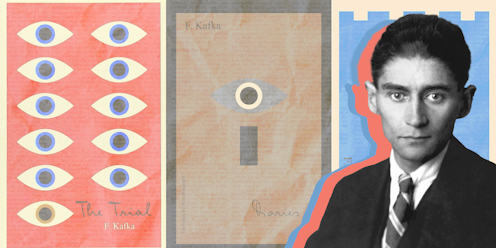
Picture the scene. It is the closing years of the Austro-Hungarian empire, before the Great War changed such scenes forever. A young man with sound prospects is to meet his fiancée’s father for the first time.
The convention of the day would require him to lay out his credentials and his family’s pedigree for the match to proceed agreeably. But in response to the imagined and real interrogation, both of which generate feelings of guilt and shame about his intentions, the young man instead declares to his prospective father-in-law, by way of a letter: “All I am is literature, and I am not able or willing to be anything else.”