More people than ever are looking for the best VPNs, and why wouldn't they? Ongoing internet censorship and increasing online restrictions, have made your data a valuable commodity. If you want to protect it, using a VPN is your best bet, but are free VPNs a genuine solution to this conundrum? There's no hiding that, compared to paid offerings, free services are limited, but this doesn't mean that using a free VPN is never a good idea.
In this guide, we're going to take a look at how free VPNs measure up to paid ones. How do the pros and cons of free VPNs iron out, and what should you expect from a free VPN? Are premium plans always better? Free VPNs can be a great option, but you need to know their limitations before deciding whether or not they're for you. Let's get into it.
There's that old saying that if a product is free, then you are the product. That's true in many cases, but not with the best free VPNs.
However, these do tend to be fairly limited in what they can do, and may not offer what you need. Here are the pros and cons.
Pricing
The best things in life are free. It's hard to get away from this quite extremely beguiling point. You get privacy and a protected internet connection when browsing from public Wi-Fi, in exchange for, well, nothing. However, this is more of an incidental benefit than it may appear.
While our favourite free VPNs, like Proton VPN Free, Windscribe Free, or PrivadoVPN Free, offer some great features, they do tend to be slightly neutered in contrast to their paid offerings – think sluggish speeds, limited bandwidth, fewer server locations, and a lack of extra features.
While the security is just as tight, it may not do exactly what you need it to do. Paid VPNs don't need to break the bank: both PrivadoVPN and Surfshark offer you their premium protection for as little as $2 per month.
Paid-for VPNs also come with 30-day money-back guarantees, allowing you a risk-free trial of the service before committing.
Security & Privacy
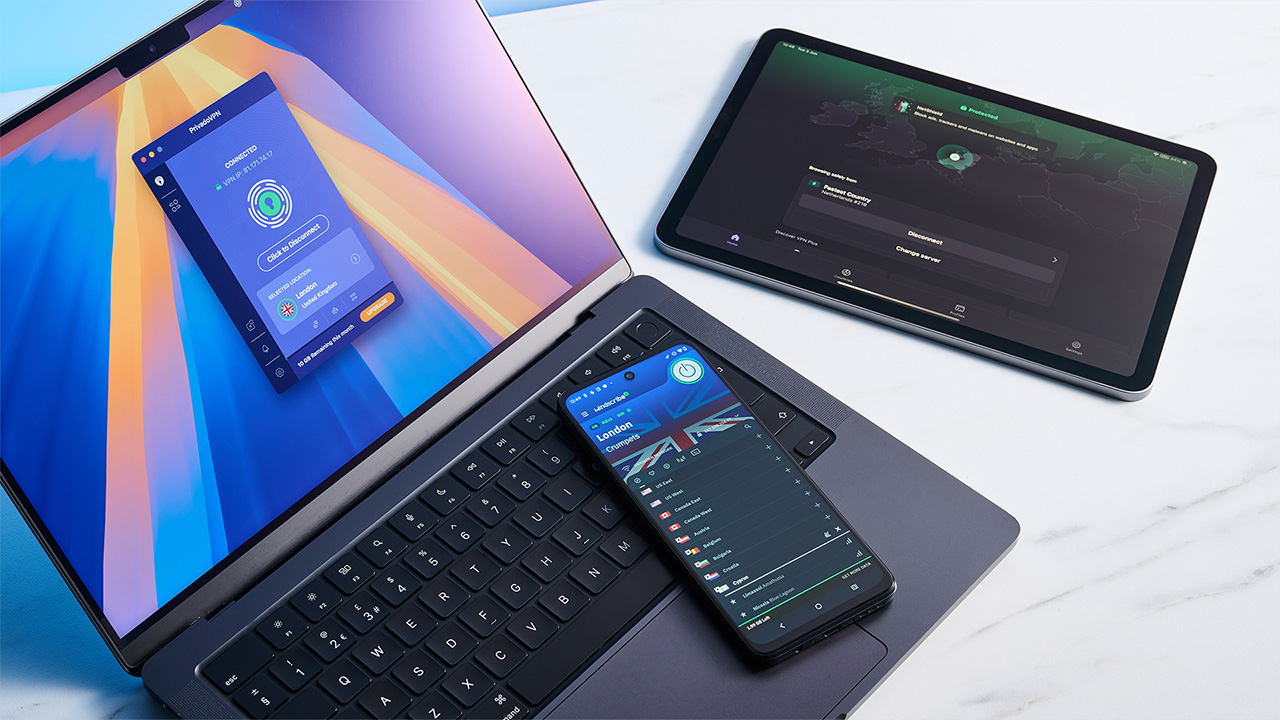
The best free VPNs out there offer the same encryption standard as their paid offerings, effectively letting you try before you buy. They also tend to offer key, core VPN, features like kill switches, which block internet traffic when you're not connected to a VPN.
However, some unscrupulous free VPNs are actually Trojan horses for malicious software. This means downloading them can infect your device with malware, and even allow hackers to steal your private information. Other less reputable free VPN services can host ads or monitor your traffic, effectively ruining any privacy benefits that you'd get from using a VPN in the first place.
If you are concerned about privacy, one of the key reasons that Tom's Guide readers use a VPN, a free service can absolutely help you, as long as it's reputable. However, even among the best free VPNs, there tend to be more privacy-focused features included in the paid version. For example, if you want access to multi-hop capability, where your traffic is routed through multiple VPN servers to further disguise its origin, you'll usually need to cough up.
If resisting censorship is your key concern, you'll need to make sure that any free VPN that you use includes obfuscated servers, which our top three picks do. These attempt to hide the fact that you're connected to a VPN to circumvent any restrictions placed on VPN usage.
Beyond that, you should also ensure that your VPN doesn't keep logs. Ideally, this will have been audited by a third party or proven in court, as happened with Windscribe.
Features & Quality of Service
Here's the thing: the best-case scenario with free software is that is does not store or sell your data, and actually anonymizes you on the internet. It's almost unfair to expect them to match the extent of the feature sets, usability, and performance of premium services – that's not what they're built for in the first place.
Free services will give you access to very few servers. For example, compared to its paid version which comes with 19.000+ servers in 145 countries, Proton VPN’s free plan allows access to just 10 server locations – and you can't even pick which server you use in each location.
While fewer servers won’t impact your online privacy, it can result in overcrowded servers and poor speeds. So, if activities such as gaming, streaming, or torrenting are your mainstays, this could pose a massive problem.
Also, since you can’t always connect to a location of your choice, travellers may struggle to find value in free products, if they, for example, want to stream content from their home country while abroad.
Another limitation is that they’ll hardly ever cover more than just a single device. On the other hand, premium services, even on their most basic plans, usually come with at least 10 simultaneous connections. Then there are also providers such as Surfshark and Private Internet Access that can cover an unlimited number of devices on a single subscription, making them ideal for large households with tons of devices.
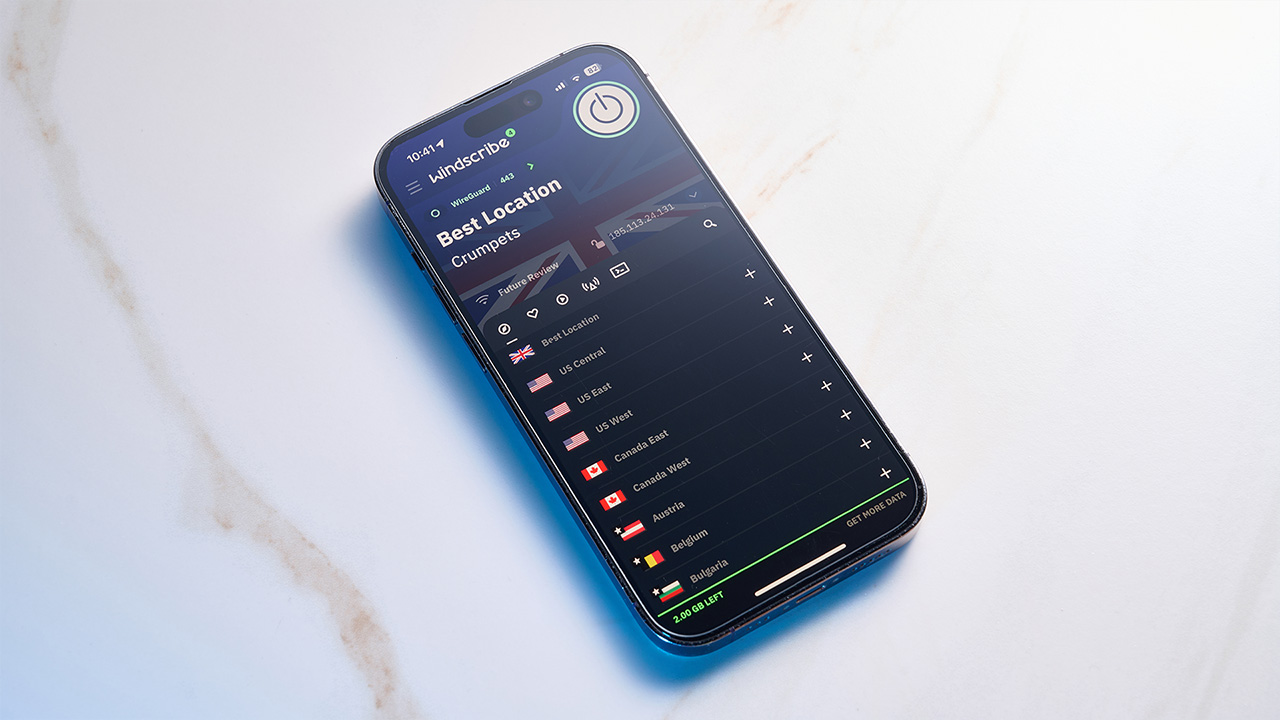
You'll encounter data limits with some otherwise great free VPNs. Windscribe Free has a 10 GB, with an extra 5 GB available if you tweet about Windscribe. PrivadoVPN Free has a 10 GB monthly limit. This is more than enough for daily browsing, but if you're streaming, you're data will disappear very quickly.
The entire user experience overall may also be poles apart. Since free products have to make money from somewhere, they can drown you in pesky ads or send constant notifications to get you to upgrade to the paid version. Not only is this not the case with premium VPNs, but they also offer quick customer support as well as an in-depth knowledge hub that will help you out in case you face any issues.
Streaming
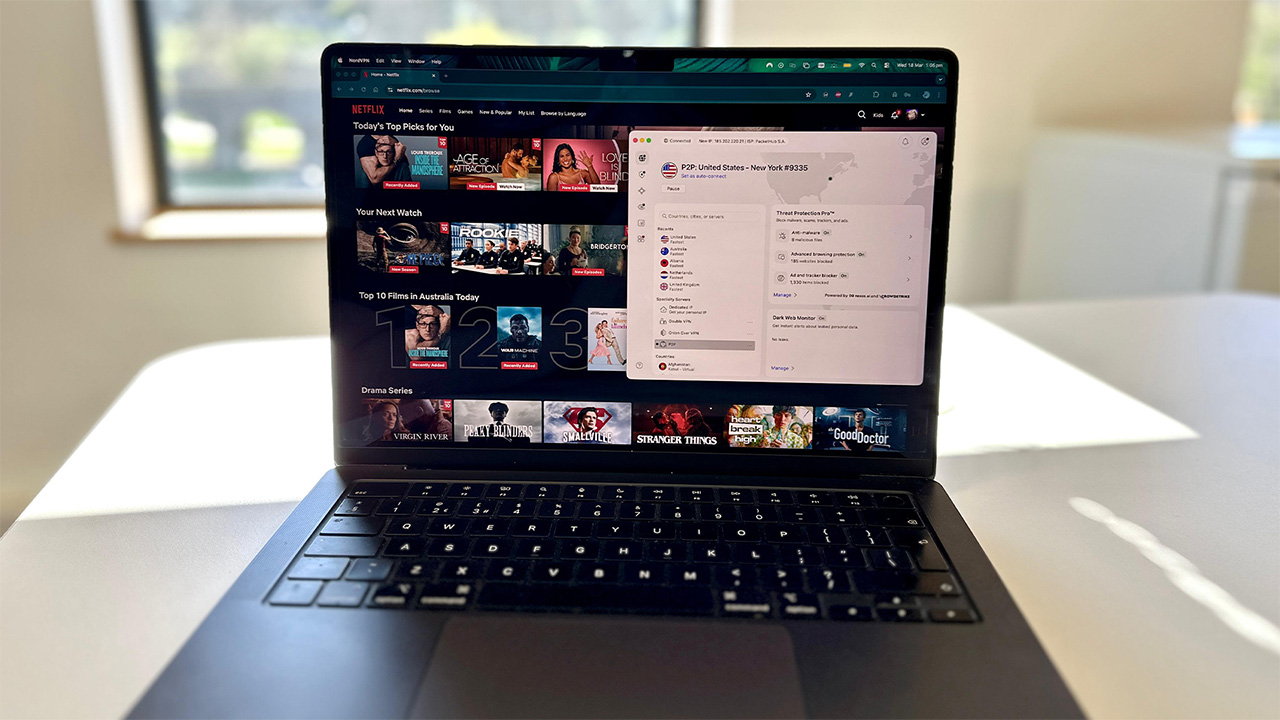
Barely any free providers are up to scratch when it comes to unblocking foreign content. Firstly, there's no quality option that offers servers in a wide range of countries. Secondly, the ability to unblock streaming sites is almost always kept back for the paid version of these apps. Together, this means that you can pretty much forget about bypassing geo-restrictions on your favorite streaming services with a free service.
Those that do unblock streaming sites, such as PrivadoVPN Free and Windscribe Free, cover only a few sites and come with data limits, so "binge watchers" should stay away – fine for the occasional streamer, though.
If you want to access content from all over the world, irrespective of whether that’s the Aussie 9Now or hard-to-crack locations like Netflix Japan, a paid-for VPN is the obvious choice.
The best streaming VPNs spoof your location and can unblock almost all major streaming sites. This means you can watch whatever you want, wherever you want.
Free vs Paid VPNs: bottom line
All in all, free or freemium VPNs make sense for users who are not looking for anything more than basic (and occasional) privacy and security on the internet.
If you have a dedicated use case that requires picking certain servers, such as streaming, gaming, traveling, or torrenting, or if you're someone who likes to browse with the VPN on at all times, that’s when switching to a paid service becomes necessary.
For those who want extra privacy for your browsing and don't really care where you connect to, free VPNs make a lot of sense – particularly Proton VPN Free, as it lacks the data cap that you'll find with PrivadoVPN Free or Windscribe Free.
That said, the fact that a lot of excellent paid VPNs are very budget-friendly, makes them a better choice than free tiers – which are limited at their best and outright unsafe at their worst.
Premium plans come with extra security tools and the ability to protect your entire family, making them a comprehensive security kit and a one-stop solution for all things cybersecurity and privacy.
Ultimately, the choice comes down to your use case. If you can handle data limits for occasional secure browsing or downloading, or don't particularly care where you connect to, a free VPN is likely all that you need. If you want more than that, you'll need to pony up some cash. Don't despair, though: we've always got our eyes open for the best VPN deals to help you save some cash.
We test and review VPN services in the context of legal recreational uses. For example:1. Accessing a service from another country (subject to the terms and conditions of that service).2. Protecting your online security and strengthening your online privacy when abroad.We do not support or condone the illegal or malicious use of VPN services. Consuming pirated content that is paid-for is neither endorsed nor approved by Future Publishing.