Most shoppers view a bad grocery purchase as a sunken cost. If you buy a carton of strawberries that goes moldy the next day or a steak that is tough and chewy, you likely just throw it away and grumble about the waste. However, you are literally throwing cash in the trash. Major grocery chains have aggressive “Freshness Guarantees” designed to build trust, and many of these policies offer more than just a refund—they offer free store credit or double-your-money-back. Knowing the specific terms of your store’s policy can turn a bad shopping trip into a profitable one.

The “Double Your Money” Guarantee
Certain chains, such as Harris Teeter and some regional Kroger affiliates, have historically offered a “Double Guarantee.” If you buy a private-label item (the store brand) and are not satisfied with it for any reason, they will refund your money and give you a replacement item for free. Some policies even refund you double the cash value. This is designed to remove the risk of trying the store brand. If you try the generic cereal and hate it, returning it effectively pays you for the experiment.
The Aldi “Twice as Nice” Promise
Aldi has perhaps the most famous policy in the industry. If you return a product you are unhappy with, you get 100% of your money back plus a free replacement product. This applies to almost everything in the store. If you buy a bag of avocados and they are brown inside, bring them back. You will walk out with your cash in hand and a fresh bag of avocados. It is essentially a 200% value recovery on a bad purchase.
Digital Refunds Without the Trip

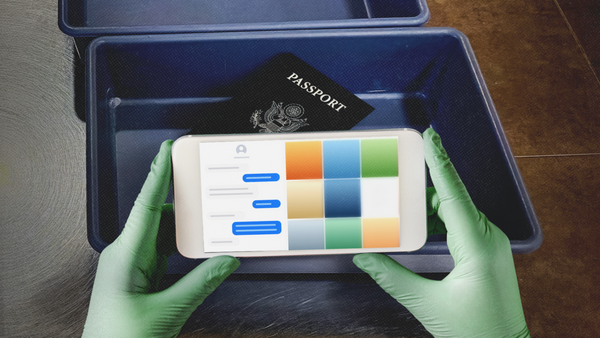
Modern grocery apps have made claiming these credits easier than ever. You often do not even need to drive back to the store. Apps for stores like Kroger, Target, and Walmart allow you to start a return or report an issue digitally. If an item was damaged in a delivery or pickup order, you can mark it as “damaged” in the app, and the system will frequently issue an instant credit to your account without requiring you to return the physical item. This “frictionless refund” is often capped at a certain dollar amount per year, but it is perfect for the occasional crushed loaf of bread or leaked milk jug.
The “Freshness” Window
Stores like Whole Foods and Trader Joe’s have incredibly lenient return windows. You can return an item simply because you didn’t like the taste, even if there is nothing technically wrong with it. They want you to trust their curation. If you bought a weird new snack and it tasted terrible, that is a valid reason for a refund. They would rather give you the $4 credit than have you afraid to try new items in the future.
Keep Your Receipt (or App)
The key to unlocking these policies is proof of purchase. While some stores can look up your receipt with your loyalty card, having the physical receipt or the digital transaction record on your phone guarantees the refund. Without it, you might be limited to store credit for the lowest current sale price.
Claiming Your Right
These policies are part of the marketing budget for the store. They expect a certain level of returns and budget for it. By not claiming your refund on bad food, you are subsidizing their profits. Don’t be shy; if the food wasn’t good, get your credit.
What to Read Next
8 Brands That Stopped Offering Refunds Without Telling Anyone
Free Sample Dove Hair Therapy AND a Money Back Refund
6 Store Policies That Can Help You Score More Grocery Deals
Front-End Staff Say New Bagging Policies Are Slowing Down Lines
Best and Worst Store Policies: Here Are the 5 Most Shopper-Friendly and 5 Most Deceptive Rules
The post Free Grocery Store Credit Hidden in Refund Policies appeared first on Grocery Coupon Guide.