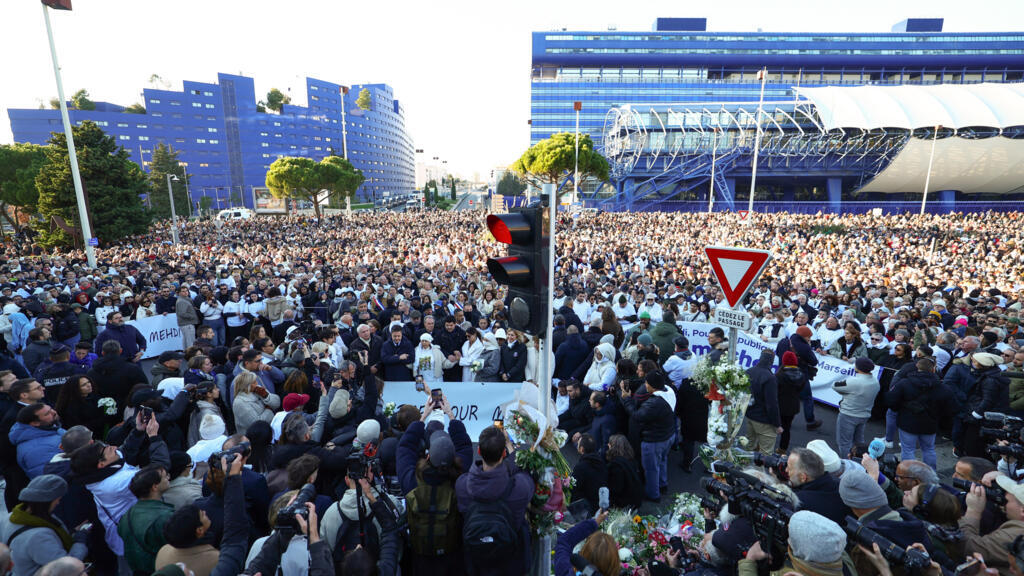
France has a new tribunal specifically to investigate organised crime as part of an ongoing fight against crime and drug trafficking, which has claimed an increasing number of victims in France.
The National Prosecutor’s Office for Organised Crime (Pnaco), which was established by the anti-narcotics law adopted in June, gives investigators additional tools.

These include the ability to remotely activate mobile phones for surveillance, and investigators are allowed to keep certain details and investigation techniques from being disclosed from suspects using a so-called “sealed file”.
Preventing drug, human trafficking
Prosecutor Vanessa Perrée said these new methods are needed because organised crime involves “extremely dangerous individuals” who “undermine social order”.
“Like jihadist groups, traffickers increasingly recruit young minors via social media,” she told the French news agency AFP at the launch of the Pnaco, adding that they are lured by “derisory sums of money to take a human life”.
The new prosecutor’s office will initially take over 170 cases that include drug trafficking, human trafficking, pimping and armed robbery.
It will take over investigations into the 2024 prison escape of drug trafficker Mohamed Amra, in which two prison officers were killed, as well as the deadly shipwreck in the English Channel in 2021 that claimed the lives of 31 migrants and a series of kidnappings in 2025 linked to cryptocurrencies.
More resources
These cases had previously been handled by the National jurisdiction for the fight against organised crime, which was created in 2019 with the same aims.
The Pnaco benefits from closer cooperation with local prosecutors and increased resources, including sixteen magistrates – six specialising in organised crime and six in financial crime. Another ten magistrates are due to join in September.
Lawyers have raised concerns about how the new measures could infringe defendants’ rights. But Perrée said they are all are lawful and subject to judicial oversight.
“We operate within the rule of law,” she said, stressing that all procedures must be authorised by a judge.
“Yes, custody periods are longer and we use special investigative techniques, but they are proportionate to the stakes, the resources involved and the danger of these traffickers.”
What France can learn from Italy's fight against organised crime
Follow the money
One of the central challenges is money. Drug trafficking in France involves an estimated €6 billion a year, and tracking financial flows is essential, particularly given the risk of corruption.
“We have seen cases involving court clerks and prison officers,” Perrée noted.
Organised crime is increasingly transnational, underlining the importance of closer cooperation with other countries.
“We still have a lot of work to do with the Emirates,” Perrée said, particularly when it comes to tracing “cash and crypto-funded property purchases”.
She also highlighted the “necessary cooperation with countries in the Maghreb”, with the aim of making the Pnaco France’s “single point of contact” internationally for these complex cases.
(with AFP)