
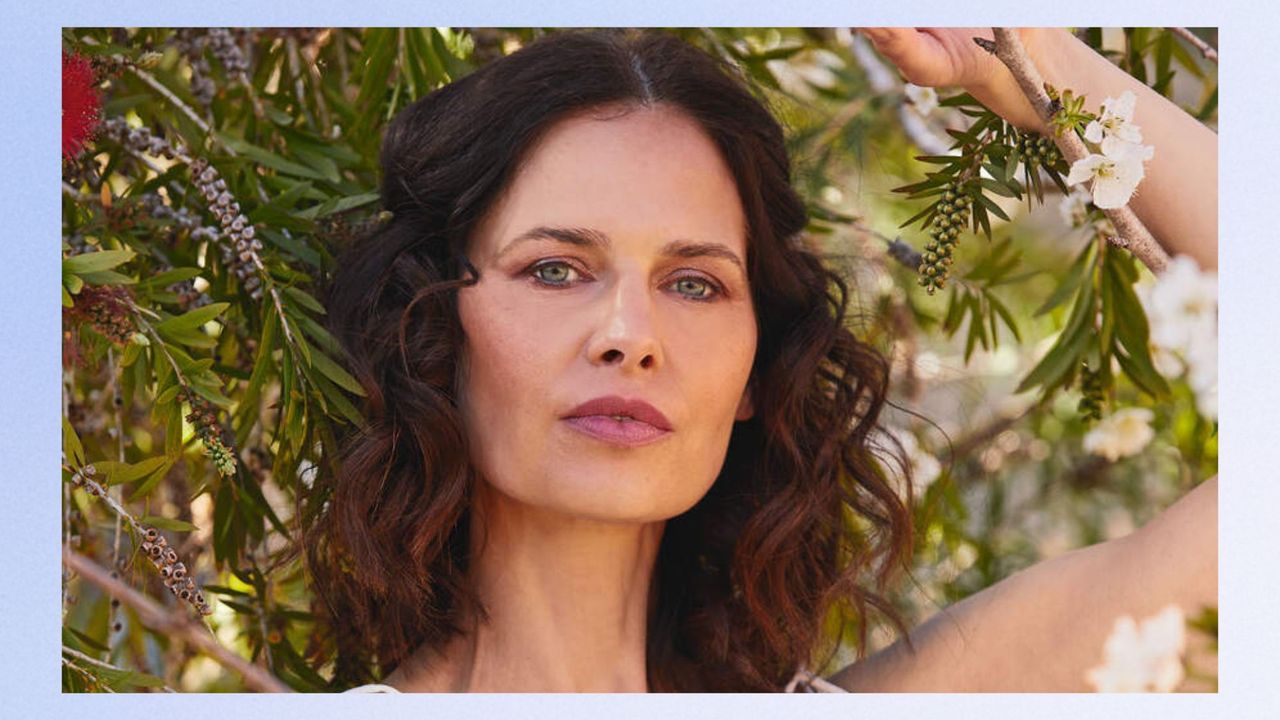
Our skin changes as we age, so it’s only natural that our makeup routine should evolve too.
The full-coverage foundation that once sat so seamlessly on your skin, you may now find clings to dry patches, settles into expression lines, or leaves it looking flat rather than radiant. Of course, there’s nothing wrong with the formulas you’ve always loved, but often it’s the application techniques (alongside a few strategic product swaps) that make the biggest difference on mature skin.
As Aimee Connolly, makeup artist and founder of Sculpted by Aimee, tells us: “Certain products will help distract from texture and give skin a fresher finish.” Visible texture is one of the most common concerns when applying foundation to mature skin, along with creasing, dryness and cakiness. Ahead, Connolly shares her top three tips for achieving a smoother, more radiant base.
Tip 1: Don’t underestimate the power of skin prep
The skin’s ability to retain moisture diminishes with age, leading to increased dryness and more visible texture. That’s why, according to Connolly, hydration should be the focus before makeup touches the skin. “You really want to bring bounce and plumpness back into the complexion,” she explains. “That can come from your skincare prep, or from using a moisturising primer underneath foundation.”
Start with one of the best hyaluronic acid serums before applying your face moisturiser – ideally one formulated with humectants and barrier-supporting ingredients such as ceramides. “Hydrating skincare helps soften the appearance of texture and dryness, creating a smoother canvas for makeup application,” says Connolly. Allow enough time for each layer to absorb fully, as rushing this step can lead to pilling, slipping and separation later in the day.
“I would never underestimate the power of the products you use underneath foundation and how that affects the way makeup sits on the skin,” she adds. When it comes to foundation itself, Connolly recommends steering away from formulas that feel “overly mattifying or super dry”, as these can emphasise dehydration and leave the complexion looking flat rather than naturally luminous. Instead, look for lightweight foundation that melts seamlessly into the skin and leaves behind a healthy glow.
Tip 2: Swap powder textures for creamier formulas
Flat, matte, powder formulas tend to settle into fine lines and exaggerate dryness – which is why Connolly recommends opting for creamier products.
“You don’t have to choose an oily finish, but something that has a freshness to it is really going to help distract from texture, rather than cling to it,” she explains. Lightweight liquids and tinted moisturisers are your best friend here, as they’ll deliver that real-skin finish.
“You don’t need to take your foundation to the perimeters of the face,” says Connolly. “Focus on the centre and buff it out where needed, allowing your skin to shine through.”
Foundation aside, Connolly also swears by cream blush, saying it “absolutely works” for mature skin, helping to bring warmth and dimension to the face. The key is to apply with a lighter hand and build colour gradually, rather than applying too much product at once.
Another bonus is their versatility. A balmy blush can be tapped onto cheeks, lips and even eyelids for a soft, cohesive makeup look, while the subtle sheen helps give skin a luminous finish – often removing the need for highlighter altogether.
Tip 3: Be targeted with powder
For many of us, setting powder is a non-negotiable step in our makeup routine – but overdoing it can often be the very thing making mature skin look drier and more textured, according to Connolly. “Particularly for an age group who are used to growing up with powder, there’s an allegiance to, ‘My makeup doesn’t last without this, and I need to put it everywhere,’” she explains. “But actually, too much powder will just set down and cause dehydration.”
Instead of dusting powder across the entire face, Connolly recommends taking a more targeted approach – only setting the areas where makeup is most likely to crease or move throughout the day, such as around smile lines or underneath the eyes. Using a small fluffy brush or puff, gently press a minimal amount of product into these areas rather than sweeping it broadly across the skin.
“Choose a more modern formula that’s not going to dry you out,” Connolly advises, recommending finely milled powders that feel lightweight and breathable on the skin rather than overly matte or talc-heavy options. The goal, she says, isn’t to remove every trace of shine, but simply to lock makeup in place while still allowing skin to look radiant.