
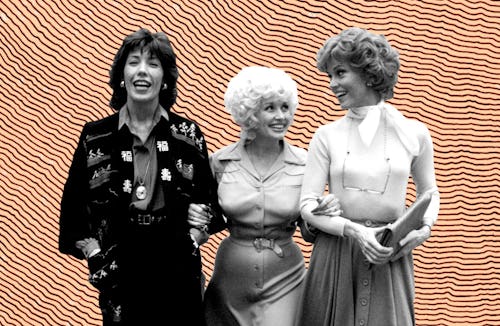
The first time I watched 9 to 5, the iconic 1980 workplace comedy starring Jane Fonda, Dolly Parton, and Lily Tomlin, I was electrified. I was in my early 20s, working my first real job after college as a reporter and being disabused of my romantic notions of office life. Like other naive millenials I believed that work was supposed to be a primary source of fulfillment in my life. I hadn’t accounted for the persistent disappointments and injustices of an entry-level job, or even more insidious, the poisonous power dynamics that require the lowest-level workers to spend their time managing the egos of their overlords.
9 to 5 was a revelation. My problems weren’t just mine, they were decades in the making. The film, about a trio of female office workers who exact revenge on their cartoonishly evil male boss, was made in an era when the workplace was being transformed by droves of women joining for the first time. Remarkably, it was eerily prescient about the problems that would plague working women for decades to come.