
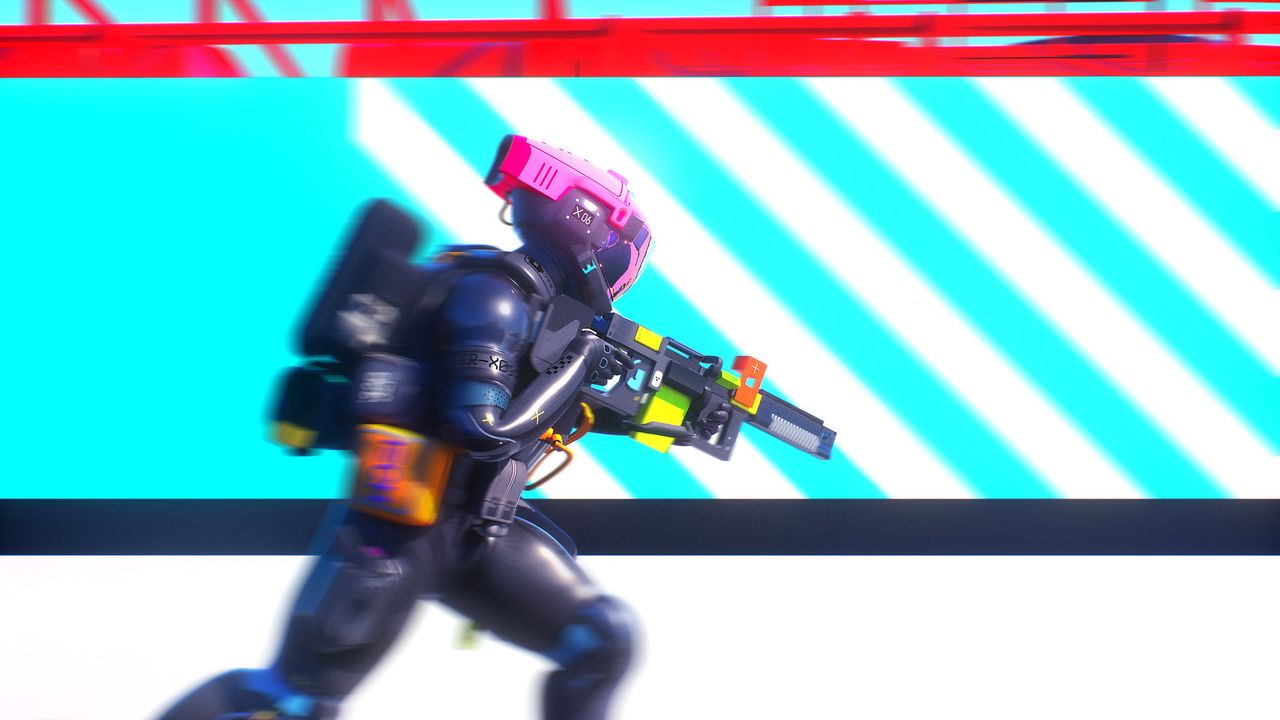
Following the recent leak of a new trailer for Bungie's upcoming sci-fi extraction shooter Marathon, the Destiny 2 developer opted to officially reveal the game's release date earlier this week. It's officially scheduled to release on March 5, 2026 across Xbox Series X|S, Windows PC, and PS5, with preorders available now.
Originally slated to come out last September, Bungie delayed Marathon after the poor reception of its Closed Alpha testing last spring, with many voicing concerns about shallow gameplay depth, the lack of highly desired features like proximity chat, and a flat visual aesthetic that lacked atmosphere. And, y'know, the whole art theft controversy.

December brought a huge re-reveal of Marathon that showed how the developer has extensively addressed all of these problems and more, however, leading to a significant amount of hype for the FPS building. That's culminated in Marathon preorders soaring to the top of Steam's Top Sellers and PlayStation's preorders lists, forecasting a successful launch.
In terms of mindshare and public reception, it's a huge comeback for a relatively unknown property (the old Marathon games were pretty niche and made in the '90s) that got off to a rocky start. But Joseph Cross, Marathon's former art director, questions how long risky and "unproven, unknown projects" like the extraction shooter will be afforded space to develop.
"Marathon is such a massive project. The studio took such a risk on this. You know, often times we felt like we were sort of getting away with something," he told ReaderGrev in a recent interview. "And I think about that in the big picture, the idea of studios funding unproven, unknown projects for six or eight years, for hundreds of millions of dollars, sort of on spec. How much longer are things like this going to exist? I’ve been part of a couple of them now."

Cross went on to note that as a developer, "it's not always intuitive" to think about the financial details of your project or the pressure to deliver a profitable product, as that mindset can impede creativity and drive you to avoid anything that seems risky. Instead, sometimes you have to "put on the armor of art and have faith in your perspective."
"It's not always intuitive to remember that above all of this is this product that's being funded and every day that goes by is a day you're going further into the red. You're not making money. The studio is not making any money," he said. "And so anyway, that's a big one, especially when you're really trying to channel creativity and get to the point where you feel like you can't impose anything that feels like a risk."
"I mean, what a mind f*** that is, right? That's where you have to sort of put on the armor of art and have faith in your perspective and experience as an artist. All great art, commercial art anyways, it’s doubted and there’s a level of skepticism — until there’s not," he continued.
It's hard to argue against that perspective when bold new IPs like Clair Obscur: Expedition 33 and ARC Raiders are dominating game award shows and player count charts, with other creative properties like Hi-Fi Rush, Dispatch, and Blue Prince making huge waves, too. Elden Ring, arguably the current game of the decade, was a high-risk push into the open-world genre by FromSoftware.
And yet, Cross' words suggest there's a growing sentiment among publishers that fortune does not favor the bold, and that risk tolerance in game development is on the decline. I sincerely hope this isn't the case; "safe" sequels and remakes or remasters are all well and good, but titles that bravely try new ideas and push the medium forward are truly the best of what gaming has to offer.

What do you think about Cross' comments? Do you believe it's important for game publishers to be more tolerant of risk as they support the development of new titles, or do you think they should be more reserved in choosing what to greenlight? Let me know in the comments.

Follow Windows Central on Google News to keep our latest news, insights, and features at the top of your feeds!