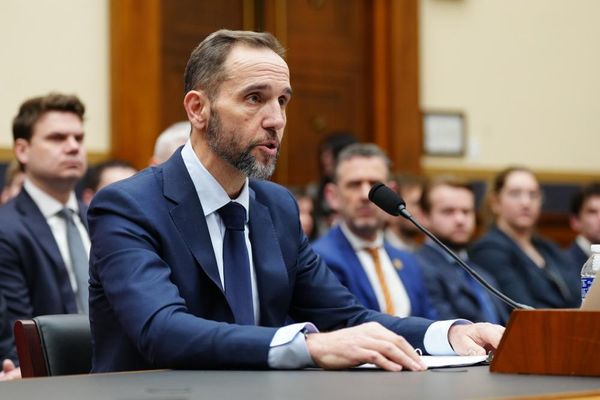
A recent hearing involving a former Deputy Assistant Attorney General shed light on the complexities surrounding the decision not to prosecute President Biden for allegedly mishandling classified information. The former official, referred to as 'her' in the transcript, emphasized that Justice Department policies prevent the prosecution of a sitting president. Additionally, concerns were raised about President Biden's mental state and whether a jury would find him capable of violating the law.
The hearing revealed that the special counsel relied on recorded conversations where President Biden discussed coming across classified documents, suggesting a potential breach of protocol. However, the decision not to pursue charges was attributed to doubts about President Biden's cognitive abilities rather than a lack of evidence.
While some Democrats criticized the former official for not prosecuting President Biden, Republicans focused on the perceived disparity in treatment between Biden and former President Trump. They questioned why Biden's mental state was considered a barrier to prosecution while other presidents had faced legal consequences for similar actions.


Despite the contentious nature of the hearing, the former official maintained a professional demeanor and explained the standard prosecutorial approach to the case. The discussion also touched on broader issues of presidential accountability and the challenges of balancing legal considerations with political implications.
In conclusion, the hearing underscored the complexities of investigating high-profile figures and the nuanced factors that influence prosecutorial decisions. The debate over President Biden's handling of classified information and the implications for presidential accountability continue to be subjects of public interest and scrutiny.