2025 might have just been the biggest year for Meta as far as generative AI is concerned. The Facebook maker pulled out all the stops to further its advances in the ever-evolving landscape — from reportedly poaching top AI talent from rival research labs like OpenAI to investing $14.3 billion in Scale AI and hiring CEO Alexandr Wang to co-lead operations in its new superintelligence lab.
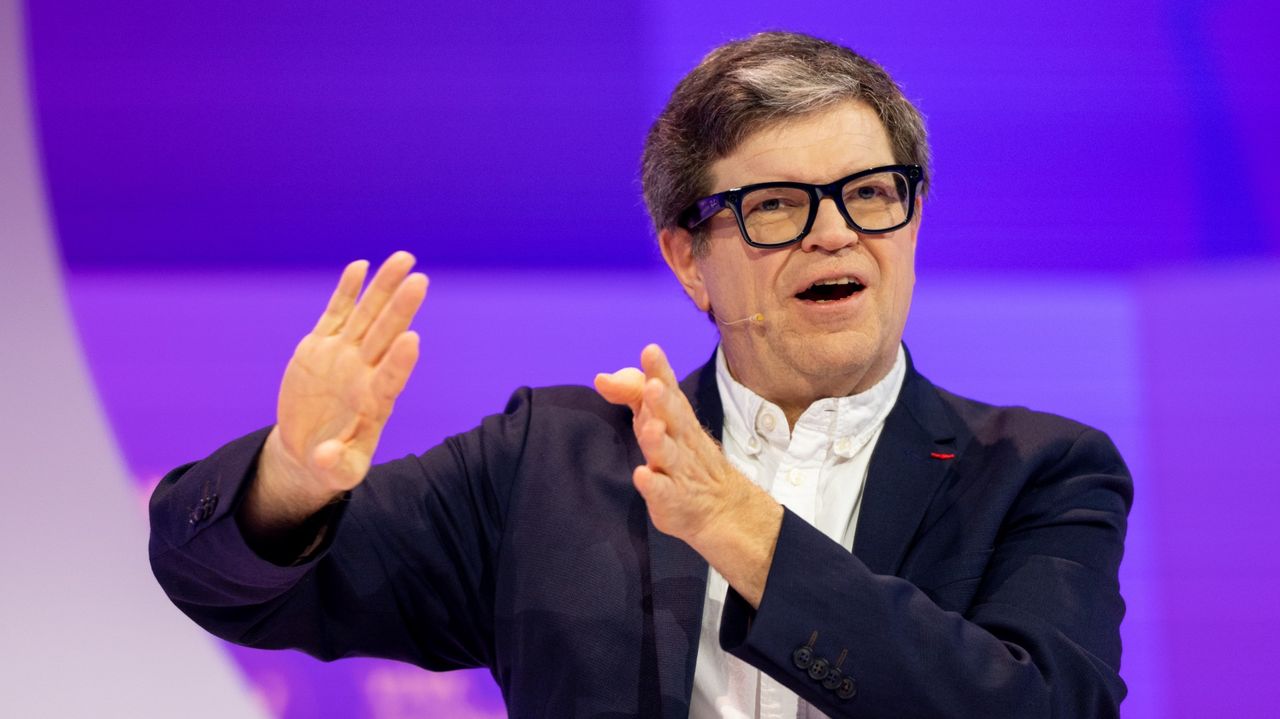
But as it now seems, the corporation's house of cards might already be crumbling down. During a recent interview with the Financial Times, Meta's chief AI scientist, Yann LeCun, revealed details leading up to his abrupt exit from the company in November with plans to form his own startup.

The executive, who had worked at the company for over a decade prior to his resignation, revealed that a strained relationship with Meta CEO Mark Zuckerberg, manipulated benchmarks, and more.
Before OpenAI launched ChatGPT in November 2022, LeCun described Meta as a “tabula rasa with a carte blanche,” affording him the freedom to conduct research without necessarily having to worry about developing a profitable product. “Money was clearly not going to be a problem,” the AI scientist added.
Following the hype around ChatGPT's launch, Zuckerberg asked LeCun to develop Meta's own LLM. While the AI scientist agreed to the request, it was on the condition that the chatbot would be open source and free.
When Zuckerberg ordered LeCun develop Meta’s own LLM, he agreed under the condition that Llama would be open source and free. The executive indicated that Llama models revolutionized the industry and are a favourite among AI researchers, primarily due to their power.
However, the hype was short-lived, especially following Meta's lacklustre Llama 4 model launch in April 2025. The scientist attributed the flop to Zuckerberg mounting pressure on his division to ramp up AI development at an overly ambitious rate.

Consequently, Zuckerberg became frustrated with Llama's disappointing progress. Perhaps more concerningly, LeCun revealed that the AI team manipulated some of the benchmark results of Llama 4:
"Mark was really upset and basically lost confidence in everyone who was involved in this. And so basically sidelined the entire GenAI organisation."
While Zuckerberg seemingly showed a lot of interest in Lecun's "world models" idea, he decided to invest the company's resources in a new AI research lab, Meta Superintelligence Labs.
Following Meta's multibillion-dollar investment in Scale AI and hiring its CEO Alexandr Wang to lead operations in the company's new AI lab, the hierarchy in leadership shifted, forcing Lecun to start reporting to Wang, whom he referred to as "young" and "inexperienced."
LeCun didn't hold back any punches and outrightly expressed his feelings on Wang's hiring:
Alex isn’t telling me what to do either. You don’t tell a researcher what to do. You certainly don’t tell a researcher like me what to do.
Ex-Meta Chief AI Scientist, Yann LeCun
To that end, LeCun has since launched Advanced Machine Intelligence Labs, which focuses on advancing his research and development on world models. The startup is targeting a $3 billion valuation.

Do you think Meta will be able to keep up with the AI hype? Let me know in the comments and vote in the poll!

Follow Windows Central on Google News to keep our latest news, insights, and features at the top of your feeds!