
Get all your news in one place.
100’s of premium titles.
One app.
Start reading
Homes & Gardens
Homes & Gardens
Chiana Dickson

Forget Spring Cleaning, I Predict Decluttering Your Winter Blues Away Is the Next Big Trend for Streamlining With Ease

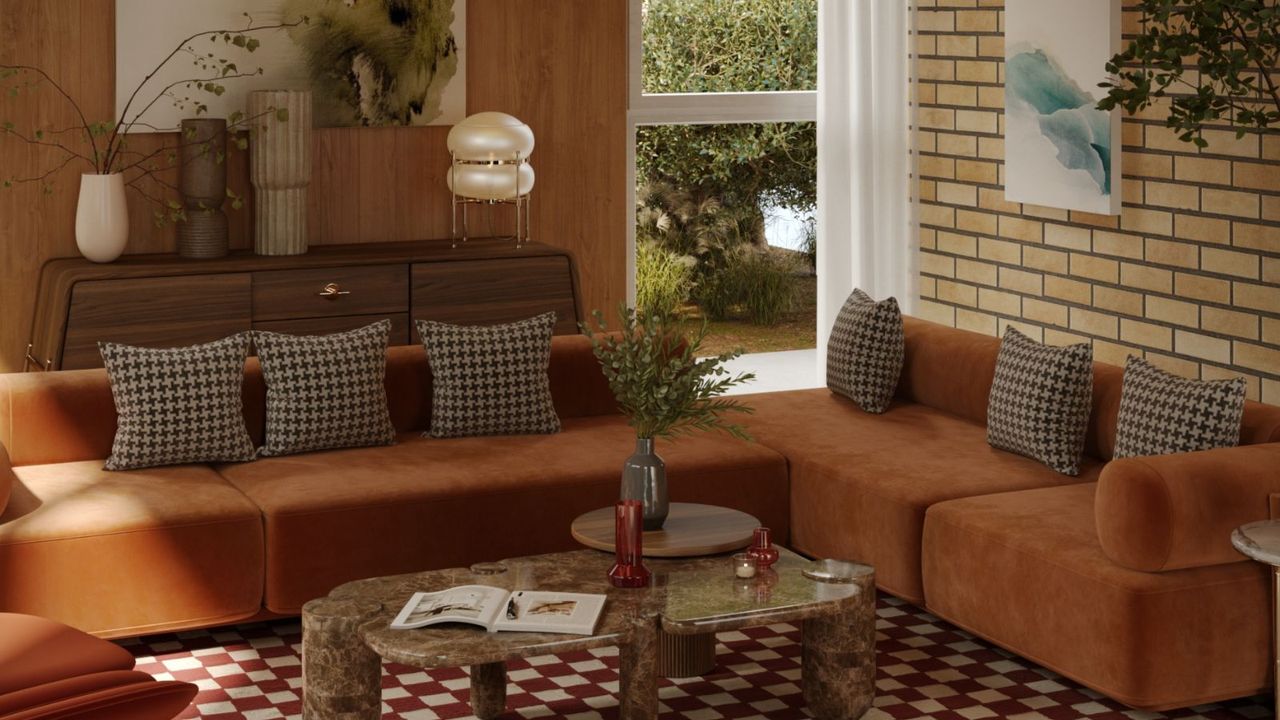
Brick and wood living room with warm orange, brown and white theme. There is a brown and white large area checkered rug and brown and cream checkered throw pillows on orange sofas, plus, mid century wooden sideboard, and a rounded marble table.

Spring cleaning has long been the go-to full home reset, designed to dust away the remnants of winter and prepare your home for brighter days and better moods. But why wait until spring to make improvements?

At the turn of the year, many homes are feeling cluttered, crowded, and mentally draining – making now the perfect time to reset. Rather than hold off for spring this year, decluttering during winter is a smarter, calmer alternative.

Here, experts reveal how investing what energy you have in winter to deep decluttering will pay off later.

Why You Need to Start Decluttering in Winter

When it comes to combating SAD at home, many of us take some vitamin D and hunker down, waiting for the cold and gray days to pass and spring to arrive to pull us out of our funk.

However, professional home organizers suggest that resetting a home to uplift your mood doesn’t have to wait until the better weather arrives. Rather, they urge you to rally what energy you do have to declutter in winter instead.

Cathy Orr, professional home organizer and co-founder of The Uncluttered Life, explains, ‘Decluttering can make you feel refreshed and not so bogged down during the winter months. In winter, some people tend to be tired after the holidays, which bring a lot of visual and mental overload and noise.

'When we declutter and get our lives back in order or on more of a routine, we feel more in control. This helps to alleviate the winter blues.’

A tidy space can really impact your mental health when spending so much time indoors. (Image credit: Libby Rawes, Maureen Springer, Rebecca McAlpin)

This is all part of the beauty of a tidy home, Barbara Brock, professional organizer at Barbara Brock, says.

She explains, ‘Organizing a home with well-being in mind offers several benefits, including reduced stress, increased productivity, better sleep, and overall mental and physical health. A well-organized space promotes a sense of calm, making it easier to engage in self-care activities. It also promotes efficiency in tasks.’

When already feeling less than motivated, however, how do you declutter without feeling overwhelmed?

Heather Tingle, ADHD-focused professional home organizer and owner of Untangled by Tingle, suggests using a timed method to help make the task more manageable.

She says, ‘Many people struggle to declutter as they either wait for motivation, which never appears, or they attempt something too big, run out of energy, and end up in a big mess!

'The best way is to plan what you can do and estimate the time it will take, and ensure you have stopping points along the way – so for example instead of attempting a whole wardrobe edit, set yourself a 15 minute timer to declutter your socks and split them into white or black or trainer socks, or walking socks and just do that mini category.

'That way you can compare similar items against each other for easy decluttering, and if you run out of time or energy, you know what you have done, what's left to do, and no huge pile to deal with!’

The try-for-five method is another good option for making a start in the low-energy season. I use this trick to motivate myself to clean as a serial procrastinator. When you need to tackle a to-do list but feel like you have hit a mental brick wall, you try for just five minutes.

If at the end of the five minutes you still feel awful, you stop, knowing you at least got a little bit done. Nine times out of ten, however, I take the approach of ‘I’ve started now, so I’ll finish’, and I can tick the task off.

You can also make some small and calming changes so decluttering is less nervous-system-activating, and therefore, less stressful.

Start small and work up to bigger tasks. (Image credit: Becky Shea Designs / Jake Shea)

Cathy also suggests starting small. ‘Pick one or two easy things that need attention and do those. Little wins will boost your energy and your state of mind when you’re tired and overloaded. Small wins lead to bigger wins, so this is a way to get started.’

You may well find yourself falling into the domino decluttering method, where small visible successes give you the motivation to do more.

It can also help to focus on the rooms you are using the most, adds Barbara. The room that is most frequented, whether it be a living room, den, or open kitchen concept, is always one room where people congregate. It doesn’t take much to create clutter, so keeping this area helps to clear the mind and destress us,’ she assures.

Picking low-lift tasks to help you relax when your house is a mess, such as decluttering your immediate line of sight, is a good way to tackle these areas and instantly boost your mood without tiring yourself out.

What to Shop

Meet the Experts

Really want to make a change to managing your home in 2026? Try the declutter 365 challenge to make a small difference that adds up every week. Alternatively, if you need an extra boost, consider turning cleaning into a game to make the tasks easier when low on energy.

Sign up to read this article
Read news from 100’s of titles, curated specifically for you.
Already a member? Sign in here
Related Stories
Top stories on inkl right now
One subscription that gives you access to news from hundreds of sites
Already a member? Sign in here
Our Picks
Fourteen days free
Download the app
One app. One membership.
100+ trusted global sources.