
Carbon fiber seems like an exotic and expensive material. Strong, lightweight, and durable, it's used for a variety of applications in the aerospace and automotive industries. It's easy to assume that manufacturing carbon fiber components is a difficult process. However, you can make your own carbon fiber parts at home with the right ingredients and a kitchen oven.
The person behind the Eco-Lap Studio YouTube channel recently demonstrated the process by making an engine cover for their BMW out of dry carbon fiber. Unlike traditional carbon fiber used by exotic car makers like McLaren or Ferrari, dry carbon fiber is specifically designed for dry layup applications. It is free of any resin, which results in a lighter product that is easier to work with in small applications.
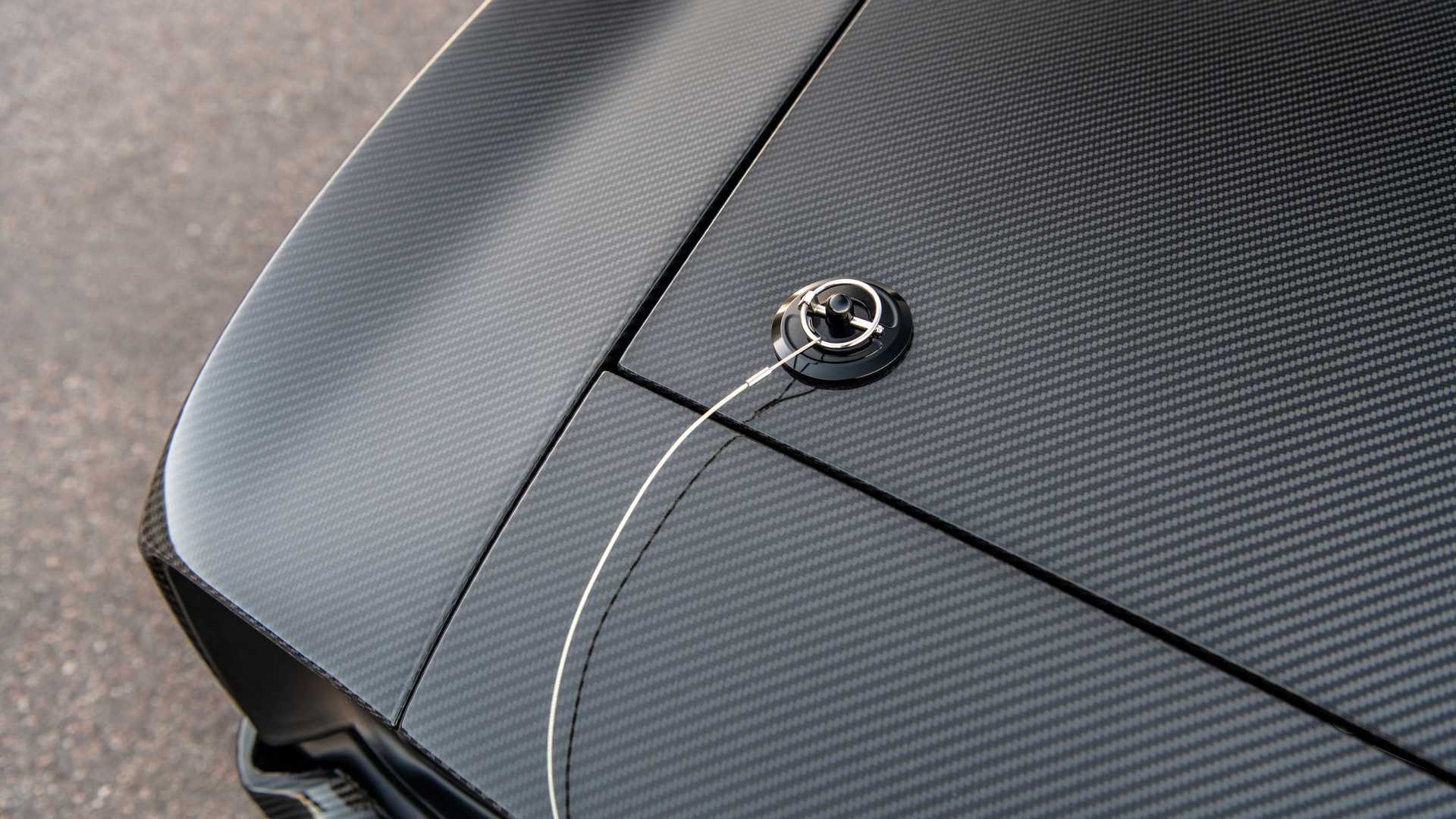
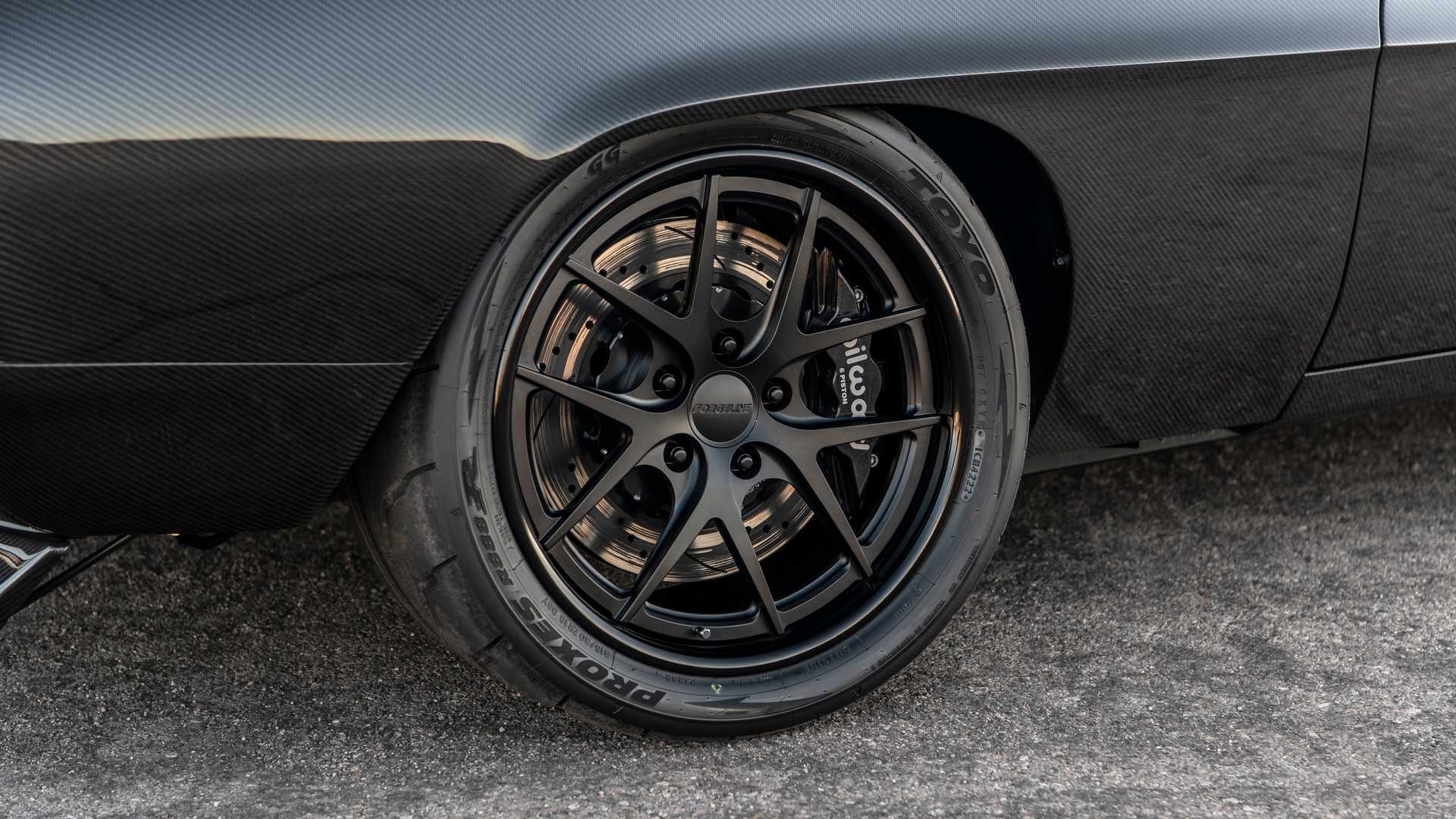
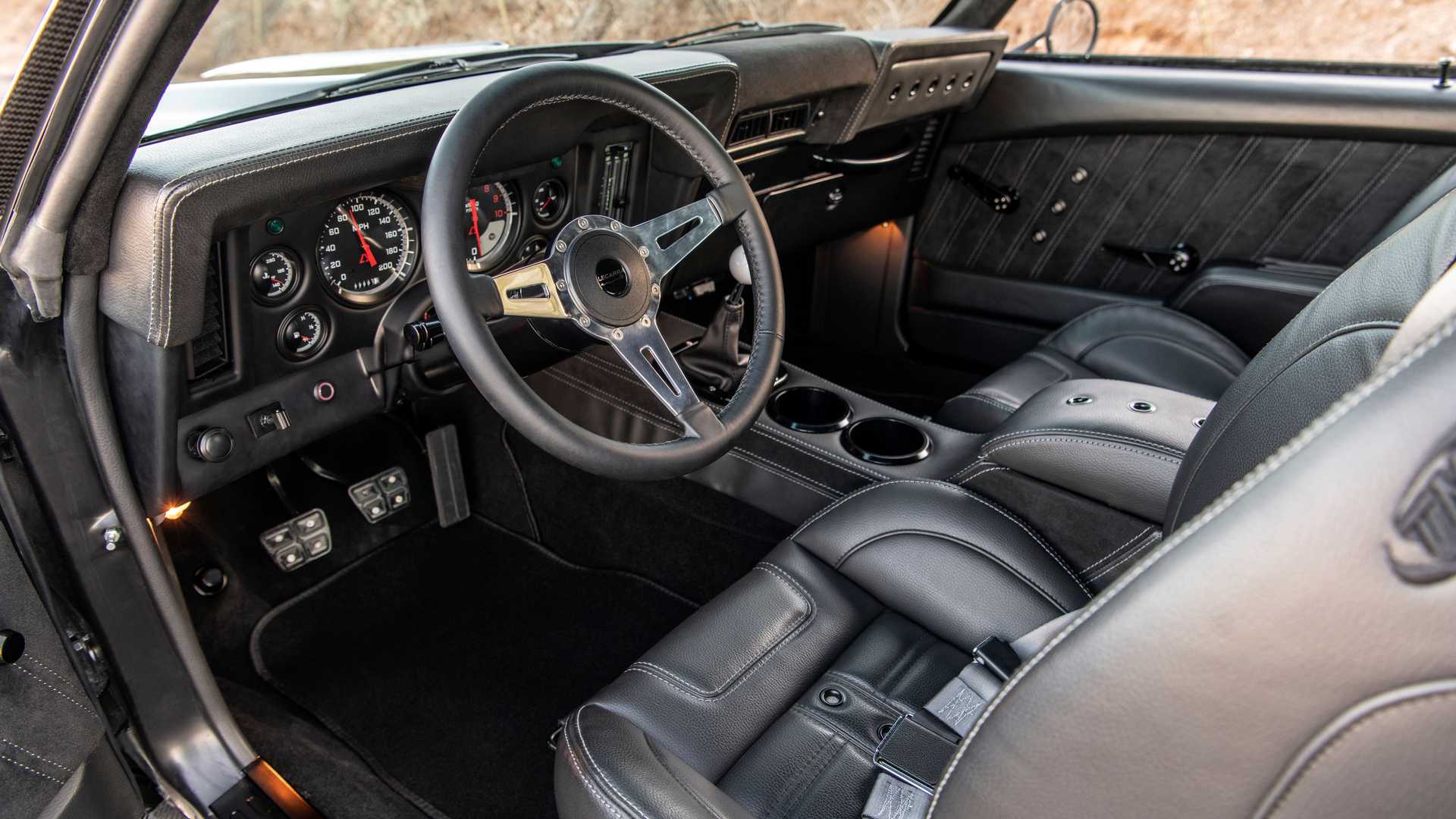
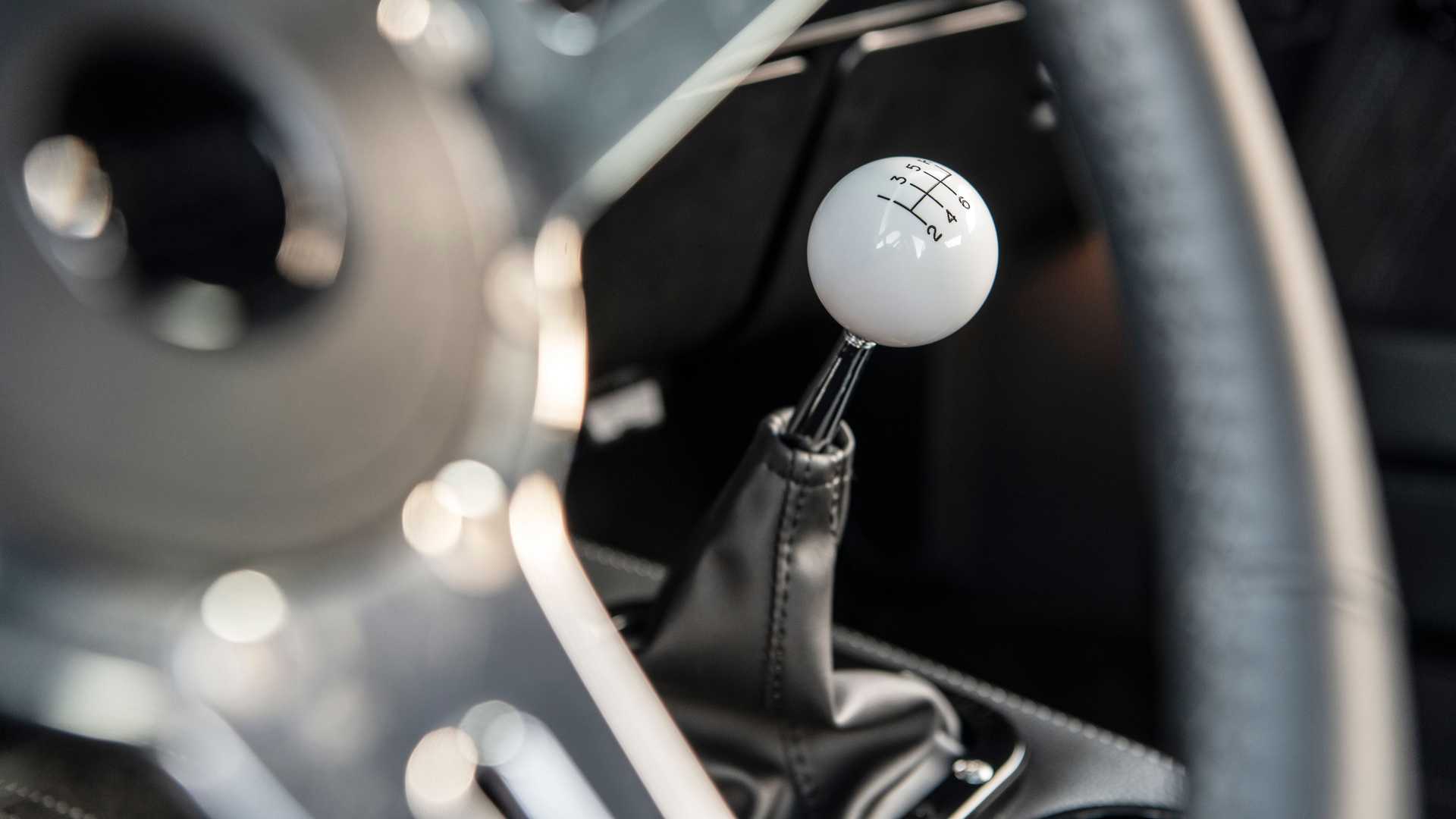
Gallery: Finale Speed Carbon Fiber 1969 Camaro


Starting with the stock plastic engine cover, the YouTuber created a mold for the carbon fiber version. Then they layered pre-preg dry carbon fiber sheets in the mold before sealing and vacuum bagging them to eliminate any trapped air. Finally, they cooked the dry carbon fiber sheets in the oven to bond them together.
After baking the dry carbon fiber engine cover, three coats of epoxy resin were applied to harden it, allowing time to dry between each coat. Then 12 more hours of oven baking followed to cure the engine cover. Once the part was cured, the next step was to sand down any sharp edges or uneven areas before applying a clear, heat-resistant finish.
The end result looks impressive, retaining the same shape as the original cover while looking like a high-end finished product. While the process is straightforward and a good way to make your own carbon fiber accessories, you wouldn't want to use it to create critical parts like suspension components or a chassis. There's a reason why Alfa Romeo outsourced production of the 4C sports car shell to Adler Plastic, which has more experience with monocoque bodies.
Eco-Lap Studio's YouTube channel features many DIY projects using dry carbon fiber, including a steering wheel, door handles, and exterior trim pieces. So next time you want to freshen up the interior of your sports car or accessorize your truck, you might consider making the parts yourself instead of ordering something from your favorite parts store.