
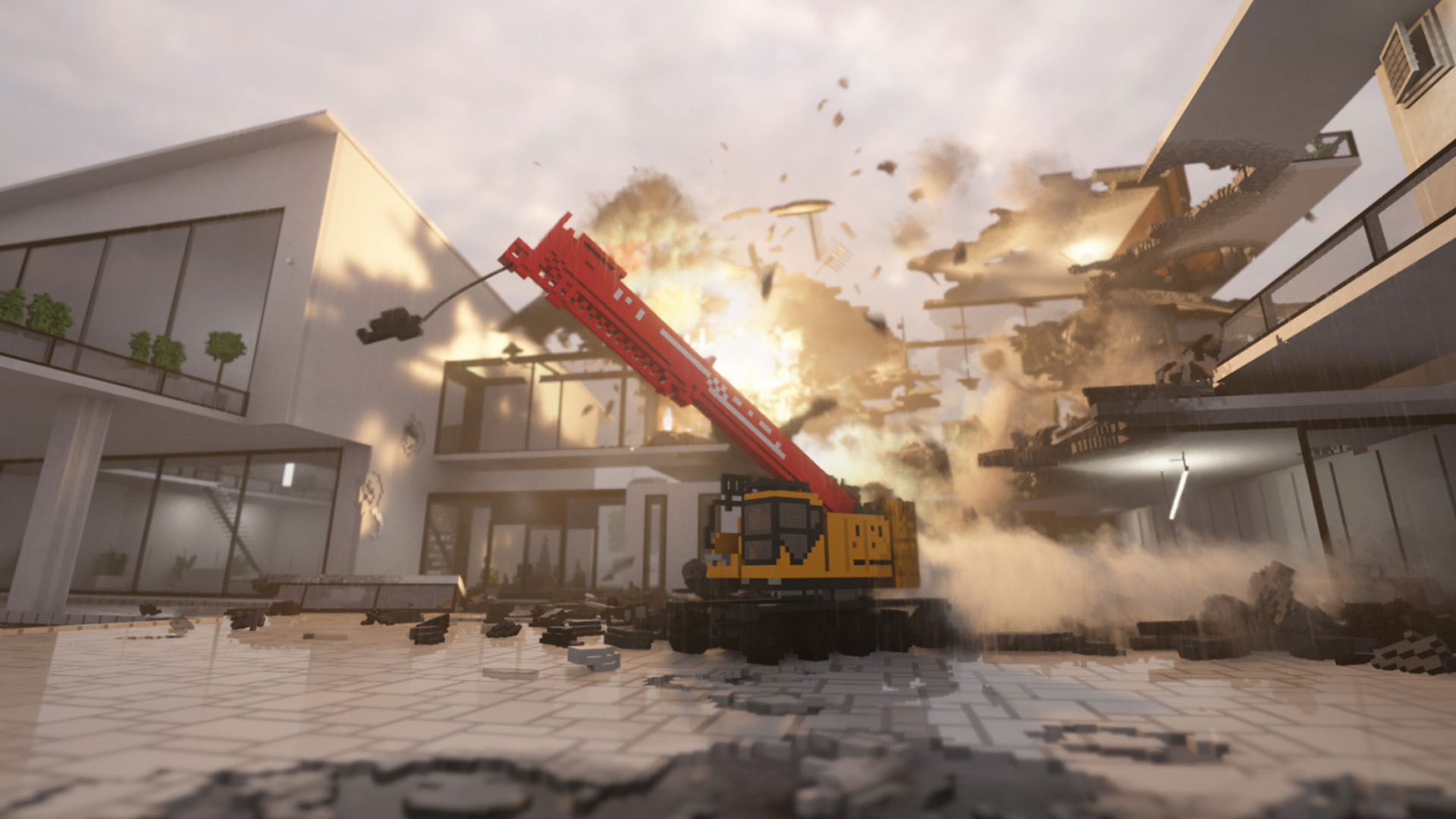
The message has been pretty consistent for the last six years now: ray tracing is the next big frontier for gaming. A revolutionary way of lighting 3D environments that had previously only been possible via offline renders at Hollywood effects studios, this fancy new ray tracing thing that modern graphics cards can do would bridge the gap between movie-level CG and the real-time graphics happening before our astonished eyes on our monitors. And let’s not dismiss ray tracing – but it’s burying the lede in 3D tech.
It makes water look nicer. It can bring old games back to life in a truly thrilling way – as Quake II and Portal’s RTX treatments have amply demonstrated. But it doesn’t actually change the way we play games. Unless you count stopping to gawp at every reflective puddle as a seismic shift in our relationship with interactive media.














