
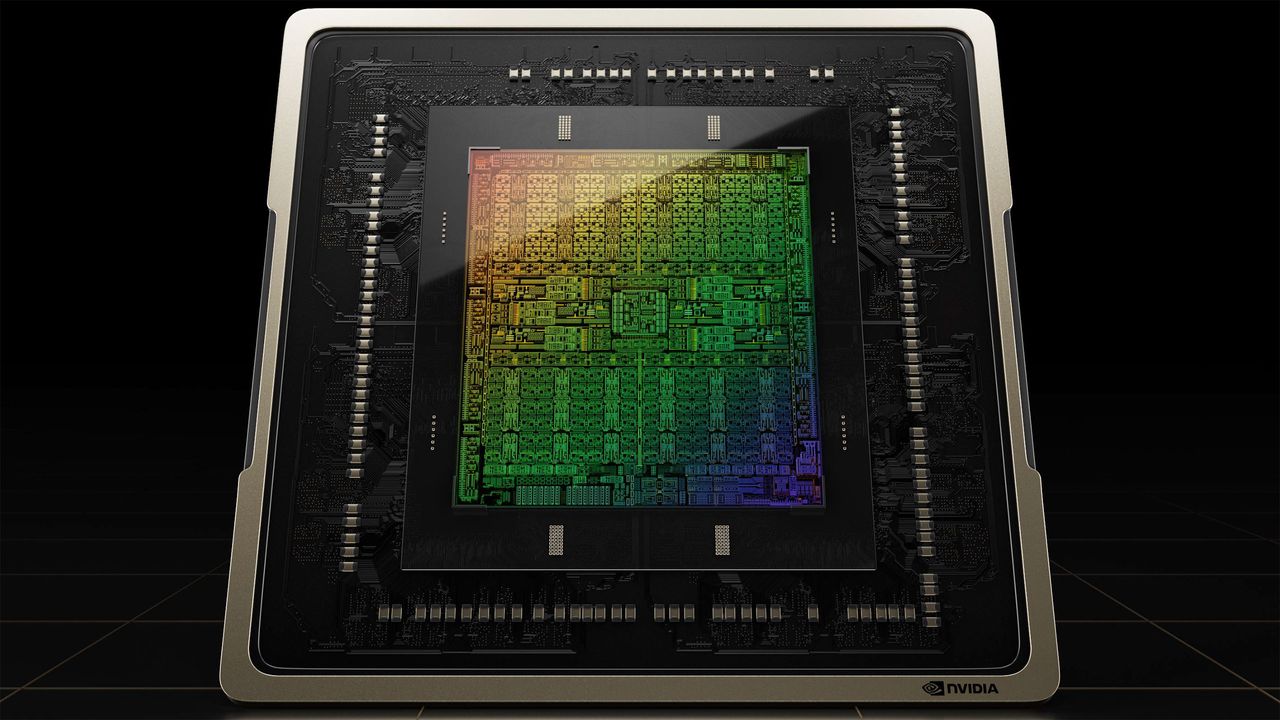
As the entire industry plunges into a component drought, Nvidia has just announced on X that its CES 2026 keynote will have "no new GPUs," throwing cold water on the little hope left for new PC builders. This breaks a five-year long streak of consistently announcing new GPUs — desktop or mobile — at CES; instead, this time, there will be no new hardware at all.
Watch the GeForce On community update today January 5 at 9PM PT to hear about the latest features, games, apps, and partner products for gamers and creators.Quick note: No new GPUs will be announced.📺 https://t.co/OQiFvri8nY pic.twitter.com/DSNyrsty1tJanuary 5, 2026

Most of the presentation will likely focus on AI advancements. The Green Team has had new silicon to show at CES every year since 2021. Most recently, the RTX 50-series debuted at those iconic Las Vegas floors, and there have been rumblings and rumors of an RTX 50 Super series coming as well, aligning with the dates for CES 2026.
While there was never any official confirmation, the DRAM shortage may have derailed this launch, because otherwise, Nvidia did release the RTX 40 Super series at CES 2024, a year after the initial Ada Lovelace cards came out. Moreover, the company's latest Blackwell GPUs use GDDR7 memory, which is harder to produce. The situation has gotten so bad that wild rumors of Nvidia restarting RTX 3060 production have started floating around, since that card uses GDDR6 instead and is fabricated on Samsung's older 8nm process.
Sourcing memory is a big part of the problem. Nvidia can't announce new GPUs if the factories behind are entirely choked. Only three companies in the world, Micron, SK Hynix, and Samsung, are capable of manufacturing cutting-edge DRAM to begin with, and they're all more than happy selling to AI clients for fatter margins. The hunger for AGI has led companies like OpenAI to chart record-breaking computing pursuits, ambitions that far exceed what our supply chains can even handle.
Some of you might be wondering why the government doesn't step in to help consumers here; isn't regulating the markets their job? Unfortunately, geopolitics further complicate this situation as frontier AI represents another arms race, and Washington wants to maintain its lead against China.
At the end of the day, there's no savior coming. Like the RAM crisis of 2014 and the various GPU shortages in the past decade, we'll have to wait until the AI boom goes stagnant. As of right now, Nvidia graphics cards still haven't experienced a price hike, so this might be the final few moments before we return to real scalping issues. Still, some people in the community, such as Sapphire's PR manager, are hopeful that even this storm can be ultimately weathered.

Follow Tom's Hardware on Google News, or add us as a preferred source, to get our latest news, analysis, & reviews in your feeds.