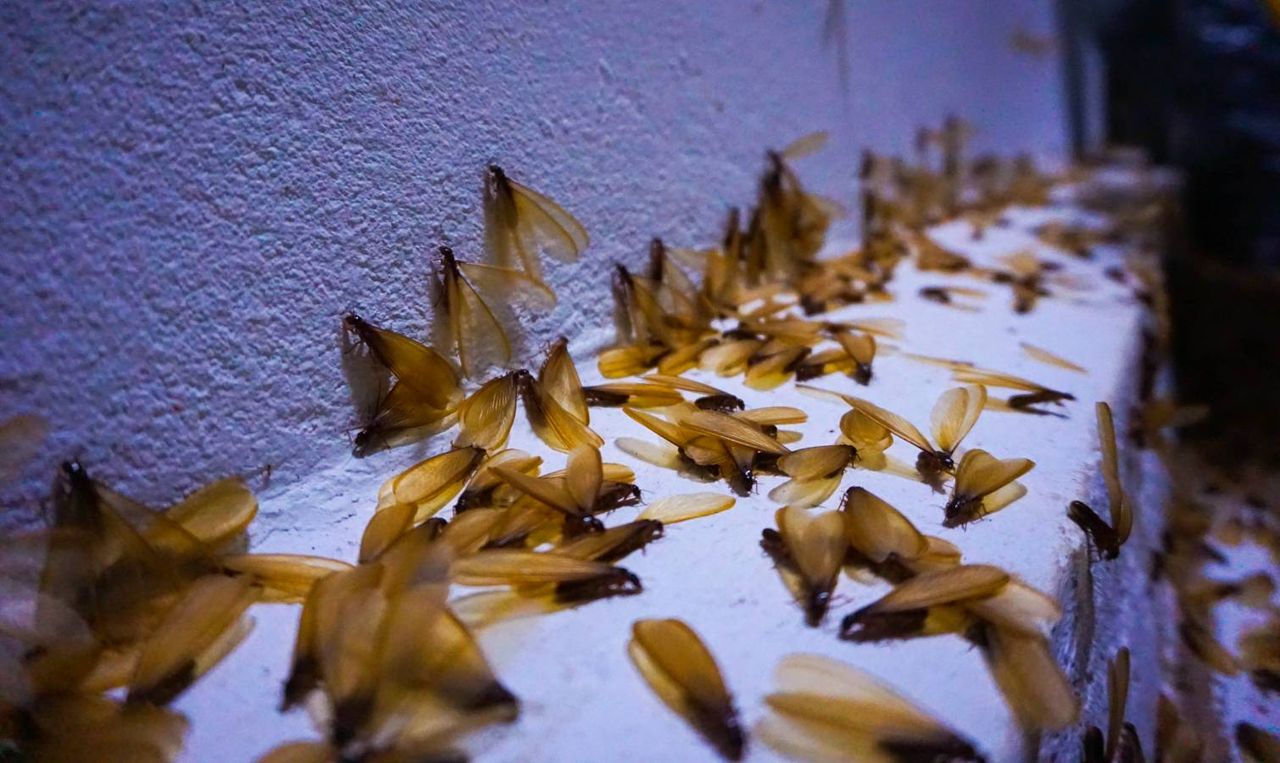
It starts innocuously enough. You're winding down for the evening when you notice them: dozens of dark, clumsy winged insects orbiting your lamp like tiny, unwelcome guests. Not quite flies, not quite ants. Flying termites.
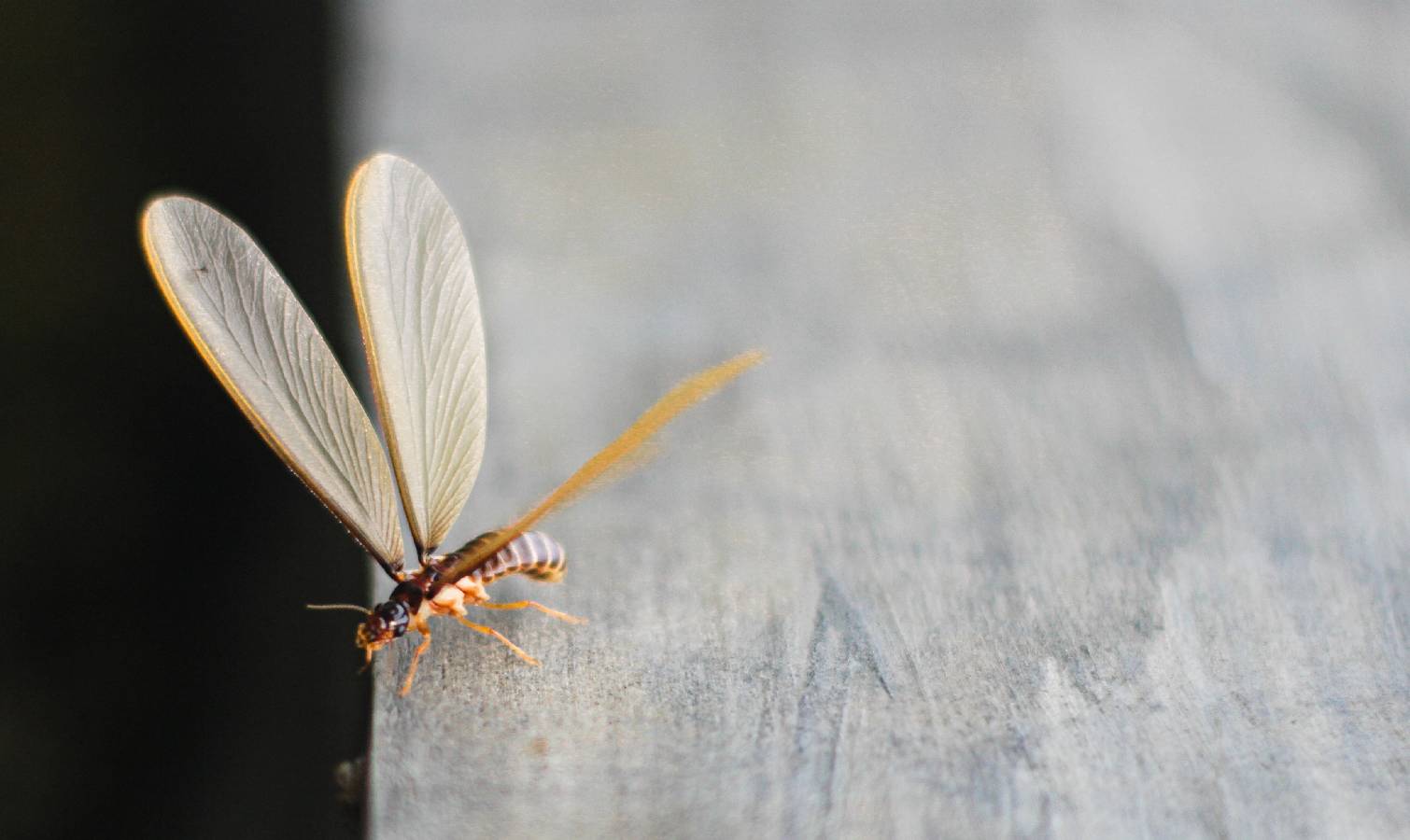
Flying termites are the colony's scouts, reproductive swarmers dispatched to find new territory. Their presence indoors, or hovering outside near your foundation, means a colony is nearby and your home could be on their radar. Either way, it's worth acting quickly.
It's not as dire as it looks. Both situations are manageable, and these five steps cover everything from killing visible swarmers immediately to tackling the colony at its source.
1. Vacuum them up — immediately
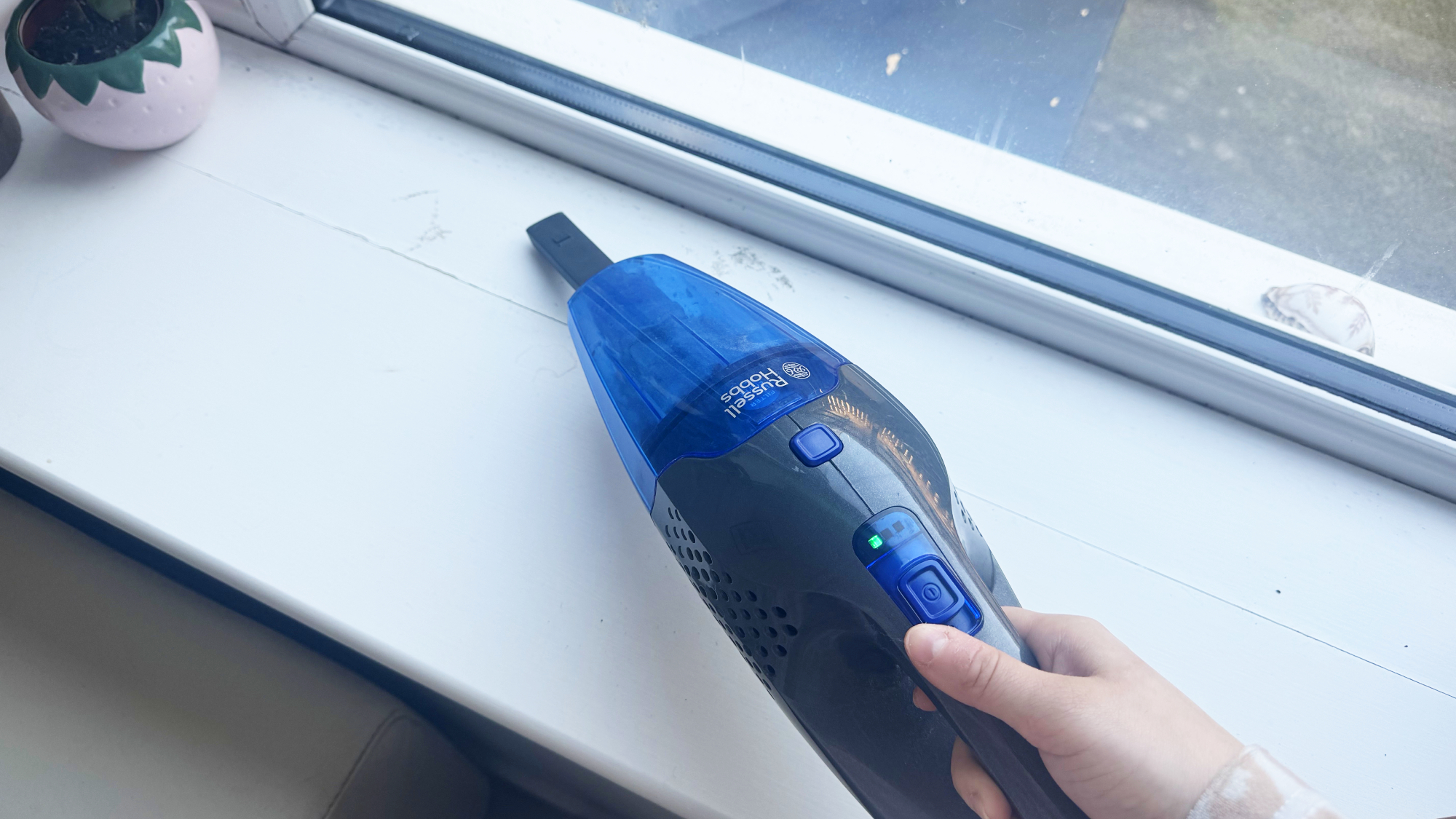
Your vacuum cleaner is your first and most effective weapon. Flying termites are weak, clustered fliers that congregate near light sources, making them surprisingly easy to round up fast.
Work through each room methodically with the hose attachment, paying close attention to window frames, ceiling corners, and anywhere near lamps or overhead lights where they naturally gravitate.
The critical follow-through: empty the canister straight into an outdoor bin, bag sealed tightly and dispose of them well away from the house.
If you don't have a vacuum at hand, a dustpan works perfectly well. Just move quickly. Every minute they spend inside is another minute they're searching for somewhere dark and warm to settle.
2. Set a light trap
Turn your termites' biggest weakness against them. Kill all the lights in the house except one lamp, positioned directly above a shallow bowl of soapy water. The light lures them in, the soap destroys the water's surface tension, and they sink. It's almost elegant in its simplicity.
If you notice rooms with heavier activity, you can run multiple traps by placing them near windows and doorways where termites tend to cluster. Check and refill them every few hours as they fill up, and lean into the night shift since termites are most active after dark.
During the day, keep curtains drawn to darken rooms and concentrate activity around your trap lights instead.
3. Spot-treat with a soapy spray
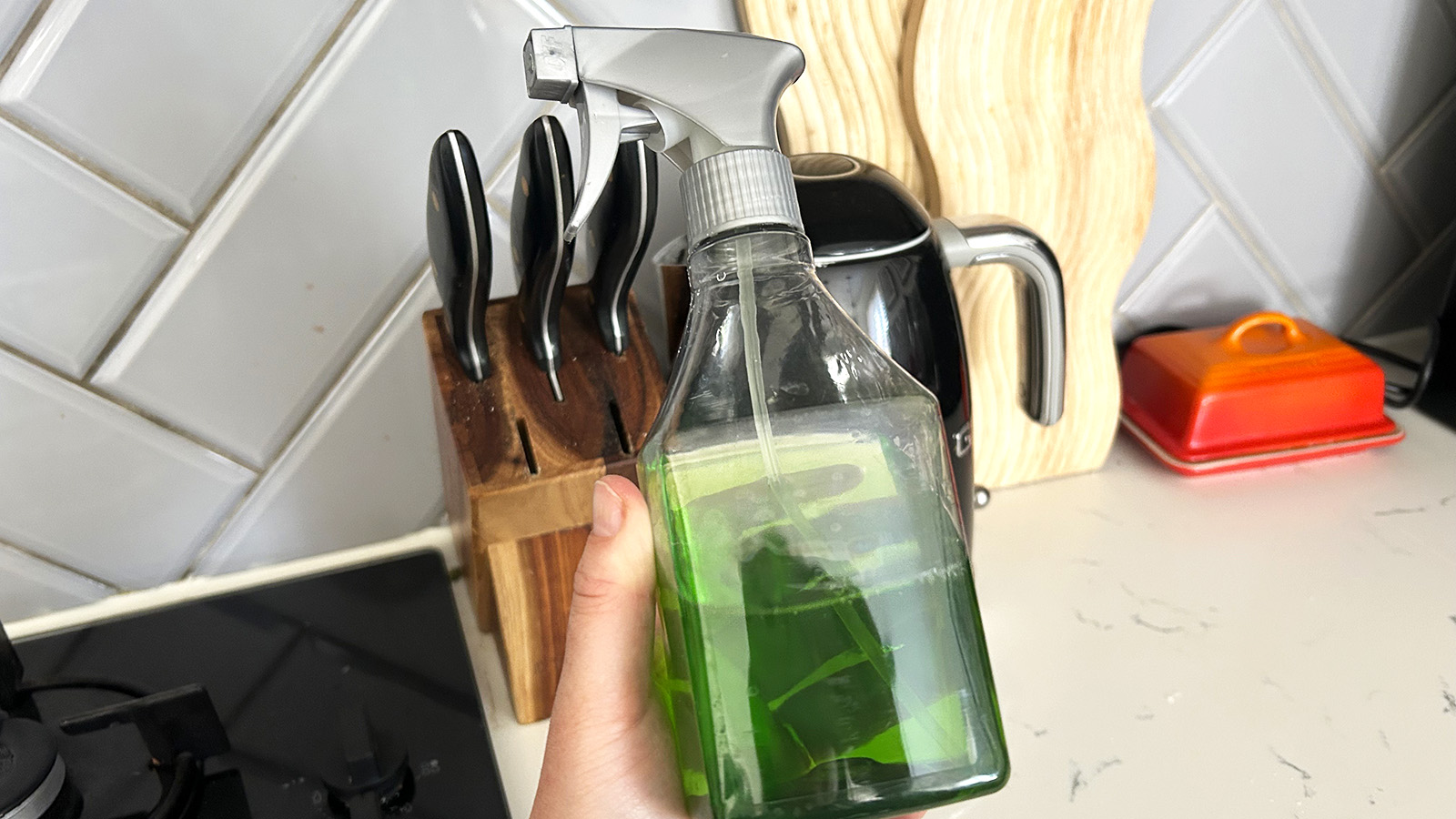
For termites clinging to ceilings or tucked into awkward corners where a vacuum won't reach, a spray bottle filled with soapy water is a surprisingly effective solution.
Mix 2 to 3 tablespoons of liquid dish soap per cup of water and spray directly onto any termites you can see. The solution works by coating their bodies and blocking their breathing pores, killing them within seconds of contact.
It's completely chemical-free and safe to use around children and pets, which makes it a practical go-to for quick spot treatments throughout the day. Just wipe surfaces down afterward to clear away the residue and dead insects.
Like vacuuming, this is a visible-only fix, but used consistently alongside your other methods, it helps keep numbers down.
4. Go natural outside: beneficial nematodes

If the swarming is happening outdoors near your foundation, beneficial nematodes are worth serious consideration. These microscopic parasitic worms hunt and kill subterranean termites living in soil, working entirely without chemicals.
You can find them at most garden centers or online, and applying them is straightforward: mix with water according to the package instructions and spray around your home's perimeter, focusing on areas near where you've spotted swarmers or noticed suspicious entry points.
Nematodes work by entering termite bodies and releasing bacteria that kills them within 48 hours. They then reproduce and spread through the soil, continuing to work through the colony over time.
One important caveat: nematodes only reach ground-dwelling subterranean termites.
5. Know when to call in the professionals
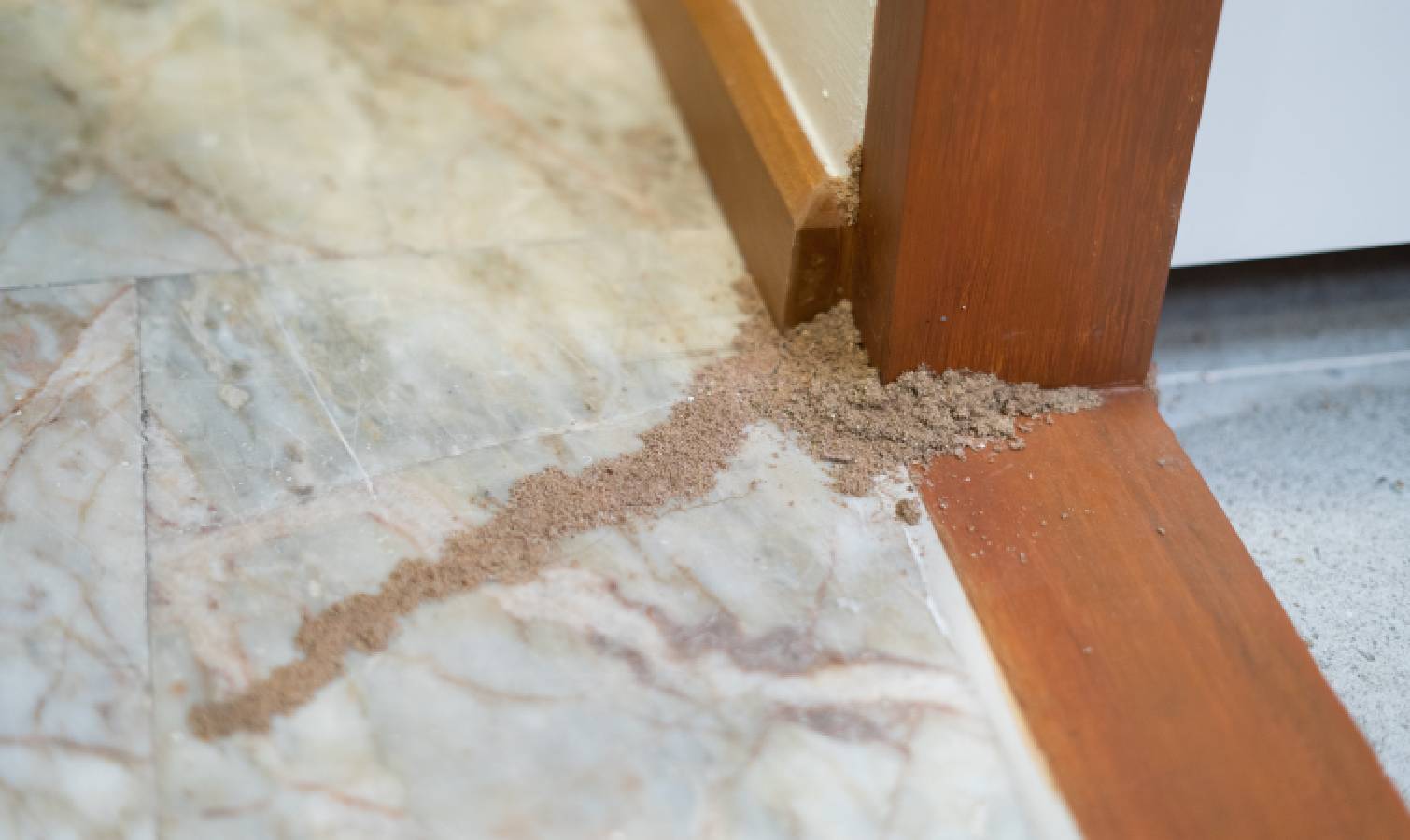
If swarmers keep returning after multiple rounds of treatment, or you spot softened wood, hollow-sounding beams, or small piles of frass anywhere in the house, it's time to stop DIYing and bring in a professional.
Professional pest controllers have access to liquid termiticides, baiting systems, and fumigation treatments that reach deep into the places you simply can't get to yourself. They'll also carry out a thorough inspection to locate hidden colonies and assess any structural damage that might not yet be visible to you.
The upfront cost feels significant, but it's a fraction of what structural repairs run if an infestation is left to continue unchecked. Think of it as essential home maintenance rather than a last resort.
And if you've found a method for dealing with termites that I haven't covered here, drop it in the comments — I'd love to know what worked for you.