A major flu outbreak has sickened nearly 160 Air Force recruits at Joint Base San Antonio-Lackland in Texas, weeks after Defense Secretary Pete Hegseth ended the military's long-standing requirement that troops receive annual influenza vaccines, according to defense officials cited by The New York Times.
The outbreak has hit trainees in basic military training at Lackland, the main hub for Air Force and Space Force enlisted training. Local officials confirmed that the base is dealing with a "localized influenza outbreak" among trainees, though they did not publicly provide a total. The New York Times reported that about 160 troops were sick, while ABC News put the number at 159.

The timing has drawn immediate scrutiny because Hegseth announced on April 21 that annual flu shots would no longer be mandatory for active-duty and reserve service members or Defense Department civilian personnel.
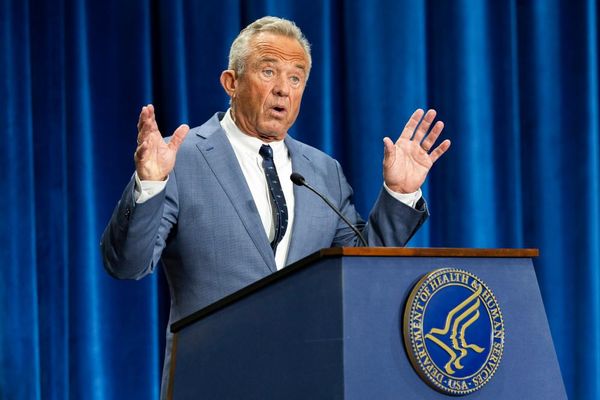
"The notion that a flu vaccine must be mandatory for every service member, everywhere, in every circumstance, at all times, is just overly broad and not rational," Hegseth said in a video announcing the change.
"Our new policy is simple," he added. "If you, an American warrior entrusted to defend this nation, believe that the flu vaccine is in your best interest, then you are free to take it; you should. But we will not force you."
The Pentagon framed the decision as part of a broader effort to restore "medical autonomy" and religious freedom inside the armed forces. Hegseth also linked the move to backlash over the Pentagon's former COVID-19 vaccine mandate, which led to thousands of separations before it was rescinded.
But the outbreak at Lackland is now testing that policy in one of the military's most vulnerable environments: basic training, where large numbers of recruits live, sleep, eat and train in close quarters.
The 37th Training Wing, which oversees basic training at Lackland, said it is working with the 59th Medical Wing to control the outbreak. Officials said symptomatic trainees are being isolated and treated, including with antiviral medication such as Tamiflu, and that medical personnel are monitoring those who had close contact with sick trainees.
"Medical professionals and Public Health officials have implemented mitigation measures to isolate and treat symptomatic trainees to reduce further exposure and continue to monitor the situation," the 37th Training Wing said in a statement cited by the San Antonio Express-News.
The base trains tens of thousands of recruits each year. The 737th Training Group says it transforms more than 36,000 recruits annually into Airmen and Guardians, making Lackland one of the most important entry points into the Air Force and Space Force.
Public health officials have long warned that influenza can spread quickly in crowded military settings. The Centers for Disease Control and Prevention says flu vaccination can reduce the risk of illness, doctor visits and hospitalizations, though effectiveness varies by season and circulating strain.
The Lackland outbreak does not prove that Hegseth's policy caused the infections. Flu outbreaks can occur even in vaccinated populations, especially in dense settings. But the episode is likely to intensify debate over whether making the vaccine optional could weaken force readiness by increasing preventable illness, missed training time and pressure on military medical facilities.
For now, Air Force officials say affected trainees will return to training once cleared by medical personnel.