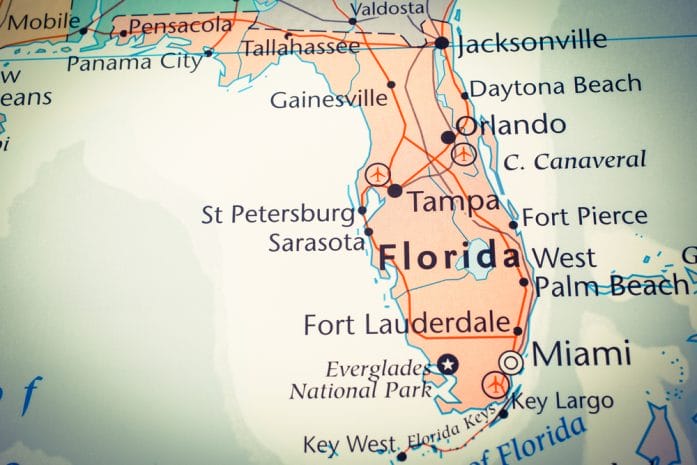
Florida has never been a quiet place when it comes to insurance, but last year’s numbers felt like a jolt even by Florida standards. A 3.35% non-renewal rate may look small on paper, but in a state with millions of policies, that percentage translates into hundreds of thousands of homeowners suddenly left without coverage. It’s the kind of statistic that makes you stop mid-scroll and wonder how a market can change so dramatically in such a short time.
The reality is that Florida’s insurance landscape has been under pressure for years, and this latest wave of non-renewals is the clearest sign yet that the system is straining under the weight of rising risks and rising costs.
When Storm Damage Becomes a Financial Breaking Point
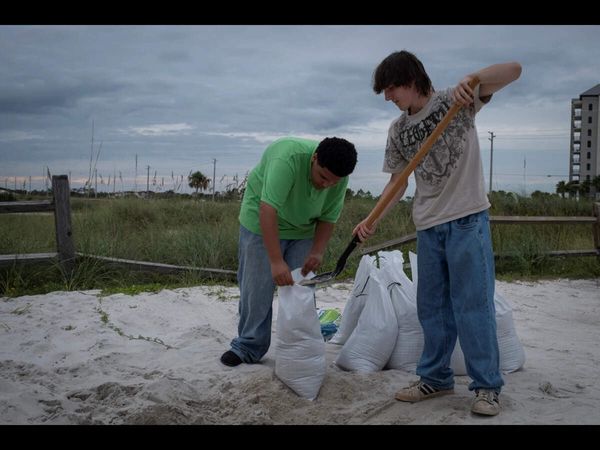
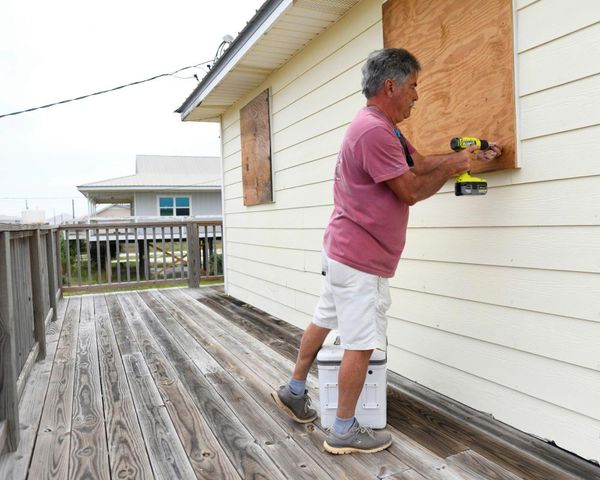
Florida’s weather has always been a character in its own story, but recent years have brought storms that leave insurers with staggering claim totals. According to an analysis of official NAIC data, Florida had the highest non-renewal rate in the nation, with 3.35% of homeowners dropped by their carriers, often after suffering severe storm damage.
Insurers don’t make these decisions lightly, but repeated large-scale losses can push companies to reassess their risk exposure. When storms become more frequent or more destructive, insurers face higher payouts, and some respond by tightening their underwriting standards. That means homeowners in high-risk areas may find themselves without coverage even if they’ve never filed a claim. For residents, this creates a frustrating cycle: the very storms that make insurance essential are the same storms making it harder to keep.
The Rising Cost of Rebuilding and Repairing
Insurance isn’t just about weather—it’s also about the cost of putting things back together. Construction prices have climbed sharply in recent years, driven by labor shortages, supply chain issues, and higher material costs. When the price of rebuilding a home rises, insurers must adjust their risk calculations to match the new reality. A claim that once cost tens of thousands can now cost significantly more, and that financial pressure trickles down into premiums, underwriting decisions, and ultimately non-renewals.
Homeowners may not see the behind-the-scenes math, but they feel the impact when their insurer decides the risk is no longer worth taking. If you’re a homeowner, reviewing your home’s replacement cost estimate each year can help you stay ahead of potential coverage gaps.

Fraud, Litigation, and the Legal Landscape
Florida’s insurance market has long been shaped by legal challenges, including high rates of litigation and fraud. While not every claim is problematic, the volume of lawsuits in the state has historically been far higher than the national average. This legal environment increases costs for insurers, who must account for the possibility of lengthy disputes even when claims are legitimate.
Over time, these added expenses contribute to higher premiums and more aggressive non-renewal strategies. Recent legislative reforms aim to reduce frivolous lawsuits and stabilize the market, but the effects will take time to fully materialize. Homeowners can help protect themselves by keeping detailed records of repairs, inspections, and communications with contractors.
Insurers Leaving or Shrinking Their Footprint
Another major factor behind the non-renewal wave is the number of insurers reducing their presence in Florida or exiting the state entirely. When companies decide the market is too risky, they stop writing new policies or decline to renew existing ones. This creates a domino effect: fewer insurers mean less competition, which leads to higher prices and fewer options for homeowners.
Some residents end up turning to Citizens Property Insurance Corporation, the state-backed insurer of last resort, which has seen its policy count grow significantly. While Citizens provides essential coverage, it’s not designed to be the primary insurer for such a large portion of the state. If you’re shopping for coverage, comparing quotes early and exploring multiple carriers can help you avoid last-minute scrambles.
The Impact on Everyday Homeowners
For the average homeowner, losing insurance isn’t just an inconvenience—it can jeopardize mortgages, delay repairs, and create financial uncertainty. Lenders require continuous coverage, so a non-renewal notice often triggers a frantic search for a new policy.
In some cases, homeowners may face premiums that are dramatically higher than what they previously paid, stretching budgets already under pressure. Others may struggle to find any insurer willing to take on their property, especially if it’s older or located in a high-risk zone. Staying proactive—by maintaining your home, updating your roof, and documenting improvements—can make you more appealing to insurers and reduce the likelihood of being dropped.
What Homeowners Can Do Moving Forward
While homeowners can’t control the weather or the broader insurance market, they can take steps to strengthen their position. Regular home maintenance, wind mitigation upgrades, and roof inspections can make a meaningful difference in how insurers view your property. Shopping around well before your renewal date gives you time to compare options and avoid rushed decisions.
Staying informed about legislative changes and market trends can also help you anticipate shifts before they hit your mailbox. And if you do receive a non-renewal notice, don’t panic—start gathering quotes immediately and consider speaking with an insurance agent who understands the nuances of Florida’s market.
A Market in Motion, and Homeowners Caught in the Middle
Florida’s 3.35% non-renewal rate is more than a statistic—it’s a snapshot of a market undergoing rapid transformation. Homeowners are navigating a landscape shaped by storms, rising costs, legal complexities, and shifting insurer strategies. While the challenges are real, understanding the forces at play can help you make smarter decisions and stay ahead of potential disruptions. The insurance market may continue to evolve, but informed homeowners can adapt right along with it.
What changes have you noticed in your home insurance situation over the past year? Give us your thoughts below.
You May Also Like…
Florida Homeowners Are Seeing Insurance Rates Decreasing In 2026
The Roof Age That Automatically Disqualifies Florida Homes From Coverage
Insurance Just Stopped Paying for These Routine Health Supplies — Check Your Plan Immediately
The Credit Score That Adds $2,000/Year to Florida Homeowner’s Insurance Premiums
Why South Carolina is Beating Florida in Retirement Relocation
The post Florida’s 3.35% Non-Renewal Rate: Why Hundreds of Thousands Lost Home Insurance Last Year appeared first on The Free Financial Advisor.