One Reporting Week Nearly Doubled Florida's Locally Acquired Dengue Total
Florida reported 32 new locally acquired dengue cases in a single reporting week, pushing the state's 2026 total to 73. The figures come from the Florida arbovirus surveillance report covering Aug. 23 through Aug. 29, the most recent data available. A week earlier, the statewide count stood at 41.

Sixty-five of those 73 cases sit in the Tampa Bay region. Hillsborough County alone accounts for 59, with five in Pinellas and one in Pasco. Miami-Dade has seven, and Palm Beach has one.
That distribution is the shift. About nine of every ten locally acquired dengue infections recorded in Florida this year were transmitted by mosquitoes in three Tampa Bay counties rather than in South Florida, where local dengue transmission has historically concentrated.
Onset dates matter as much as the totals. Of the 73 cases, 19 began in July, and 54 began in August. That is not a backlog of older illnesses finally reaching the state database. It means transmission accelerated through late summer and was still active when the reporting window closed.
Transmission Has Crossed County Lines into Pinellas and Pasco
MedicalDaily reported earlier on the Hillsborough cluster at 23 statewide cases, when four counties were involved, and Hillsborough accounted for 15 of them. Two things have changed since then.
The first is geographic. Pasco County recorded its first locally acquired dengue case of the year in August, and Pinellas has moved from three cases to five. Hillsborough, Miami-Dade and Pinellas are under a mosquito-borne illness alert, the state's higher level designation. Alachua, Duval, Leon, Orange, Palm Beach, Pasco and Walton are under the lower level advisory.
The second is the strength of the mosquito evidence. Fourteen mosquito pools in Hillsborough County have now tested positive for DENV-2, up from five in the earlier report. Four of those positives came from collections taken on Aug. 25, Aug. 26 and Aug. 27. All were Aedes aegypti, the daytime biting species that breeds in containers around homes rather than in ponds or marshes.
Serotype data points the same way. Of the 71 local cases serotyped by PCR, 69 were DENV-2, including 58 of the 59 in Hillsborough. When one serotype accounts for essentially an entire county cluster, investigators are generally looking at sustained local circulation rather than repeated separate introductions from returning travelers.
Where Households in the Treatment Zones Actually Carry Risk
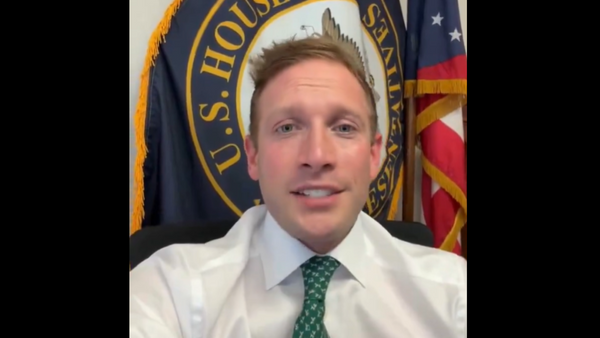
State Surgeon General Dr. Joseph A. Ladapo joined Hillsborough officials on Sept. 4 to address what the state health department called an unusual increase in the county. "Use insect repellent, cover up when possible, and remove standing water around your home," Ladapo said in the department's statement. He told reporters at the same event that he expects the count to keep rising.
That expectation is the part households should plan around. Aerial and ground treatment reduces mosquito populations, and the Pasco County Mosquito Control District has been flying larvicide missions over Tampa neighborhoods, including Wellswood, Riverside Heights and East Tampa in support of Hillsborough crews. But Aedes aegypti lays eggs in water held in a bottle cap, a plant saucer, a clogged gutter, a tarp fold, a birdbath or a discarded tire. Hillsborough mosquito managers have singled out tire shops and tire storage lots as major breeding sites. Helicopters cannot reach the container sitting behind a fence in a private yard.
Risk is also uneven within the alert counties. It concentrates in dense housing, in homes without intact window screens or reliable air conditioning, and among people who work outdoors during daylight hours, including construction, landscaping, and delivery workers. Households with infants, older relatives, or anyone with a chronic condition should treat a sudden fever in a family member who has not traveled as worth a call to a clinician rather than a wait-and-see.
Prevention advice from the Florida Department of Health in Hillsborough County comes down to three habits: drain standing water weekly, cover skin with loose long-sleeved clothing, and apply an insect repellent registered by the Environmental Protection Agency. Repellents containing DEET, picaridin, IR3535, oil of lemon eucalyptus, para-menthane-diol, or 2-undecanone are the ones state officials point to.
Symptoms typically begin within two weeks of a bite: sudden fever with severe headache, pain behind the eyes, muscle and joint pain, nausea, vomiting, or rash. Many infections cause no symptoms at all. According to the CDC, about one in 20 people who get sick with dengue develop severe dengue, and the warning signs usually appear in the 24 to 48 hours after the fever breaks rather than at its peak. Severe abdominal pain, persistent vomiting, bleeding from the gums or nose, blood in vomit or stool, extreme restlessness, or difficulty breathing require emergency care. There is no specific antiviral treatment, and aspirin and ibuprofen are generally avoided in suspected dengue because of bleeding risk, a decision to confirm with a clinician.
Open Questions the Next Surveillance Report Will Answer
Three things remain unresolved. The state has not published a case-by-case source investigation, so it is not established how many Hillsborough infections trace to a common neighborhood versus separate pockets. Florida also logged 136 travel-associated dengue cases in 2026, and that imported burden is the reservoir that seeds local chains, but the specific bridging events have not been described publicly.
The Week 34 tally is also already behind the county announcements. Citrus County confirmed its first locally acquired case on Aug. 22, and Orange County health officials confirmed one on Sept. 2. Neither appears in the state file, and both may surface in later editions.
Florida publishes the arbovirus surveillance report weekly. The next edition will show whether the 32-case week was a peak or a plateau, and whether Pasco and Pinellas counts keep climbing. Mosquito control activity in Hillsborough, Pinellas, and Pasco is continuing, and county health departments update alert and advisory status independently of the weekly state file.
For most Tampa Bay residents, the reasonable response is not alarm. It is a ten-minute yard check every week and a lower threshold for mentioning mosquito exposure to a doctor when a fever arrives without a travel history.
Key Questions Answered
What changed this week? Florida reported 32 new locally acquired dengue cases in the week ending Aug. 29, raising the 2026 state total to 73 across five counties.
Which counties are affected? Hillsborough has 59 cases, Pinellas five, Pasco one, Miami-Dade seven, and Palm Beach one. Hillsborough, Miami-Dade, and Pinellas are under a mosquito-borne illness alert.
Does locally acquired mean something different from travel-related? Yes. These patients did not travel. Florida mosquitoes infected them, which means the virus is circulating in the community rather than only arriving with returning travelers.
Has the virus been found in mosquitoes? Yes. Fourteen Aedes aegypti pools in Hillsborough County have tested positive for DENV-2, the same serotype found in 58 of the 59 Hillsborough patients.
What symptoms should residents watch for? Sudden fever with severe headache, pain behind the eyes, muscle and joint pain, nausea, vomiting, or rash, typically beginning within two weeks of a bite.
When does dengue become an emergency? Severe abdominal pain, persistent vomiting, bleeding, blood in vomit or stool, extreme restlessness, or difficulty breathing need emergency care. These signs often appear as the fever comes down.
What can households do now? Empty standing water weekly from containers as small as a bottle cap, use a repellent registered by the EPA, repair window screens, and cover skin during daylight hours.