PHUKET – A new floating pier is planned at Sirinat National Park so boat services can offer air travellers an alternative means of transport to and from nearby Phuket airport, avoiding the island's traffic-clogged roads.
The small coastal park, only 90 sq km, is about 30 kilometres north of Phuket township on the road leading to the airport.

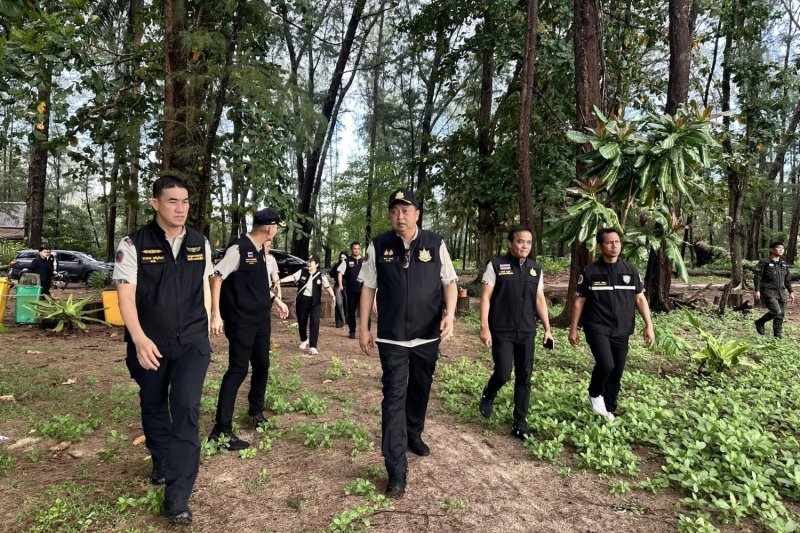
The pier proposal was raised during an inspection visit to the park by Natural Resources and Environment Minister Suchart Chomklin on Sunday.
Mr Suchart reviewed development plans for Sirinat National Park to support eco-tourism and encourage community participation through tourism initiatives that meet safety and environmental standards.
The local fish market and the proposed site for a floating pier are being considered as part of plans to transform the park into a transport and tourism hub for the Andaman coast, the minister said.
It was also hoped the pier would help alleviate Phuket’s chronic road congestion, offering an alternative sea route to coastal destinations.
Mr Suchart said Sirinat National Park had significant tourism development potential.
However, visitors travelling between Patong Beach and Phuket International Airport were often stuck in heavy traffic that stretched the journey out to one or even two hours.
A floating pier at Sirinat National Park could provide a faster alternative route, by sea, reduce pressure on the island’s road network and enable visitors to enjoy Phuket’s scenic west coast during their journey.
Asked about ongoing land encroachment cases within the park, the minister said authorities had already reclaimed several illegally occupied blocks of land and legal proceedings were underway.
He acknowledge that some land buyers may have been misled by invalid land title documents, but stressed that all parties must be subject to the same laws.
“We live in Thailand and must respect Thai law. Ultimately, those who encroach on forests, beaches, or coastal areas will be left with nothing, because these are national assets," Mr Suchart said. "It is the Ministry’s duty to reclaim them, restore order, and return them to the people so they can be used sustainably for generations to come.”