Get all your news in one place.
100's of premium titles.
One app.
Start reading
The Economic Times
The Economic Times
Trending Desk

Flash flood in J&K Reasi: What is flash flooding and why is it so dangerous?

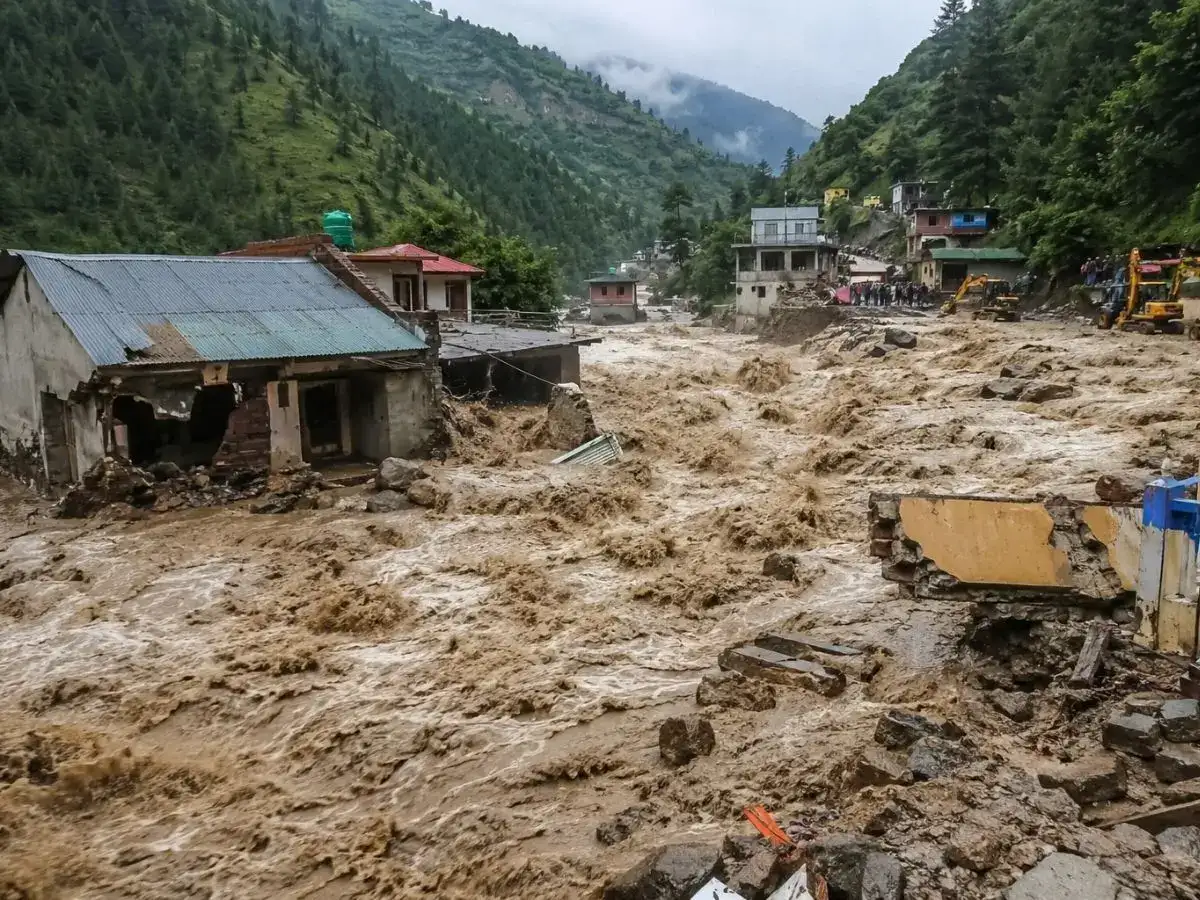
A cloudburst in Jammu and Kashmir's Reasi district triggered flash floods late Thursday, damaging several houses and disrupting normal life in the hilly Bathoi area. While no casualties were reported, the incident has once again highlighted the growing threat of flash flooding in mountainous regions. Authorities also ordered the closure of most schools in neighbouring Kishtwar district on Friday due to adverse weather conditions, continuous rainfall, and safety concerns.

The latest incident comes amid a series of extreme weather events in Jammu region, where five cloudbursts have been reported in the past three days across Reasi, Doda, Kishtwar, and Poonch districts.

Reasi cloudburst triggers sudden flooding

According to officials, the cloudburst struck Bathoi village in the Mahore subdivision, unleashing a rapid flow of water, mud, and debris into residential areas. Several homes were inundated, causing damage to household belongings and creating panic among residents.

Rescue and relief teams were deployed immediately, while restoration work continued through the day. Traffic near Jamlan bridge was temporarily suspended after heavy rainwater and debris increased water levels in the area.

Jammu and Kashmir Lieutenant Governor Manoj Sinha said he had spoken to district authorities to assess the situation and directed officials to provide immediate assistance to affected families.

What is a flash flood?

A flash flood is a sudden and rapid rise of water levels that develops within minutes or a few hours of intense rainfall, a cloudburst, dam failure, or the sudden release of water upstream.

Unlike regular floods, which may take days to build up, flash floods occur with little warning. Water rushes through valleys, streams, roads, and settlements at high speed, often carrying rocks, mud, trees, and debris.

Mountainous and hilly regions are particularly vulnerable because rainwater quickly flows downhill instead of being absorbed into the ground.

How does a cloudburst cause flash flooding?

A cloudburst is an extremely intense spell of rainfall concentrated over a small area within a short period. When a massive volume of rain falls in a limited region, local drainage systems, streams, and rivers become overwhelmed.

The excess water rapidly accumulates and flows downhill, creating sudden torrents that can flood villages, damage roads, sweep away vehicles, and destroy infrastructure.

In areas like Jammu and Kashmir, Himachal Pradesh, and Uttarakhand, steep terrain often magnifies the impact of cloudburst-induced flash floods.

Why are flash floods so risky?

Flash floods are considered among the most dangerous weather-related disasters because of their speed and unpredictability.

Some of the major risks include:

  • Very little warning time for residents
  • Fast-moving water capable of sweeping away people and vehicles
  • Landslides and mudslides triggered by heavy rainfall
  • Damage to homes, roads, bridges, and power infrastructure
  • Isolation of remote villages due to blocked roads
  • Increased risk of injuries from debris carried by floodwaters

Even water that appears shallow can have enough force to knock a person off their feet or move a vehicle.

What precautions should people take during flash flood?

During periods of heavy rainfall or cloudburst warnings, authorities advise residents to:

  • Avoid crossing flooded roads, bridges, and streams
  • Stay away from riverbanks and low-lying areas
  • Follow weather alerts and local administration advisories
  • Move to higher ground if water levels begin rising rapidly
  • Keep emergency supplies, mobile phones, and important documents ready
  • Report emergencies immediately to local authorities

Schools closed in Kishtwar due to flash flood

Amid continuing rainfall and concerns over slippery roads and falling stones, authorities ordered the closure of most government and private schools in Kishtwar district on June 5. Schools located within the Kishtwar city area were exempted from the order.

Officials have urged residents across vulnerable areas of Jammu region to remain alert as weather conditions continue to pose challenges. While the situation in Reasi is currently under control, the recent series of cloudbursts serves as a reminder of how quickly extreme weather events can escalate into dangerous flash floods.

(Inputs from agencies)

Sign up to read this article
Read news from 100's of titles, curated specifically for you.
Already a member? Sign in here
Related Stories
Top stories on inkl right now
One subscription that gives you access to news from hundreds of sites
Already a member? Sign in here
Our Picks
Fourteen days free
Download the app
One app. One membership.
100+ trusted global sources.