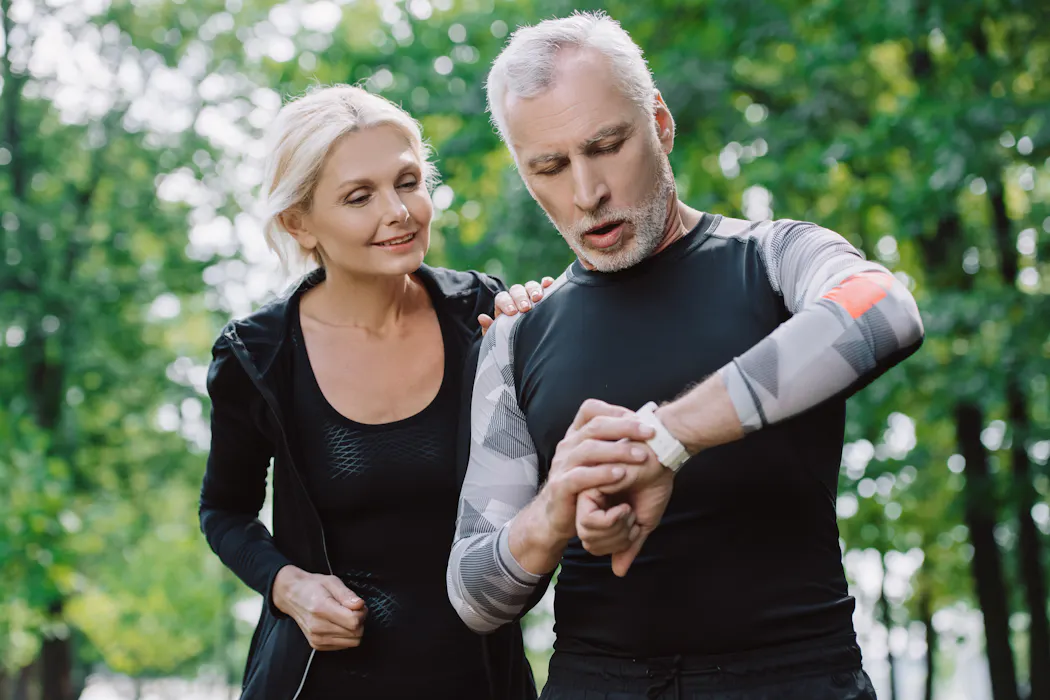
Many people in the UK now use apps, smartwatches or wearable devices to track their physical activity. Fitness trackers promise to help users become fitter, happier and healthier versions of themselves. For many people, they can be useful: a nudge to move more, a way to notice patterns, or a reminder that activity does not have to happen in a gym.
But self-tracking devices do more than record behaviour. Through prompts, defaults, streaks, badges and automated feedback, they also shape it. There is good evidence that tracking can help some people become more active. But there are also growing reports of anxiety, shame and disordered eating among people who track closely.