- Google appears to be building a screenless Fitbit-style tracker
- The reveal came as Google's 'performance advisor' Steph Curry posted on Instagram
- The tease video featured Curry wearing a screenless wristband
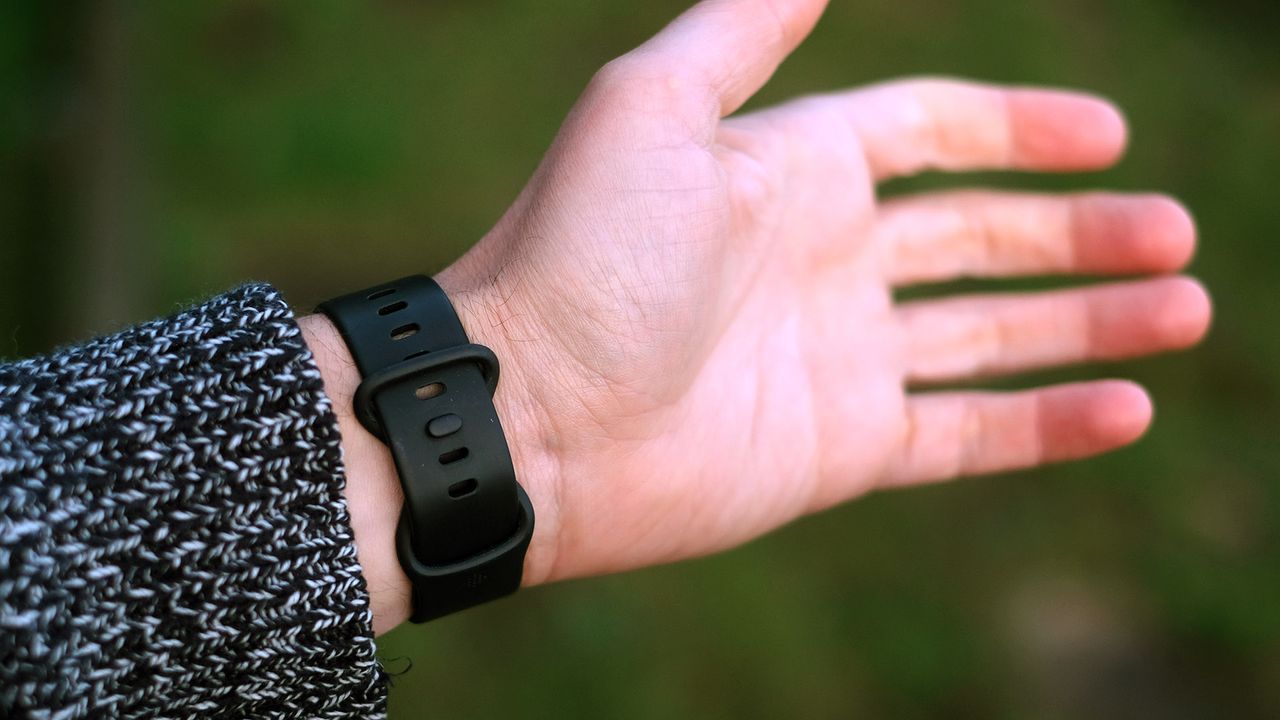
Google is jumping on the same trend as Polar and Amazfit in making what we're referring to as a 'Whoop clone': a screenless fitness tracker.

A screenless Fitbit (perhaps a version of one of Google's best Fitbits without the AMOLED screen) has been raised before, but we finally have proof beyond sketchy leaks. The band appears in an official Google tease video featuring all the usual Google iconography, posted by Google's very own 'performance advisor' — basketball legend Steph Curry, in a paid partnership capacity. So it's legit.
Curry can be seen wearing the band, with his voiceover stating, "I'm excited about what this is going to mean for the world, for health and wellness. It's the first of its kind in a way. I won't spoil it, you kinda have to see it for yourself."
The video doesn't address the band directly, but you can see him wearing an orange wristband with a metal clasp, very prominently, in the footage. No release date or other information is given other than 'coming soon'.
If Google's already releasing official videos about the device, 'soon' presumably means 'later this month' rather than a date later in the summer, the timeframe when Google typically shows off new Pixel devices.
Watch the video below:
Analysis: The latest Whoop clone
Google's new Fitbit (if it is indeed a Fitbit, rather than a Pixel Band or something) is entering the screenless wearable category in good company. Once dominated by the premium subscription-oriented Whoop, screenless tracking has grown to include the Polar Loop and Amazfit Helio Strap.
Even Garmin is throwing its hat in the ring with the long-rumored Garmin Cirqa band. Never mind the screenless options in the best smart rings from the likes of Oura and Samsung.
It's safe to say these 'focus' wearables are having a real moment. Whoop just raised a titanic amount in investor funding, as the company is now worth $10 billion according to TechCrunch.