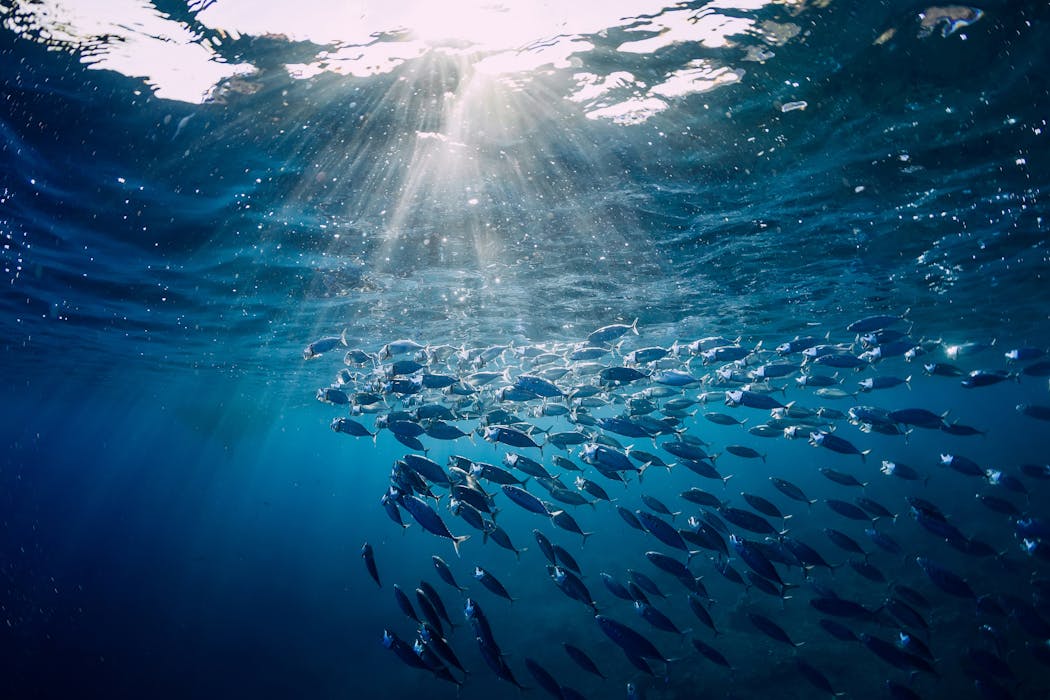
Many fish appear to hang effortlessly in the water while they wait for prey, defend a nest or pause between bursts of activity. But our research shows that this quiet stillness is anything but effortless. Hovering, the behaviour that allows a fish to remain suspended in one place, is far more energetically demanding than scientists once believed.
In a comparative study of 13 near neutrally buoyant species, we found that metabolic rates during hovering were almost twice as high as during rest (when the fish supports its weight with the bottom of the tank). In some cases, they were even greater. These findings challenge the long standing assumption that fish can remain motionless in the water column at little physiological cost.