
Since US President Donald Trump began his second administration, there has been a noticeable shift in the White House’s diplomatic posture. World leaders have made the now familiar walk into the Oval Office for meetings that often turned heated. Ukraine’s Volodymyr Zelenskyy was publicly berated. South African President Cyril Ramaphosa clashed with Trump in front of cameras. The message was clear: Washington remained the centre of global power, and foreign leaders were expected to come to America to make their case.
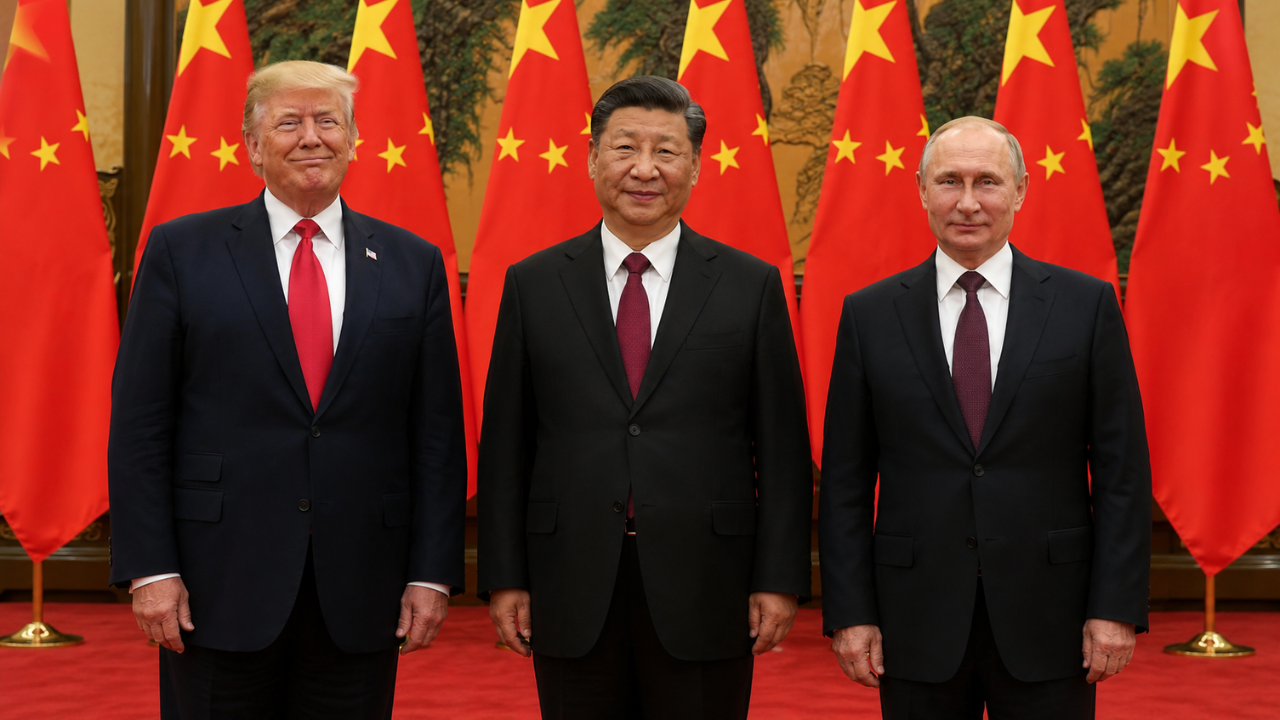
For decades, the world’s most important diplomatic conversations happened in Washington. Leaders travelled to the White House to negotiate wars, settle trade disputes, seek military backing or simply prove that they mattered. This week, however, that centre of gravity appeared to shift. Within days of each other, both Donald Trump and Vladimir Putin travelled to Beijing for meetings with Xi Jinping. Both came to Beijing carrying political pressures at home and conflicts abroad.












