Get all your news in one place.
100's of premium titles.
One app.
Start reading
The Economic Times
The Economic Times

Finance company sent recovery agents at midnight to seize vehicle, sells without giving notice; Supreme Court orders Cholamandalam Finance to pay Rs 15 lakh

A truck owner in Uttar Pradesh whose vehicle was allegedly taken away in the middle of the night by unidentified men, without any notice from the finance company, has won his case in the top court. It found that Cholamandalam Investment and Finance Company had broken its own loan agreement and Reserve Bank of India rules when it repossessed and sold the truck.

An earlier order of the Allahabad High Court, which had dismissed his plea for approaching the court too late, was set aside. A bench instead ruled in his favour, directing the company to refund the sale amount with interest, close his loan accounts and pay him a total of Rs 15 lakh in compensation and costs.

READ ALSO: Train reached destination 9 hrs late; passenger gets Rs 35,000 from Railways without proving financial loss

What happened with the truck loan

The truck owner had taken a commercial vehicle loan in March 2019 for his Tata truck, to be repaid in 75 monthly instalments and secured against the vehicle. A supplementary loan was taken in 2021. When payments fell behind, the company repossessed the truck once, and released it after a part payment and a promise to clear the dues.

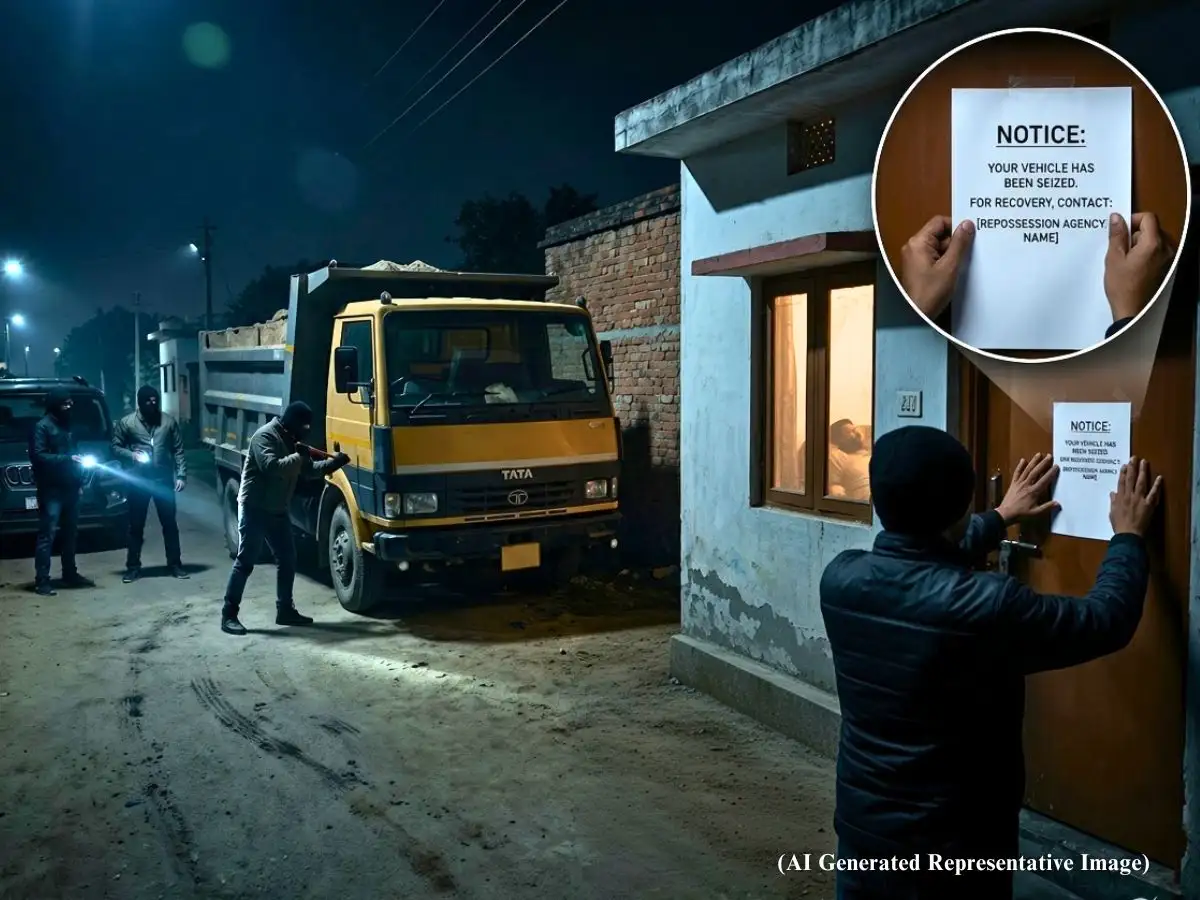
Default happened again. His case was that on April 9, 2023, while the truck was parked at a godown after a delivery and under CCTV watch, four unidentified men broke the steering lock at around 1 am and drove it away. A police complaint was filed the same day. Months later, a legal notice arrived saying the company had already sold the truck in August 2023 for Rs 4.5 lakh, and that a balance was still owed after the sale amount was adjusted against the dues.

Traffic challans kept arriving for the truck well into 2024 and 2025, long after the company claimed to have sold it off.

Why the delay finding did not hold up

The high court had dismissed the writ petition mainly on the ground that the truck owner had approached the court too late, after the truck had already been sold. This reasoning did not hold up on appeal. A police report had been lodged on the very day the truck disappeared, and a criminal complaint seeking action had also been filed. The continuing traffic challans for a vehicle the company said it no longer possessed needed an explanation that was never given, and the high court should have looked into the merits instead of throwing the case out on delay alone.

Why the repossession clause was found unfair

The loan agreement required seven days notice before the vehicle could be taken back. No such notice was ever issued. The clause also let the company waive this notice entirely at its own discretion, which turned what should have been a real protection for the borrower into something meaningless, the order noted.

Reference was made to an earlier ruling, ICICI Bank Ltd versus Prakash Kaur, where finance companies were held to be barred from using force or hiring "goondas" to seize vehicles, since recovery has to happen through lawful means. Two decades of RBI guidelines meant to stop lenders from harassing borrowers or using muscle power for recovery were also examined, and the loan company's own contract clause did not match up to them.

The truck was taken by breaking a steering lock at night, with no signed possession document, a method the order said carried every sign of the forceful recovery practices already warned against earlier.

READ ALSO: 4 kg onion bought at Rs 9 per kg weighed 400g less; Reliance Smart Bazaar, Reliance Retail ordered to pay Rs 20,000

What was ordered

The sale of the truck itself was not disturbed since it had already taken place. But depriving the borrower of his livelihood in an unfair and arbitrary manner was held to violate his constitutional rights. Cholamandalam was directed to close both loan accounts, refund the Rs 4.5 lakh sale amount with 6 per cent interest from the date of sale, and pay Rs 10 lakh as compensation for mental agony and loss of livelihood. The company was also ordered to pay Rs 50,000 as costs.

The Reserve Bank of India was additionally directed to ensure its guidelines against forceful loan recovery, which have largely existed only on paper, are actually followed by banks and finance companies going forward.

Sign up to read this article
Read news from 100's of titles, curated specifically for you.
Already a member? Sign in here
Related Stories
Top stories on inkl right now
One subscription that gives you access to news from hundreds of sites
Already a member? Sign in here
Our Picks
Fourteen days free
Download the app
One app. One membership.
100+ trusted global sources.