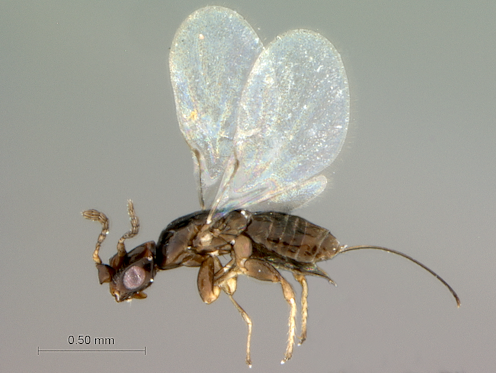
In his 1859 book, On the Origin of Species, British naturalist Charles Darwin put forward his theory of natural selection. This, he argued, was the mechanism of biological evolution: like an animal or plant breeder selects for certain characteristics, individuals with better survival ability leave more offspring. In this way nature favours traits that increase the survival of organisms. These traits are called adaptations. For instance the internal structure of an eye, comprising a lens and a light-sensitive retina, leaves little doubt that the organ is an adaptation for vision. When viewed from outside science, adaptations appear to have been designed.
However, animals and plants often have characteristics perceived as advantageous, but for which there is no evidence of evolutionary adaptation. The red colour of blood has some advantages – it allows humans to rapidly notice and react to injuries – but there’s no evidence that the colour is an adaptation or has been designed. Rather it is the fortuitous biochemical consequence of an iron molecule bound to each haemoglobin molecule in the blood.